

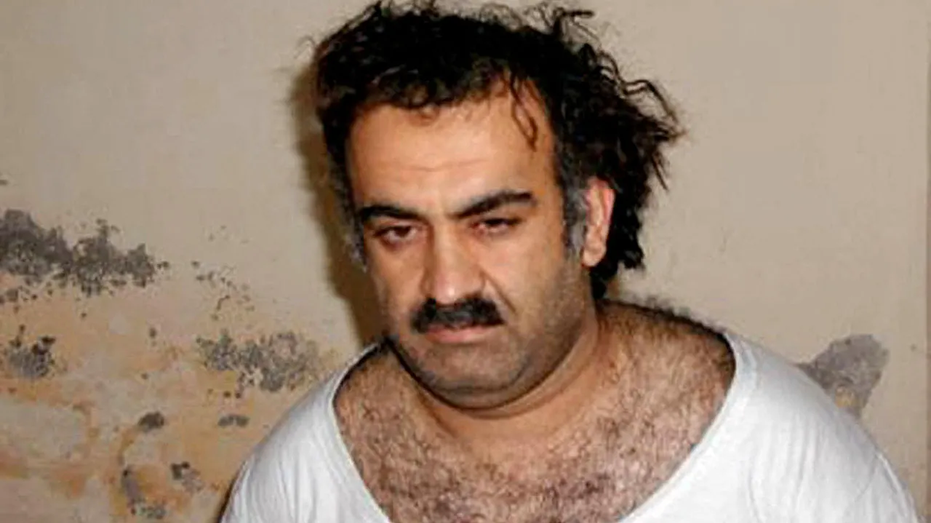

Khalid Sheikh Mohammed and three alleged co-conspirators will stand trial at Guantánamo Bay beginning June 5, 2028, under a military judge’s scheduling order issued Wednesday. Lt. Col. Michael Schrama rejected prosecutors’ request to start the proceedings in January 2027, finding that the earlier date did not allow enough time to resolve outstanding pretrial issues. The defendants have been held at Guantánamo since 2003 in the case arising from the Sept. 11, 2001, attacks, which killed nearly 3,000 people. The new timetable follows years of disputes over evidence, procedure and proposed plea agreements.
The order establishes milestones for jury selection, opening statements, evidence and later stages of the military commission trial. It also leaves existing deadlines for ongoing pretrial litigation in effect.
| 1) | Trial Date and Scheduling |
| 2) | Pretrial Evidence Disputes |
| 3) | Planned Trial Procedures |
| 4) | Plea Agreements and Appeals |
| 5) | Case Background and Significance |
Trial Date and Scheduling
The military commission will begin jury selection on June 5, 2028, at Guantánamo Bay. The process will include assembling commission members, considering challenges and formally empaneling them. Prosecutors had sought a Jan. 11, 2027, start, but Michael Schrama concluded that date was not realistic given the remaining litigation.
The scheduling order is intended to provide an overall framework for the case while preserving deadlines already governing pretrial proceedings. The judge described the order as a structure that depends on the successful completion of earlier requirements involving evidence and compliance matters.
“A realistic trial date must account for the hearing and resolution of pretrial evidentiary and compliance motions, including the FBI LHM suppression motions,” Schrama wrote.
Pretrial Evidence Disputes
The central reason for the delay is the volume of unresolved legal work before a trial on the merits can begin. The commission must address motions concerning evidence, procedural compliance and the proposed suppression of FBI law enforcement memoranda. Those disputes could affect what information prosecutors may present to the commission.
The order does not eliminate the existing schedule for this litigation. Instead, it sets later milestones on the assumption that the pending hearings and rulings will be completed. The approach reflects the commission’s need to resolve admissibility and compliance questions before presenting evidence to the jury members.
Planned Trial Procedures
Opening statements are scheduled to begin 30 days after the commission members are empaneled. The defendants may defer their opening statements until prosecutors have completed their case. Prosecutors will begin presenting evidence after opening statements conclude.
After the prosecution rests, the defendants will have 14 days to request a finding of not guilty under the Rules for Military Commissions. Prosecutors will have 14 days to respond, and the defendants will receive seven additional days to reply. If prosecutors seek to reopen their case to address an alleged deficiency, the order allows 45 days after the initial presentation of evidence concludes.
The defense case is scheduled to begin 60 days after the prosecution completes its case-in-chief. The order also establishes procedures for rebuttal and surrebuttal evidence, further motions for findings of not guilty and closing arguments. Absent good cause, the commission will not grant extensions for those motions or for rebuttal and surrebuttal presentations.
Plea Agreements and Appeals
The trial schedule follows a failed effort to resolve the case through plea agreements. Those agreements would have allowed Khalid Sheikh Mohammed and two co-defendants to plead guilty in exchange for life sentences without parole, potentially removing the death penalty from consideration.
In 2025, a divided federal appeals court in Washington, D.C., ruled that then-Defense Secretary Lloyd Austin had authority to withdraw from the agreements. The majority, written by Judges Patricia Millett and Neomi Rao, said Austin acted within his legal authority when he determined that families and the public should have the opportunity to see military commission trials proceed.
Case Background and Significance
Khalid Sheikh Mohammed, a Pakistani national, is accused of spearheading the plot behind the Sept. 11 attacks. Hijackers seized commercial aircraft and crashed them into the World Trade Center and the Pentagon. A fourth hijacked plane, United Airlines Flight 93, crashed in Pennsylvania.
Mohammed and the three other defendants have been held at Guantánamo since 2003. The case has remained in pretrial proceedings for years as the military commission addressed evidence, legal authority and other procedural disputes. The June 2028 date now provides a timetable for moving the prosecution toward a trial, although additional litigation remains before testimony and evidence can begin.
| Number | Key Point |
|---|---|
| 1 | The trial is scheduled to begin June 5, 2028, at Guantánamo Bay. |
| 2 | The judge rejected an earlier January 2027 start because pretrial matters remain unresolved. |
| 3 | The schedule sets deadlines for jury selection, evidence, defense motions and closing arguments. |
| 4 | The date follows litigation over plea agreements that could have resulted in life sentences without parole. |
Summary
The 2028 trial date gives the long-delayed military commission case a formal path toward proceedings on the merits. Before then, the commission must resolve significant evidentiary and procedural disputes, including motions involving FBI memoranda. The schedule also sets a detailed sequence for jury selection, presentation of evidence and post-trial motions, while leaving open the possibility of further legal disputes.
Frequently Asked Questions
When is the trial scheduled to begin?
Jury selection is scheduled to begin June 5, 2028, at the Guantánamo Bay military commission.
Why was the earlier trial date rejected?
Judge Michael Schrama ruled that the proposed January 2027 date did not provide enough time to hear and resolve outstanding pretrial evidentiary and compliance motions.
What happens after jury selection?
Opening statements are scheduled to begin 30 days after the commission members are empaneled. Prosecutors will then present their evidence, followed by defense evidence and later motions, rebuttal presentations and closing arguments.
