

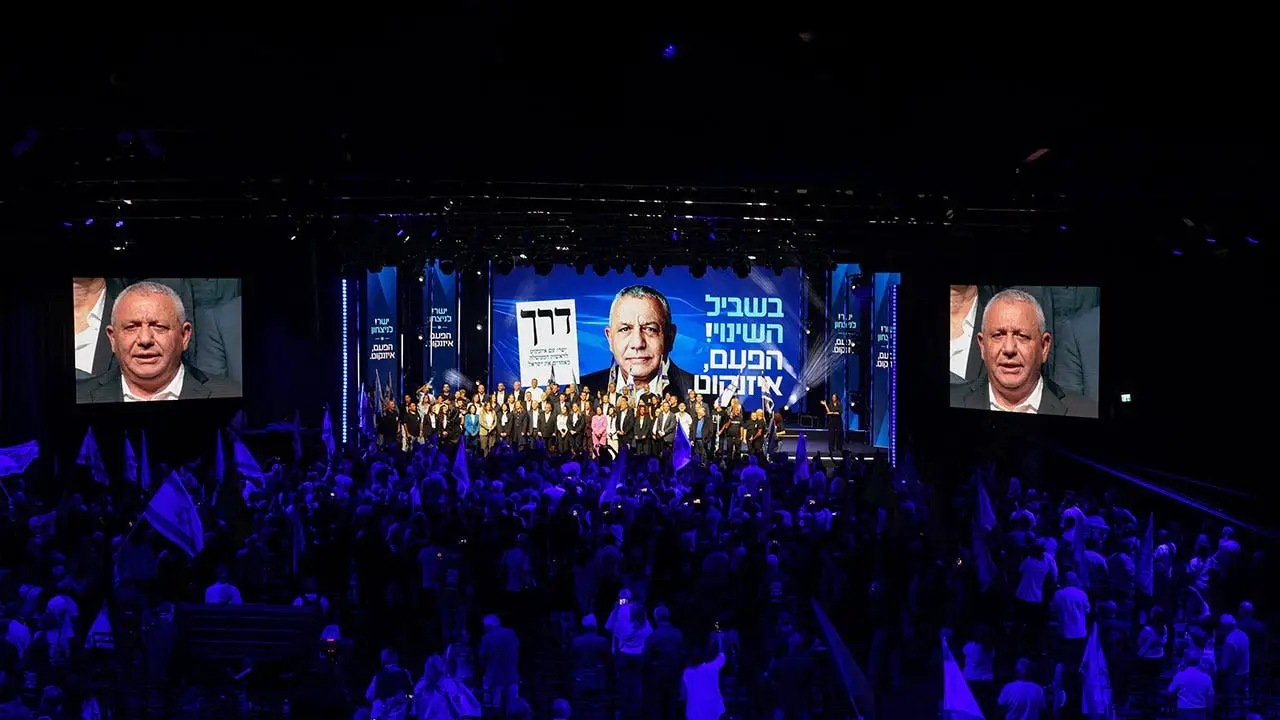

As Israel approaches a pivotal election on October 27, 2026, the nation finds itself in a state of heightened tension and uncertainty. The election comes in the wake of the devastating October 7th Hamas-led attack that left the country seeking answers and accountability from its leadership. With Prime Minister Benjamin Netanyahu facing intense scrutiny over his handling of the aftermath and questions about his future in office, the electorate is divided, making this vote not just a political contest but a referendum on security, governance, and national unity.
| Article Subheadings |
|---|
| 1) The Stakes of the Upcoming Election |
| 2) Political Landscape and Key Figures |
| 3) Voter Sentiment and Public Opinion |
| 4) Election Process and Logistics |
| 5) Implications of the Election Results |
The Stakes of the Upcoming Election
The October 27 election is being characterized as one of the most consequential in recent Israeli history. Following the traumatic fallout from the October 7 Hamas attacks, this election is perceived by many as a referendum on the current government’s effectiveness and accountability in safeguarding national security. Benjamin Netanyahu and his government face accusations of inadequately preparing and responding to the threat posed by Hamas, which many Israelis cite as a primary reason for their discontent.
In the lead-up to the election, public sentiment is fraught with emotion as families mourning the loss of loved ones question the competence of their leaders. Discontent has mobilized a significant portion of the electorate, many of whom are demanding accountability from Netanyahu and seeking leaders who present viable alternatives. As a result, traditional party boundaries appear increasingly irrelevant; many voters are aligning themselves according to their stance on this singular issue: national security.
Political Landscape and Key Figures
In Israel’s fragmented political environment, multiple factions vie for influence. Benjamin Netanyahu, leading the Likud party, aims for another term as prime minister, but faces fierce competition from opposition candidates. Notable among them is Gadi Eisenkot, a former chief of staff of the Israel Defense Forces, who leads the centrist Yashar party. Eisenkot’s focus on national security, driven by the pivotal events of the past year, positions him as a formidable challenger to Netanyahu’s longstanding political dominance.
Moreover, the coalition dynamics are compounded by the presence of former Prime Ministers Naftali Bennett and Yair Lapid, both of whom are attempting a political resurgence. Their joint efforts underscore a significant realignment in Israel’s political framework, aimed directly at posing a united front against Netanyahu.
Israel’s political backdrop is further complicated by the participation of Arab parties such as Ra’am and the Joint List, which hold significant sway over the electoral landscape. Their roles could be crucial in determining future coalition governments, which traditionally require a coalition to form a governing majority in the Knesset, Israel’s parliament.
Voter Sentiment and Public Opinion
The immediate aftermath of the October 7 attacks has profoundly influenced public sentiment. Many Israelis feel a mix of anger and grief directed towards their leadership—a sentiment echoed in the streets as protests have swelled against Netanyahu’s government. This collective feeling of betrayal over perceived lapses in security has driven voters away from the incumbent government and encouraged them to seek change.
Families affected by the tragedy have become vocal critics of Netanyahu’s leadership, urging fellow citizens not to support a continuation of what they view as failed governance. Messages from bereaved families, including poignant pleas during memorials, highlight the personal stakes intertwined with national politics, creating a charged atmosphere where emotional narratives dominate discussions.
Conversations in homes and public forums are often polarized, focused on a single question of alignment: support for or against Netanyahu? This dilemma sharpens voter resolve, making personal experiences of loss a driving force for electoral participation.
Election Process and Logistics
The Israeli election process, which is set for October 27, will see polling stations opening at 7 a.m. and closing at 10 p.m. local time. This national holiday aims to facilitate voter turnout, with all eligible Israeli citizens aged 18 and older entitled to cast their votes. Polling locations may vary, particularly for smaller communities, but the emphasis remains on accessibility for the electorate.
In Israel’s parliamentary system, voters are tasked with selecting political parties instead of individual candidates. This year’s election will involve the distribution of 120 parliamentary seats based on the proportional representation system. Each party presents a prioritized list of candidates, and only those parties that surpass a threshold of 3.25% of the total votes will gain representation in parliament.
Ballot counting will commence immediately after the polls close, with preliminary results expected to emerge shortly thereafter. However, with recent trends indicating a lack of clear majorities, the final composition of the Knesset could remain unclear for some time, leading to extended coalition negotiations.
Implications of the Election Results
The eventual outcomes of the upcoming elections may carry significant implications not solely for the party leaders but for the future trajectory of Israel itself. The election will not only dictate individual political futures but set the stage for major policy decisions regarding national security, relations with neighboring states, and military strategies, especially in the wake of the Hamas attacks.
The reelection of Netanyahu could lead to a continuation of hardline security policies, while a victory for the opposition could usher in changes in strategy and a reassessment of diplomatic relations, particularly with the United States and within the broader Middle East context.
Moreover, the potential for disputes regarding election legitimacy raises concerns about civil unrest. Israeli police are currently preparing for various scenarios post-elections, reflecting the heightened anxiety surrounding the electoral process itself and what the outcomes could yield.
| No. | Key Points |
|---|---|
| 1 | The upcoming election on October 27, 2026, holds crucial importance following the October 7 Hamas attacks. |
| 2 | Prime Minister Benjamin Netanyahu faces intense scrutiny and calls for accountability in response to security failures. |
| 3 | Former military chief Gadi Eisenkot poses a strong challenge as a leader of the centrist Yashar party. |
| 4 | Public sentiment is polarized, with families mourning losses urging significant changes in governance. |
| 5 | The election process involves a proportional representation system with significant implications for coalition formations. |
Summary
The upcoming Israeli election carries profound implications for the nation’s future, deeply rooted in the collective trauma stemming from the October 7 attacks. As the country stands divided, the stakes extend far beyond the fate of its leaders; they encompass national security, geopolitical relations, and the very fabric of Israeli society. Whether Netanyahu will retain his grip on power or whether a new coalition will emerge remains uncertain, yet the echoes of loss and the demands for accountability underscore the historic significance of this moment in Israeli politics.
Frequently Asked Questions
Question: Why is the October 27 election considered critical for Israel?
The election is seen as a referendum on the current government’s handling of national security and accountability, especially following the devastating October 7 Hamas-led attacks.
Question: What role do bereaved families play in this election?
Bereaved families are vocally critical of Benjamin Netanyahu‘s leadership, urging voters to seek change and emphasizing personal narratives tied to the broader political landscape.
Question: How does Israel’s electoral process work?
Voters select political parties rather than individual candidates in a proportional representation system where parties must surpass a 3.25% vote threshold to gain seats in the Knesset.
