

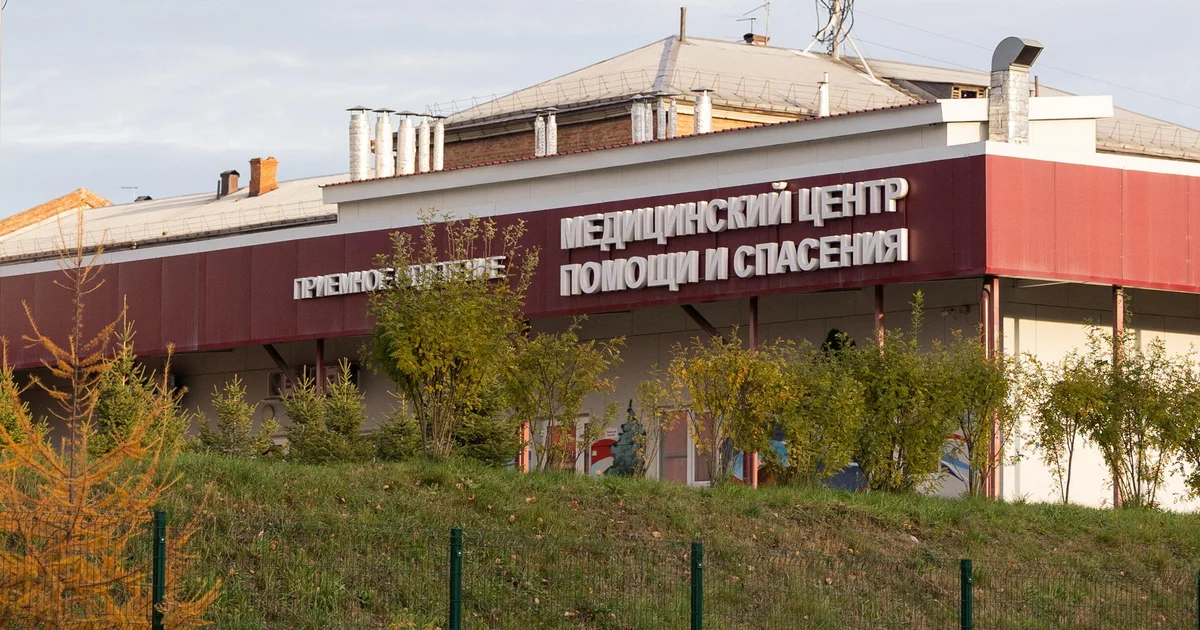

In a recent statement, U.S. Secretary of State Marco Rubio urged Russia to provide more clarity regarding the death of a scientist at a plague research center following conflicting reports. The scientist, identified as Darya Shipilova, passed away under circumstances that have raised concerns about a potential infection. The World Health Organization (WHO) has categorized the public health risk following the incident as low, while Russian authorities continue to investigate the circumstances surrounding her death.
| Article Subheadings |
|---|
| 1) U.S. Calls for Transparency |
| 2) WHO’s Risk Assessment |
| 3) Investigation into the Incident |
| 4) Reactions from Russian Authorities |
| 5) Implications for Global Health Safety |
U.S. Calls for Transparency
During his visit to Reykjavik, Iceland, Secretary of State Marco Rubio expressed his concerns regarding Russia’s handling of information surrounding the death of Darya Shipilova, a scientist at the Irkutsk Anti-Plague Institute. Rubio emphasized the need for transparency from Russian officials, stating, “I think it’s incumbent upon Russia to obviously share more information with the world.” His remarks come in the wake of conflicting reports about the circumstances leading to Shipilova’s death, including suggestions that she had died from the plague. The inconsistency in information has heightened fears about public health implications amid an ongoing investigation.
WHO’s Risk Assessment
The World Health Organization (WHO) has conducted a risk assessment in response to the incident and categorized the health risk as low for the European region, including Russia. Christian Lindmeier, a spokesperson for the WHO, explained that the initial assessment estimates the risk to be moderate to low in Irkutsk and low for the broader Russian Federation. This assessment has offered some assurance that despite the alarming circumstances of Shipilova’s death, there is currently no immediate danger to the public. Lindmeier stated, “WHO is following the situation closely, working with headquarters to keep other countries informed,” underlining the collaborative effort to monitor the situation as it develops.
Investigation into the Incident
Following her death, Russian health officials have launched an investigation to determine the exact cause of Shipilova’s illness and subsequent death. Reports indicate that Shipilova’s symptoms initially mirrored those of a respiratory viral infection before deteriorating. Authorities have asserted that all individuals who were in close contact with her have been identified and monitored, with no signs of illness reported among them. Russian health authorities confirmed that Shipilova did not receive a diagnosis of plague, stating she passed away from “pneumonia of unknown etiology,” indicating a lack of clarity regarding the specific pathogens involved in her case. This continued investigation is critical in ensuring that any potential threats to public health are addressed swiftly and effectively.
Reactions from Russian Authorities
In the wake of the reports about Shipilova’s death, Russia’s national health agency, Rospotrebnadzor, has attempted to downplay the severity of the situation. Initial reports from local officials suggested that she may have died due to a laboratory accident involving the plague, which prompted significant public concern. However, these reports were quickly retracted, and Rospotrebnadzor clarified that an analysis of clinical samples revealed no evidence of the pathogens she worked with. Officials have reassured the public that the situation is under control, stating that close contacts of Shipilova were assessed and released without any sign of illness. This discrepancy between public perception and official statements can lead to confusion and stem a broader public health crisis.
Implications for Global Health Safety
The incident involving Darya Shipilova raises pertinent questions regarding global health safety and the protocols in place for managing potential outbreaks of dangerous diseases. As officials from both Russia and the international community continue to investigate the matter, the emphasis on transparency and information sharing is more crucial than ever. The rapid dissemination of information can significantly influence public health responses, especially in an age where misinformation can spread as swiftly as disease. Analysts are closely watching the developments in Russia, as any recommendations or findings could affect public health policies and laboratory safety protocols worldwide.
| No. | Key Points |
|---|---|
| 1 | Secretary of State Marco Rubio calls for transparency from Russia regarding the death of scientist Darya Shipilova. |
| 2 | WHO assessed the public health risk as low, stating no immediate threats have been identified. |
| 3 | Investigations into Shipilova’s illness are ongoing, with officials monitoring those who had close contact. |
| 4 | Russian authorities attempt to mitigate public concern by clarifying the nature of Shipilova’s illness and death. |
| 5 | The incident raises broader concerns regarding global health protocols and the handling of potential infectious agents. |
Summary
The situation surrounding the death of Darya Shipilova highlights a complex interplay of health risks, public communication, and international cooperation. As health officials continue to monitor and investigate the case, the call for transparency from U.S. officials emphasizes the necessity of collaborative efforts in managing global health threats. The outcomes of this incident may yield significant insights into laboratory safety, risk assessment, and the protocols needed to prevent similar events in the future.
Frequently Asked Questions
Question: What caused the death of Darya Shipilova?
The exact cause of Darya Shipilova‘s death remains unclear as ongoing investigations are looking into whether pneumonia or another illness may have played a role. The preliminary reports suggest that she did not contract the plague.
Question: What is the current public health risk associated with the incident?
According to the WHO, the public health risk is currently assessed as low for Europe and moderate to low specifically in Irkutsk, where the incident occurred.
Question: How is Russia responding to the concerns about the potential outbreak?
Russian health authorities, particularly Rospotrebnadzor, have assured the public that they are effectively monitoring those who had contact with Shipilova and have communicated that there is no immediate threat of plague transmission.
