

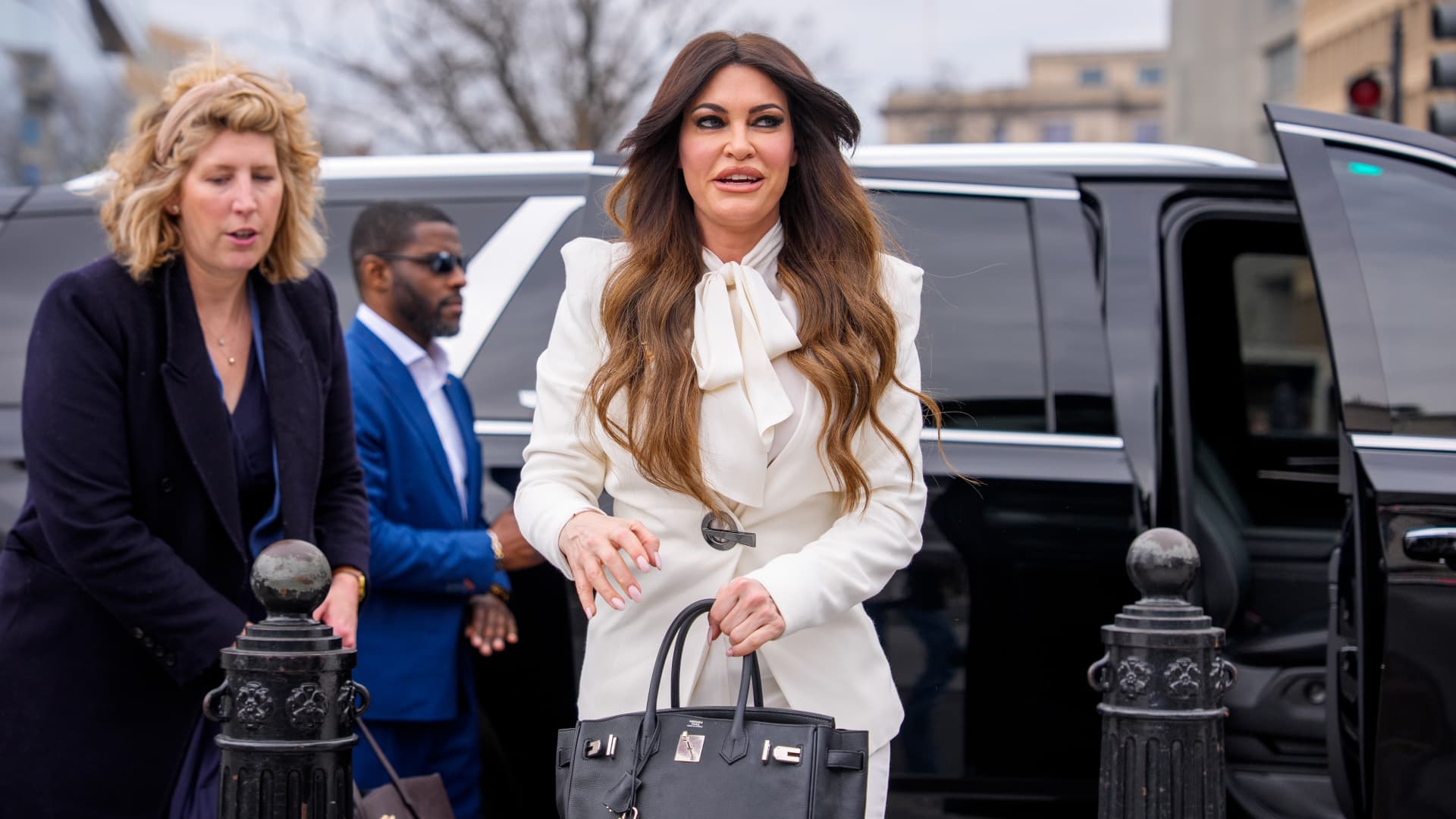

In a developing story from the political landscape, U.S. President Donald Trump has expressed dissatisfaction with Kimberly Guilfoyle, the U.S. Ambassador to Greece. During a recent press briefing at the White House, Trump stated that he is considering whether to dismiss Guilfoyle amid allegations raised in various media reports regarding her professional conduct. The commentary follows a series of critical articles detailing Guilfoyle’s activities since her appointment, raising questions about her dealings and interactions in the role.
| Article Subheadings |
|---|
| 1) President Trump’s Concerns |
| 2) Guilfoyle’s Background and Appointment |
| 3) Media Allegations and Guilfoyle’s Response |
| 4) Financial Investigations: The $100,000 Inquiry |
| 5) The Implications of Guilfoyle’s Actions |
President Trump’s Concerns
During a recent White House press conference, President Trump articulated his frustrations regarding Kimberly Guilfoyle, hinting at the possibility of her removal from her ambassadorial post. Trump’s comments came in light of critical coverage by the media, particularly an article from a leading financial journal that raised questions about Guilfoyle’s ethics while in office. When pressed by reporters about the potential dismissal, he indicated that the administration was “looking at” the situation, suggesting that ongoing scrutiny could impact her tenure.
This revelation emphasizes the precarious nature of political appointees in the current administration, especially amid controversies that can erode public trust in governmental positions. The President’s dissatisfaction, coupled with the media’s critical narrative, sets the stage for a potential reevaluation of Guilfoyle’s role as ambassador, a high-profile appointment with implications not only for her career but also for U.S.-Greece relations.
Guilfoyle’s Background and Appointment
Kimberly Guilfoyle’s trajectory to the role of U.S. Ambassador to Greece has been a topic of interest in both political and media circles. Previously a well-known media personality, Guilfoyle was engaged to Donald Trump Jr., providing her with visibility within conservative circles and the Trump family. Following their breakup, President Trump appointed her to the ambassadorship, which marked a significant shift from her former role in media to high-stakes diplomacy.
Guilfoyle’s appointment came amid a broader political strategy emphasizing loyalty and personal connections over traditional diplomatic qualifications. This strategy has raised questions about her suitability for the role, particularly in a region where U.S. diplomatic interests are closely tied to energy dependencies and complex international alliances. The ambassador’s performance has since been under close observation, with various stakeholders assessing her effectiveness in promoting U.S. interests abroad.
Media Allegations and Guilfoyle’s Response
The scrutiny surrounding Guilfoyle intensified following multiple articles published by a prominent financial outlet that outlined various allegations concerning her professional conduct. These articles detailed her efforts to encourage U.S. allies in Eastern Europe to procure significant amounts of American natural gas. However, the reporting raised concerns about her partnerships with private lobbyists, including one associated with a Greek construction firm, questioning the propriety of those associations.
In response to the allegations, Guilfoyle’s legal team has maintained that her actions are legitimate, asserting that any financial dealings or engagements were both ethical and in line with her duties as an ambassador. They refuted claims of impropriety, emphasizing that any payments solicited were for services rendered prior to her ambassadorship. This back-and-forth highlights a continued public relations effort to mitigate any damage to her reputation amid ongoing media investigations.
Financial Investigations: The $100,000 Inquiry
An additional layer of complexity emerged when reports surfaced detailing a financial inquiry involving Guilfoyle and a prominent Trump donor. Allegations surfaced that Guilfoyle had sought $100,000 from donor Eric Deters to cover what she represented as an American Express bill shortly before her Senate confirmation hearing. This situation has raised eyebrows, suggesting potential misuse of her position for personal financial gain, which is a serious allegation in the political arena.
Guilfoyle’s representatives quickly responded to the claims, asserting that the funds were payment for past services related to public speaking engagements she had conducted before her confirmation. This defense seeks to clarify the context behind the financial request, yet it remains uncertain whether it will quell concerns among lawmakers and the public.
The Implications of Guilfoyle’s Actions
The implications of Kimberly Guilfoyle’s actions extend well beyond her individual circumstances. Concerns regarding ethics, financial dealings, and her method of advocating for U.S. energy interests could have far-reaching effects on U.S.-Greece relations and the overall perception of the current administration’s approach to diplomacy. Whether Guilfoyle retains her position or faces dismissal will likely influence future appointments and highlight the administration’s commitment to ethical standards in international relations.
As the situation develops, it raises the broader query regarding how political appointees who are closely tied to influential figures navigate ethical challenges. The outcome of Guilfoyle’s tenure as ambassador will not only impact her career trajectory but could also signify a directional shift regarding how the government handles similar appointments in the future.
| No. | Key Points |
|---|---|
| 1 | President Trump is displeased with Ambassador Kimberly Guilfoyle, leading to discussions about her potential dismissal. |
| 2 | Guilfoyle’s appointment followed her high-profile relationship with Donald Trump Jr., raising questions over the nature of such political appointments. |
| 3 | Media allegations focus on Guilfoyle’s dealings with lobbyists and financial inquiries, suggesting possible impropriety. |
| 4 | A $100,000 financial inquiry involving a Trump donor has raised concerns about potential misuse of political influence. |
| 5 | The outcome of the situation could have implications for U.S.-Greece relations and standards for future political appointments. |
Summary
In conclusion, the circumstances surrounding Kimberly Guilfoyle highlight the intricate and often controversial nature of political appointments. As President Trump evaluates her position amid mounting scrutiny, the broader implications of her actions not only affect her role but also resonate within the landscape of international diplomacy and ethical governance. The outcome of this situation will likely set a precedent for how similar cases are handled in the future, thereby shaping the integrity of political practices within the administration.
Frequently Asked Questions
Question: What role does Kimberly Guilfoyle hold?
Kimberly Guilfoyle is the U.S. Ambassador to Greece, responsible for representing U.S. interests in that country.
Question: What are the allegations against Guilfoyle?
Allegations include conflicts of interest related to lobbying efforts and financial inquiries involving a Trump donor.
Question: What potential actions is President Trump considering regarding Guilfoyle?
President Trump has stated that he is contemplating whether to dismiss Guilfoyle from her position as ambassador due to dissatisfaction with her conduct.
