

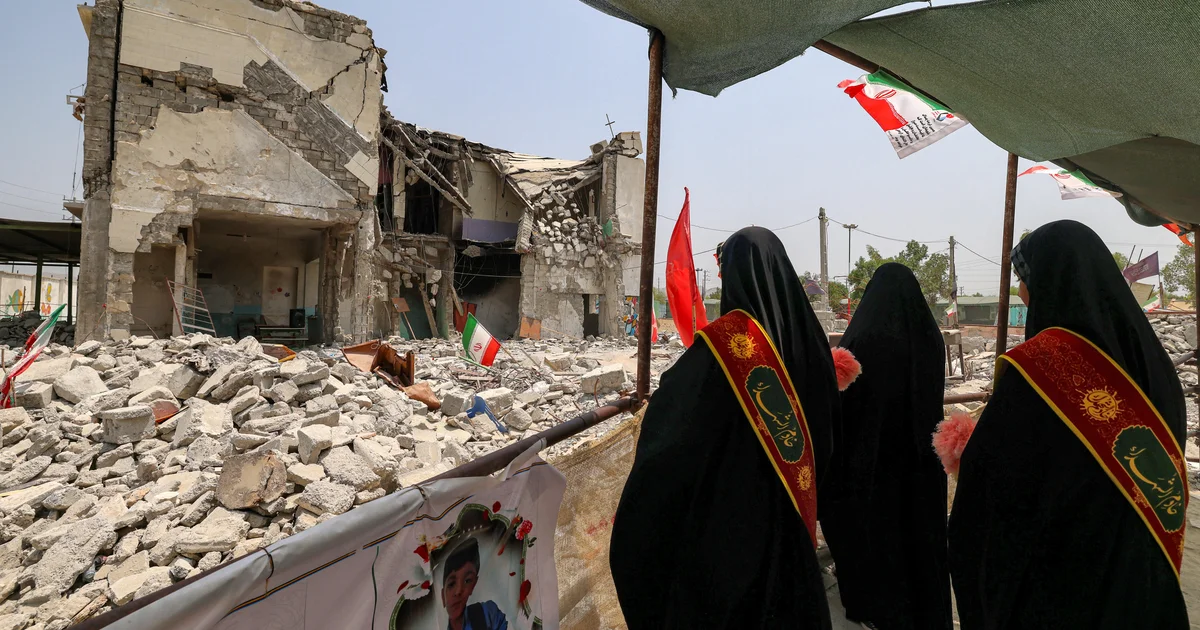

Recent findings by a U.N. expert panel indicate that the United States may have committed war crimes in airstrikes conducted in Iran in late February. The strikes reportedly resulted in the deaths of at least 178 civilians, including many children, raising serious questions about the use of military force in the region. The investigation highlights a distressing pattern of violence, including indiscriminate attacks that not only targeted civilians but also inflicted widespread damage.
| Article Subheadings |
|---|
| 1) Findings of War Crimes in Iran |
| 2) Details of the Airstrikes |
| 3) Reaction from U.S. Officials |
| 4) Broader Context of Military Conflict |
| 5) Implications for Human Rights |
Findings of War Crimes in Iran
A fact-finding mission commissioned by the United Nations has produced alarming findings regarding U.S. military actions in Iran. The commissioned experts have established “reasonable grounds” to believe that the United States has committed war crimes during two airstrikes that took place on February 28, 2026. Central to the investigation are the extensive civilian casualties resulting from these attacks, which have heightened scrutiny on U.S. military operations in the region.
The expert panel’s assessment indicates that the attacks not only resulted in the tragic loss of life but also potentially violated international laws governing armed conflict. Civilian protection is a cornerstone of these laws, and the reports of such casualties raise significant ethical and legal questions surrounding the military strategies employed by U.S. forces. This is especially pronounced considering that among the deceased are young children, which intensifies the moral implications of these military operations.
Details of the Airstrikes
The specific incidents under investigation involved airstrikes that killed at least 178 civilians in Iran, with a substantial number being women and children. Reports suggest that one of the strikes hit the Shajareh Tayyebeh primary school in the southern city of Minab, where the attack led to the deaths of many children. Iranian state media reported that a total of 168 fatalities were accounted for from this particular strike alone.
In addition to the Minab attack, another incident occurred in the city of Lamerd, where U.S. forces conducted a precise strike using missiles that dispersed tungsten pellets over a heavily populated residential area and a sports complex. Eyewitness accounts and subsequent investigations have corroborated the presence of identifiable civilian structures in the vicinity of these strikes, adding further weight to claims of indiscriminate targeting.
Reaction from U.S. Officials
As the controversy unfolds, there has been no immediate official response from the White House or the U.S. military concerning the assertions of war crimes. However, U.S. Central Command has been vocal in its denials regarding similar accusations made by Iranian officials in the past. Command representatives have reiterated that U.S. armed forces adhere strictly to directives that prohibit targeting civilians in military operations. They also maintain that Iranian military practices often contradict these standards, claiming that Iranian forces pose a more direct threat to civilian lives through their conduct.
In previous assessments, U.S. military sources suggested that the striking of civilian locations may have been unintentional, citing reliance on outdated intelligence that incorrectly identified civilian areas as active military sites. This narrative, however, has been met with skepticism by critics and human rights advocates who argue that the civilian death toll suggests otherwise.
Broader Context of Military Conflict
The airstrikes in Iran occur within a broader context of escalating military conflict in the region, particularly stemming from heightened tensions between the United States and Iran. These tensions have existed for years and have commonly resulted in military engagements, often leading to significant civilian casualties.
Since the onset of these recent strikes, there has been an increase in hostilities that raise critical concerns about the rules of engagement and the protection of civilian life. The international community watches closely, as these developments could have lasting implications for the already fragile geopolitical landscape. Moreover, the findings from the U.N. expert panel may elicit responses from other countries regarding their involvement or stance on military operations conducted by the U.S., further complicating international relations.
Implications for Human Rights
The findings from the U.N. panel spotlight a crucial human rights dilemma: the alignment of military operations with the ethical demand for the protection of civilians. The incidents reported have raised alarms among human rights organizations that advocate for strict adherence to international humanitarian law. Not only do the findings paint a concerning picture of military accountability in conflict zones, but they also encourage discussions on how militaries can avoid harming civilians.
As the investigation continues, it underlines the importance of transparency and accountability in military operations. Calls for an independent review of such military actions are growing louder, as advocates argue that genuine prevention of future civilian casualties relies on acknowledging and addressing past mistakes. The ramifications of these findings could push for policy changes concerning the rules of engagement during military actions moving forward.
| No. | Key Points |
|---|---|
| 1 | U.N. experts found ‘reasonable grounds’ for claims of U.S. war crimes in two strikes in Iran. |
| 2 | Airstrikes resulted in the deaths of at least 178 civilians, predominantly women and children. |
| 3 | The U.S. has denied targeting civilians, citing reliance on faulty intelligence. |
| 4 | The incidents are part of a larger pattern of military engagement between the U.S. and Iran. |
| 5 | These findings raise serious concerns regarding compliance with international humanitarian laws. |
Summary
The findings from the U.N. mission regarding potential war crimes perpetrated by the United States in Iran underscore a significant and urgent issue of civilian safety in conflict zones. With substantial evidence of civilian casualties, these allegations may prompt a re-examination of military strategies and greater accountability in international armed conflicts. The consequential discussions that arise from these findings could shape future military policies, international relations, and the broader approach to human rights within the context of warfare.
Frequently Asked Questions
Question: What led to the U.N. investigation into U.S. military actions in Iran?
The U.N. investigation was prompted by reports of significant civilian casualties resulting from airstrikes conducted by the U.S. military in Iran.
Question: How many civilians were reported killed in the U.S. airstrikes in Iran?
Reports indicate that at least 178 civilians, including many women and children, were killed in the strikes.
Question: What has been the response from U.S. officials regarding the allegations of war crimes?
U.S. officials have denied targeting civilians and attribute any civilian casualties to reliance on outdated intelligence regarding military locations.
