

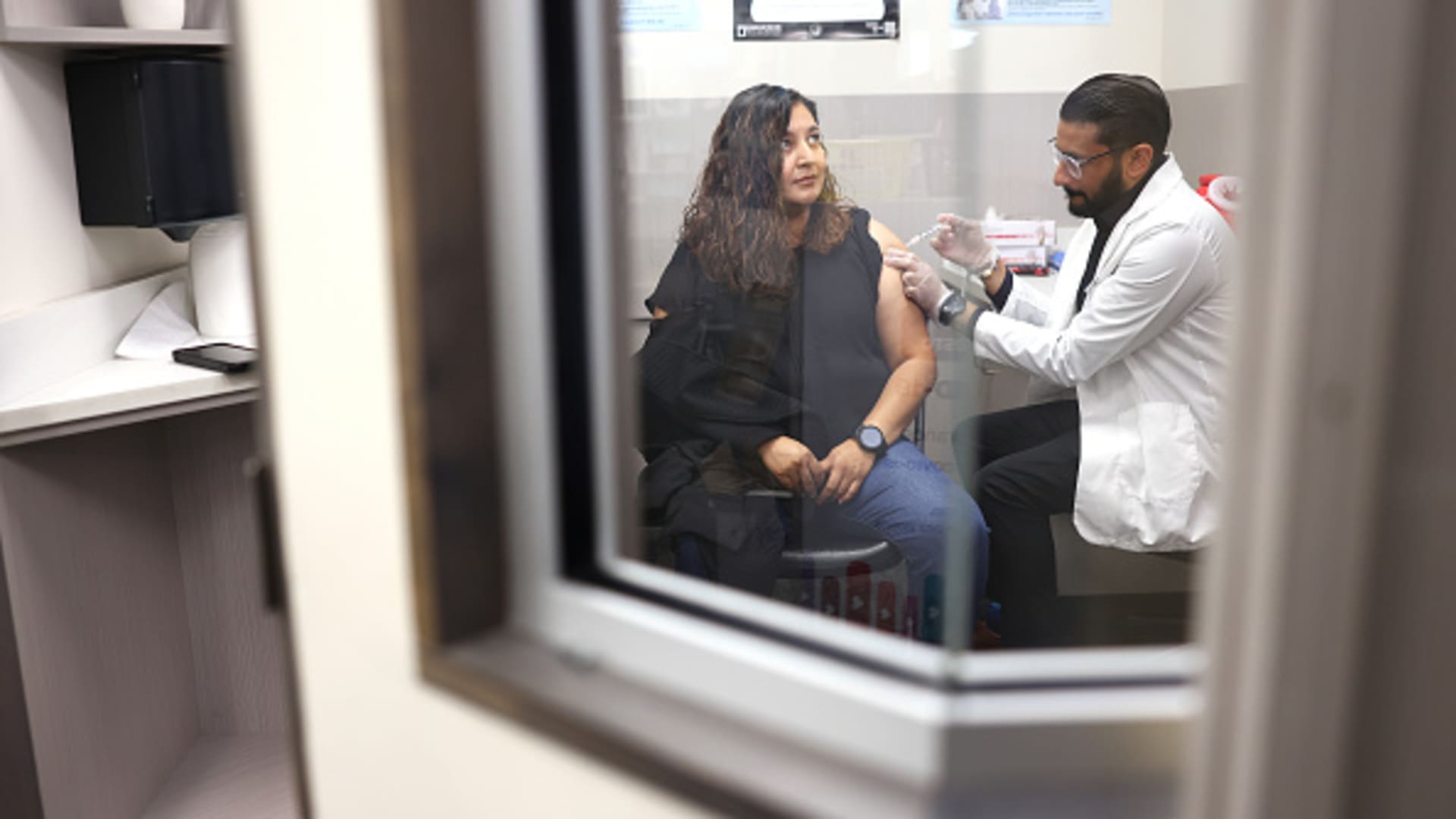

The rise of measles cases in the United States has sparked alarming concerns about public health, especially as childhood vaccination rates fall amid increasing exemptions. A recent survey reveals that many Americans are caught in a state of uncertainty regarding vaccines, rather than being firmly opposed to them. This confusion is fueled by misinformation and mixed messages from prominent figures, including political leaders, which complicates public health efforts to protect communities against preventable diseases.
| Article Subheadings |
|---|
| 1) Understanding Vaccine Hesitancy |
| 2) The Rise of Measles Cases |
| 3) The Role of Misinformation |
| 4) Engaging with Vaccine-Hesitant Individuals |
| 5) Public Health Implications |
Understanding Vaccine Hesitancy
Vaccine hesitancy is a complex phenomenon that cannot merely be attributed to outright opposition to vaccination programs. Many individuals express concern not because they entirely oppose vaccines but due to a combination of anxiety, confusion, and misinformation. The current emotional climate fueled by social media plays a critical role in how people receive health information. Algorithms feed users emotionally charged content that is often misleading, leaving them overwhelmed by conflicting messages regarding vaccine safety and efficacy. According to health experts, it’s crucial to recognize that numerous people are in a state of confusion, which can significantly impact public health efforts.
Furthermore, social media platforms enable an environment where misinformation can thrive. Influential figures, such as specific political leaders, top the list of those spreading such misinformation, adding another layer of difficulty for public health professionals trying to educate the public effectively. For instance, comments from prominent figures about the supposed link between vaccines and autism have remained an ongoing concern and perpetuate vaccine skepticism among families, even when extensive studies disprove such claims.
The Rise of Measles Cases
As vaccine hesitancy grows, the consequences are evident in the rise of measles cases across the nation. The U.S. has reported a staggering 2,777 confirmed cases of measles this year, marking the highest level in 35 years. This surge in cases correlates with a decline in vaccination rates—approximately 92% of kindergartners are vaccinated, which is concerning given the high contagious nature of measles. Reportedly, the Confederation of Disease Control and Prevention (CDC) links more than 93% of infected individuals to being unvaccinated or having an unclear vaccination status.
Compounding this issue, non-medical vaccine exemptions have reached an alarming high of 4.2% for certain populations, which equates to around 155,000 children nationwide. This post-pandemic dip in vaccination coverage heightens vulnerability within communities, making them more susceptible to outbreaks of preventable illnesses like measles. Public health professionals warn that a greater number of unvaccinated individuals increases the likelihood of infection, especially as measles can spread rapidly in populations with limited vaccination coverage.
The Role of Misinformation
Misinformation plays a crucial role in shaping public attitudes towards vaccines and contributes significantly to vaccine hesitancy. Social media’s pervasive nature allows for the rapid dissemination of false claims and alarming narratives. Political rhetoric surrounding vaccines adds to the confusion. Statements made by public figures that undermine vaccine science create an environment of distrust, leading many parents to reconsider vaccination for their children.
Notably, despite the overwhelming scientific consensus supporting the safety and effectiveness of vaccines, some politicians have attempted to overhaul vaccine recommendation policies, further muddying the waters regarding public trust in health messages. This environment makes it increasingly challenging for public health experts to communicate transparent, reliable information and discourage parental anxiety surrounding vaccinations.
Engaging with Vaccine-Hesitant Individuals
Public health experts emphasize that effectively approaching individuals hesitant about vaccines begins with active listening rather than confrontational lecturing. Understanding the reasons behind their hesitancy can bridge the gap in communication and facilitate a more open dialogue about vaccination. Acknowledging the role that social media plays in disseminating information fosters a constructive conversation, wherein healthcare providers can help decode and clarify misinformation without discrediting patients’ concerns.
Engagement also involves recognizing the success of vaccines, which has led some parents to lower their perceived risk of vaccine-preventable diseases. With diseases like measles being relatively absent for decades, newer generations may not grasp their serious implications, thus altering their attitude toward vaccinations. Discussions that frame the realities of changing disease risk can help parents understand why maintaining high vaccination rates is crucial for their children’s health.
Public Health Implications
The implications of rising vaccine hesitancy and declining vaccination rates are monumental. Health professionals warn that even slight decreases in vaccination coverage could result in more significant outbreaks of contagious diseases like measles, leading to unnecessary hospitalizations and potential fatalities. Awareness campaigns and clear communication from trusted healthcare providers are essential to counter misinformation and rebuild public trust.
Moreover, public health administrators are under pressure to reassess strategies for communication, especially concerning those who are uncertain about vaccines. Establishing trust and fostering relationships between healthcare providers and community members can create an environment conducive to informed choices about vaccinations. Education remains the keystone for reversing these concerning trends and ensuring that the general public can access accurate information about vaccines and their benefits.
| No. | Key Points |
|---|---|
| 1 | Vaccine hesitancy arises from confusion rather than steadfast opposition. |
| 2 | Record measles cases reflect declining vaccination rates and increasing exemptions. |
| 3 | Misinformation is a significant barrier to public trust in vaccines. |
| 4 | Listening to vaccine-hesitant individuals is key to effective engagement and education. |
| 5 | Addressing public health implications requires ongoing education and clear communication. |
Summary
The increasing rates of measles cases and the decline in childhood vaccinations present significant challenges to public health officials. With many adults residing in a gray area of vaccine uncertainty, rather than outright opposition, the need for clear, trustworthy information has never been more critical. Combating misinformation and effectively listening to the concerns of vaccine-hesitant individuals is essential for fostering a healthier population and maintaining high vaccination rates.
Frequently Asked Questions
Question: What has contributed to the rise in vaccine hesitancy in the U.S.?
The rise in vaccine hesitancy is attributed to factors like misinformation spread through social media, emotional appeals that create fear, and mixed messages from political leaders. Many people find themselves confused and overwhelmed by contradictory information, leading to uncertainties about vaccine safety and efficacy.
Question: How are rising measles cases impacting public health?
The increasing numbers of measles cases indicate a significant public health risk, especially with vaccination rates declining. The CDC reports high numbers of cases, predominantly affecting unvaccinated individuals, which jeopardizes herd immunity and can lead to severe outbreaks.
Question: What steps can be taken to address concerns about vaccines?
To address concerns about vaccines, health professionals should focus on listening to individuals’ fears, providing factual information, and establishing trust through open, non-judgmental dialogues. Educating individuals about the risks of preventable diseases and the importance of vaccines can also foster informed decision-making.
