

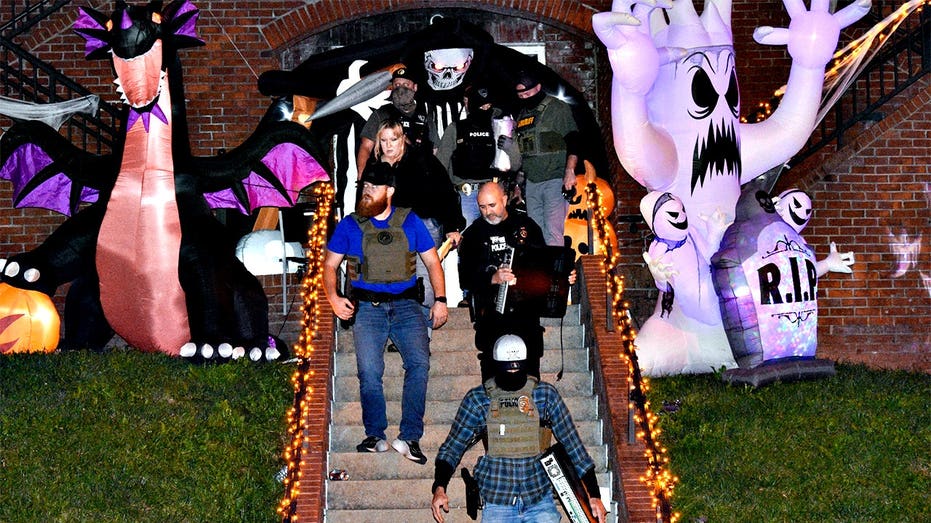

Police served search warrants at two West Virginia University fraternity houses in Morgantown on Oct. 26, 2026, as authorities investigated allegations of hazing. Evidence was removed from the Lambda Chi Alpha and Pi Kappa Alpha properties while crowds gathered outside. The Lambda Chi Alpha chapter had been placed on interim suspension earlier in October, while Pi Kappa Alpha remained under investigation without a university suspension as of the raids. A hazing prevention expert said heightened enforcement and transparency requirements should prompt fraternity members to reconsider dangerous initiation practices.
| 1) | Police execute search warrants in Morgantown |
|---|---|
| 2) | University actions follow hazing allegations |
| 3) | National scrutiny is bringing hazing into view |
| 4) | Expert describes risks to students and fraternities |
| 5) | University pledges continued attention to safety |
Police execute search warrants in Morgantown
Campus and local law enforcement officers searched the Lambda Chi Alpha and Pi Kappa Alpha fraternity houses at West Virginia University in Morgantown on Oct. 26, 2026. The warrants were connected to allegations of hazing, a term that covers strenuous, humiliating or dangerous tasks imposed on prospective or new members.
Officers carried bags and cases of evidence from the properties and loaded them into police vehicles. At the Lambda Chi Alpha house, hundreds of people gathered along the street and on nearby properties while loud music and shouting continued during the operation. The searches were conducted as part of active investigations, and authorities did not publicly disclose the specific evidence collected.
University actions follow hazing allegations
West Virginia University placed its Lambda Chi Alpha chapter on interim suspension on Oct. 9, more than two weeks before the search, after receiving anonymous hazing allegations. The university said the temporary action was taken while the allegations were reviewed and investigated.
The Pi Kappa Alpha chapter, commonly known as PIKE, also faced hazing allegations and was included in the Oct. 26 search warrant activity. As of that date, the university had not placed the chapter on suspension. The university did not release additional details because of the ongoing investigations.
National scrutiny is bringing hazing into view
The West Virginia searches came amid a broader series of hazing investigations involving fraternities and other student organizations across the United States. According to Michael Ayalon, a hazing prevention expert, the increase in police involvement may reflect greater awareness and reporting rather than a clear increase in the number of incidents.
The Stop Campus Hazing Act, enacted with bipartisan congressional support in December 2024, requires greater transparency about hazing allegations. Ayalon said the law has increased expectations for universities to disclose information and demonstrate accountability. He also said hazing has historically been underreported because students may fear retaliation or social consequences.
“We certainly are seeing increased visibility and scrutiny of hazing on college campuses, particularly as universities face greater expectations for transparency and accountability. With that transparency and accountability comes greater visibility.”
Expert describes risks to students and fraternities
Ayalon said fraternity members should view the current investigations as a warning about the effects of hazing on both students and Greek organizations. Allegations involving a small number of chapters can affect recruitment, alumni support and relationships between universities and fraternities.
“For students, I think this is a wake-up call.”
He said some chapters continue to treat hazing as a requirement for membership, relying on the belief that previous participants must impose the same experience on new members. In his view, that reasoning confuses meaningful shared challenges with humiliation or control by people who hold power over recruits.
Ayalon also said hazing practices can vary among organizations. He described forced alcohol consumption as a pattern associated with some traditionally white fraternities, psychological ostracism as a reported form in some sororities, and physical or mental abuse as risks in some historically Black fraternities and sororities. He added that drugs have appeared in several recent high-profile cases.
University pledges continued attention to safety
West Virginia University said the safety and well-being of its students were serious priorities. The institution declined to provide further information while the investigations continued and said updates would be issued when available.
“West Virginia University takes seriously the safety and well-being of our students. Due to the nature of the investigations, no other details will be released at this time. We will provide updates as they become available.”
The searches, suspensions and ongoing reviews place responsibility on investigators to determine what occurred and on fraternity organizations to cooperate with university and law enforcement processes. The cases also underscore the importance of reporting concerns before dangerous conduct escalates.
| Number | Key Point |
|---|---|
| 1 | Police searched two West Virginia University fraternity houses on Oct. 26, 2026. |
| 2 | Lambda Chi Alpha was under interim suspension after anonymous hazing allegations. |
| 3 | Pi Kappa Alpha was investigated but had not been suspended by the university. |
| 4 | Experts linked increased scrutiny to greater transparency requirements and reporting. |
Summary
The West Virginia University searches reflect the growing attention directed at hazing allegations on college campuses. While the investigations will determine what happened at the two fraternity houses, the case has already renewed calls for students and organizations to reject dangerous initiation practices and report concerns promptly.
Frequently Asked Questions
What happened at West Virginia University?
Police served search warrants at the Lambda Chi Alpha and Pi Kappa Alpha fraternity houses in Morgantown on Oct. 26, 2026, as part of hazing investigations.
Was either fraternity suspended?
Lambda Chi Alpha had been placed on interim suspension on Oct. 9 after anonymous allegations. Pi Kappa Alpha was under investigation but had not been suspended as of the searches.
Why is hazing receiving increased attention?
A hazing prevention expert said greater reporting, public scrutiny and transparency requirements under the Stop Campus Hazing Act have made allegations more visible.
