

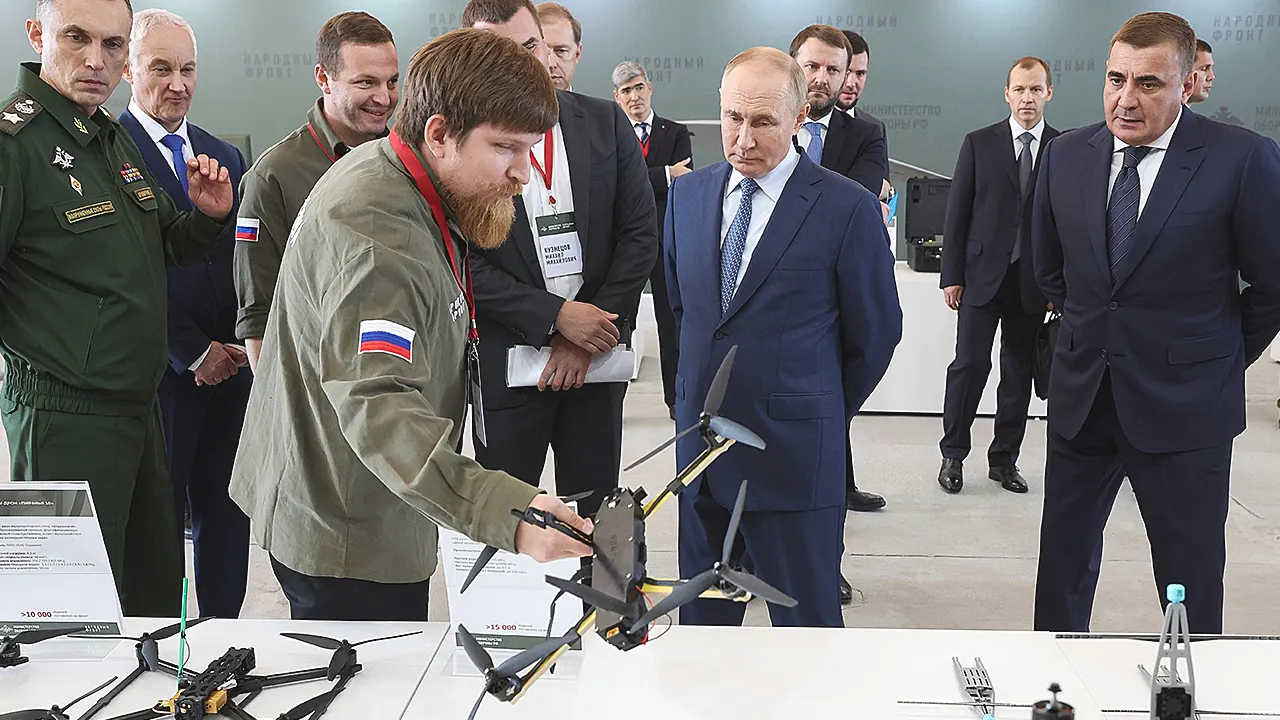

Concerns are mounting over the escalating violence in the ongoing Russia-Ukraine conflict, particularly as it now extends to key figures in the drone technology sector. Recent attacks have targeted executives responsible for developing advanced drone systems, a crucial element in modern warfare. Experts highlight that these assaults not only endanger lives but also pose a significant risk to the technological advancements being made by both sides.
| Article Subheadings |
|---|
| 1) Surge in Attacks on Drone Executives |
| 2) The Strategic Importance of Drone Technology |
| 3) International Intelligence Operations |
| 4) Shifting Warfare Tactics: A New Era |
| 5) Precautions Taken by the Drone Manufacturing Industry |
Surge in Attacks on Drone Executives
In recent weeks, there has been a noticeable increase in violent attacks targeting executives and engineers within the drone manufacturing sector, particularly in Russia. One significant incident occurred on August 4 when a car bomb in Yekaterinburg critically injured Vladimir Tkachuk, the head of the Russian drone manufacturer Uraldronzavod, also leading to the death of his driver. This attack underscores a troubling trend: as the Russia-Ukraine war intensifies, the personnel developing the drone systems that reshape the battlefield are increasingly becoming prime targets.
A few days prior, another drone company head, Andrei Cherezov, was shot multiple times in an apparent assassination attempt. These bold actions illustrate the high-stakes game at play, wherein key figures in drone technology are viewed as critical assets within their respective military strategies. According to reports, the motives behind these attacks involve destabilizing the opposing side’s technological capabilities by disrupting leadership in drone production.
The Strategic Importance of Drone Technology
The race for superiority in drone warfare represents a newly emerging facet of the conflict, where technology plays a crucial role in operational success. Cameron Chell, CEO of Draganfly, remarked that the heightened attacks on drone executives occur amidst both Russia and Ukraine striving for an edge in this technological arms race. The prevailing strategy is becoming apparent: when large segments of infrastructural capabilities are unattainable or well-defended, targeting the leadership driving innovations in drone technology becomes a priority.
Chell further elaborated that the swift evolution of drone technology, which can undergo significant changes every few weeks, makes key personnel vital for operational continuity. Attacking a prominent engineer or company founder not only disrupts ongoing projects but can also delay critical weapon systems from reaching the front lines. This strategic importance of drone technology presents a dual threat—losing personnel can destabilize development efforts while simultaneously placing opposing forces at a disadvantage.
International Intelligence Operations
Intelligence operations have become increasingly intricate in the context of the Russia-Ukraine conflict. Reports have highlighted how German authorities recently apprehended two individuals suspected of spying on a Bavarian drone manufacturer for Russian intelligence. This particular operation allegedly targeted the company’s executive, Stefan Thumann, as part of a broader agenda aimed at undermining these critical technological capabilities.
Additionally, a foiled plot from earlier this year involved plans for the assassination of Armin Papperger, the CEO of Rheinmetall, illustrating the lengths to which intelligence agencies will go to disrupt the adversary’s advantage. These intelligence operations underscore the high-stakes environment surrounding drone technologies, where both nations are willing to employ extreme measures to secure strategic benefits.
Shifting Warfare Tactics: A New Era
The advent of drones in warfare is not merely a trend but a transformative shift in military tactics. Modern warfare is increasingly characterized by rapid innovations in autonomous systems and artificial intelligence, paving the way for a new style of fighting that largely relies on unmanned technologies. Chell emphasized that developments toward total autonomy in drone operations minimize human intervention, significantly enhancing speed and precision on the battlefield.
This strategic pivot toward automation necessitates the protection of pivotal personnel in the drone industry. By eliminating key figures, one can severely disrupt the adversary’s advancements in drone capabilities, ultimately influencing the broader conflict. Ukraine and Russia both exhibit unique tactical approaches; while Russian operations may lean toward a more state-organized strategy complemented by extensive intelligence, Ukrainian tactics are more direct and aggressive, characterizing them as a response shaped by urgency and existential threats.
Precautions Taken by the Drone Manufacturing Industry
In light of increasing threats, the drone manufacturing sector is ramping up safety protocols to safeguard executives and engineers involved in developing vital technologies. Chell explained that heightened scrutiny and dialogue around security have become paramount within the industry. This includes training initiatives focused on enhancing physical security and awareness regarding potential cyber threats.
Firms are now actively collaborating with relevant authorities to ensure that safety measures are robust and adaptable to evolving threats. This includes not only physical protective measures but also precautionary strategies against cyber espionage, which is just as much a concern in contemporary warfare. As the landscape of modern conflict continues to change, the importance of implementing protective strategies is more crucial than ever.
| No. | Key Points |
|---|---|
| 1 | Recent attacks on drone executives highlight growing violence in the Russia-Ukraine conflict. |
| 2 | Strategic targeting of key personnel in drone technology is seen as vital to gaining an edge in warfare. |
| 3 | Intelligence operations are increasingly involving espionage and targeted assassinations within the drone manufacturing sector. |
| 4 | The shift toward autonomous and AI-driven drone technologies marks a significant evolution in modern military tactics. |
| 5 | Increased precautions are being adopted by drone companies to safeguard their key personnel amid the rising threat landscape. |
Summary
The ongoing violence involving drone executives not only reflects the escalating conflict in Ukraine but also underscores the transformative role of drone technology in modern warfare. As both sides seek to secure advantages through advanced technological innovations, the necessity of safeguarding pivotal individuals within these sectors has never been more crucial. The international intelligence efforts to undermine adversarial capabilities exemplify the complexity and urgency of this high-stakes environment.
Frequently Asked Questions
Question: What are the recent trends in attacks against drone technology executives?
Recent trends indicate a surge in targeted attacks against executives and engineers within the drone technology sector, with notable incidents involving assassination attempts and bombings aimed at disrupting leadership in drone manufacturing.
Question: Why is drone technology important in the Russia-Ukraine conflict?
Drone technology is crucial in the ongoing conflict as it provides both sides with significant advantages in surveillance, reconnaissance, and tactical operations, thereby reshaping traditional military strategies.
Question: How are drone manufacturers responding to increasing threats?
Drone manufacturers are implementing heightened security measures to protect their personnel from threats, including improved physical safety protocols and increased collaboration with authorities on cyber and physical security.
