

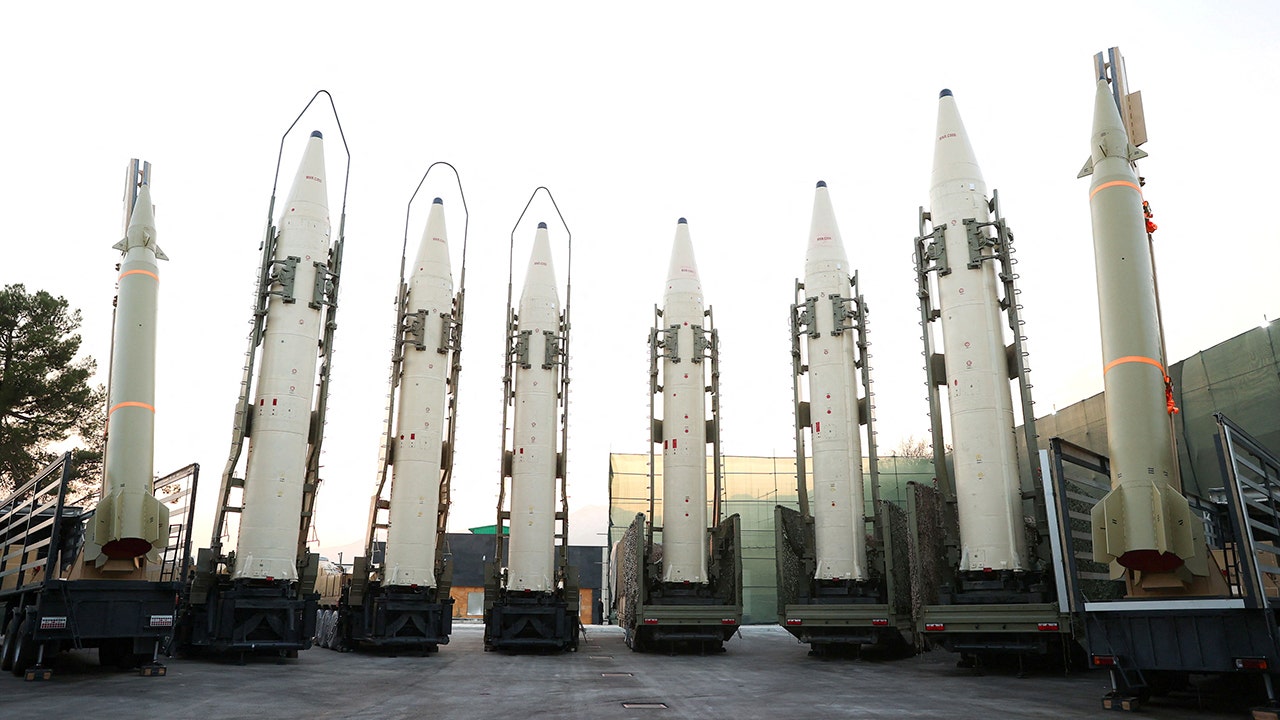

As tensions between the United States and Iran continue to escalate, recent developments have highlighted the precarious situation in the Middle East. President Donald Trump is pushing for financial reparations from Iran, while the Iranian economy is reportedly collapsing under the weight of stringent U.S. sanctions. National security analysts warn that Iran may soon respond with military actions, potentially targeting key American assets in retaliation for economic pressures. The situation remains fluid, with implications for regional stability and international relations.
| Article Subheadings |
|---|
| 1) Escalating Tensions: U.S. Demands and Iranian Responses |
| 2) Economic Impact: Sanctions and Iran’s Crumbling Economy |
| 3) Military Threats: Iran’s Potential Response to Sanctions |
| 4) Diplomatic Stalemate: The Future of U.S.-Iran Relations |
| 5) Key Figures: Who’s Who in the U.S.-Iran Conflict |
Escalating Tensions: U.S. Demands and Iranian Responses
The escalation of tensions between the U.S. and Iran has reached a new peak, with President Donald Trump calling for financial compensation amounting to billions for damages attributed to Iran over several decades. This demand comes amid a backdrop of stringent economic sanctions instituted by the U.S. government. Consequently, the Iranian leadership is facing increased pressure to respond decisively to the mounting financial strain.
Officials have criticized these sanctions as detrimental not only to Iran’s economy but also to the broader stability of the region. In response to Trump’s demands, Iranian leaders have claimed that the U.S. is exacerbating economic hardship for the Iranian populace. As the conflict intensifies, both sides are entrenching their positions, making cooperation and resolution increasingly elusive.
Economic Impact: Sanctions and Iran’s Crumbling Economy
Iran’s economy has faced harsh severities since the U.S. re-imposed sanctions after withdrawing from the nuclear pact in 2018. According to various analysts, the financial strain has notably affected oil exports, which have plummeted under U.S. control of critical maritime routes in the Persian Gulf.
The economic challenges have also led to rising inflation, unemployment, and widespread discontent among the Iranian population. Sanctions strategist Miad Maleki illustrates that the cumulative effect of these sanctions has plunged the Iranian economy into a state of distress. As the situation deteriorates, the Iranian government may find itself cornered, leading to significant public discontent.
The Iranian government has attempted to counter these sanctions by pursuing alternative economic relationships with countries less aligned with U.S. interests. However, these efforts have had limited success as many nations remain cautious of engaging economically with Iran due to potential repercussions from the U.S.
Military Threats: Iran’s Potential Response to Sanctions
In light of the increasing economic sanctions, national security analysts have posited that Iran could resort to military measures as a means to assert its status and push back against perceived aggressions. Analysts suggest that Tehran might target American military installations as well as interests belonging to U.S. allies in the region, effectively employing a strategy of kinetic pressure.
With the ongoing troop buildup in the Gulf, experts predict that Iran may transition to guerrilla-style tactics, utilizing hit-and-run attacks to inflict damage on an overstretched American military presence. Moreover, the situation surrounding the Strait of Hormuz remains a flashpoint, where Iranian officials have asserted control amidst conflicting statements from U.S. sources asserting complete maritime dominance.
Senior fellow at the Foundation for Defense of Democracies, Behnam Ben Taleblu, suggests that Iran’s military provisions may include targeting both ships and critical infrastructure in the region. Such actions could amplify existing tensions and lead to wider conflicts, ultimately impacting global oil markets and security dynamics.
Diplomatic Stalemate: The Future of U.S.-Iran Relations
As diplomatic avenues appear increasingly stymied, the possibility of renewed negotiations seems bleak. The Iranian government insists on the U.S. returning to the 2015 nuclear agreement, while Washington has shown unwillingness to significantly alter its stance or engage in productive discussions. An Iranian source has indicated that as of now, no plans are in place to extend the specified ceasefire alliance, heightening concerns over further military confrontations.
The original framework for negotiations had included a 60-day window for reaching an agreement concerning Iran’s nuclear capabilities, a critical contention point in U.S.-Iranian relations. As the deadline approaches, attention is focused on the Strait of Hormuz, a crucial passageway for global oil transport, which remains a focal point for military presence from both the U.S. and Iran.
The ongoing stalemate raises questions about both countries’ strategies moving forward. With U.S. sanctions intensifying and Iran’s economic position faltering, the potential for miscalculation is a real concern, lending instability to the region and obstructing diplomatic initiatives.
Key Figures: Who’s Who in the U.S.-Iran Conflict
Understanding the complex dynamics in the U.S.-Iran conflict involves recognizing the key figures involved in shaping both nations’ strategies. President Donald Trump stands at the forefront of U.S. decision-making, advocating for hardline approaches to Iran through economic isolation. His administration’s policies have significantly influenced the current state of affairs.
On the Iranian side, figures such as Hossein Taeb, head of the Basij paramilitary force, and Behnam Ben Taleblu, offering insight into how Iran might respond, provide critical context in understanding Iran’s motivations and responses to U.S. sanctions. The Iranian regime’s avoidance of direct confrontation while leveraging subversive tactics illustrates their calculated approach to navigating a hostile geopolitical landscape.
These individuals not only influence military strategy but also public sentiment and international perceptions, which can amplify or mitigate conflicts. As the narrative unfolds, their roles may bear significant weight in steering the future trajectory of U.S.-Iran relations.
| No. | Key Points |
|---|---|
| 1 | President Trump demands financial reparations from Iran due to longstanding grievances. |
| 2 | Iran’s economy faces severe challenges due to escalated U.S. sanctions, resulting in inflation and unemployment. |
| 3 | Analysts predict a possible military response from Iran, including hit-and-run tactics against U.S. interests. |
| 4 | Diplomatic relations are strained as neither side is willing to make concessions for new negotiations. |
| 5 | Key figures in the U.S.-Iran conflict are influencing the framing of military and diplomatic strategies. |
Summary
In summary, the ongoing conflict between the U.S. and Iran represents a significant geopolitical challenge, with economic, military, and diplomatic dimensions. As the Trump administration applies pressure through sanctions, Iran’s economic instability heightens the risk of an aggressive response. The lack of diplomatic progress is exacerbating tensions, leading to uncertainty regarding the future of both nations and the broader Middle East. The interplay between these factors will likely continue to shape events in the coming months.
Frequently Asked Questions
Question: What are the key challenges currently facing Iran’s economy?
Iran’s economy is grappling with soaring inflation, high unemployment, and a significant drop in oil exports due to U.S. sanctions, leading to widespread public discontent.
Question: How might Iran respond to increasing U.S. sanctions?
Iran may resort to military actions, including targeting U.S. military installations or allies in the region, potentially utilizing guerrilla tactics to counteract American pressure.
Question: What are the implications of the U.S. strategy toward Iran for regional stability?
The U.S. strategy of maximum pressure could lead to heightened tensions and miscalculations that destabilize the entire region, impacting global oil markets and security dynamics.
