

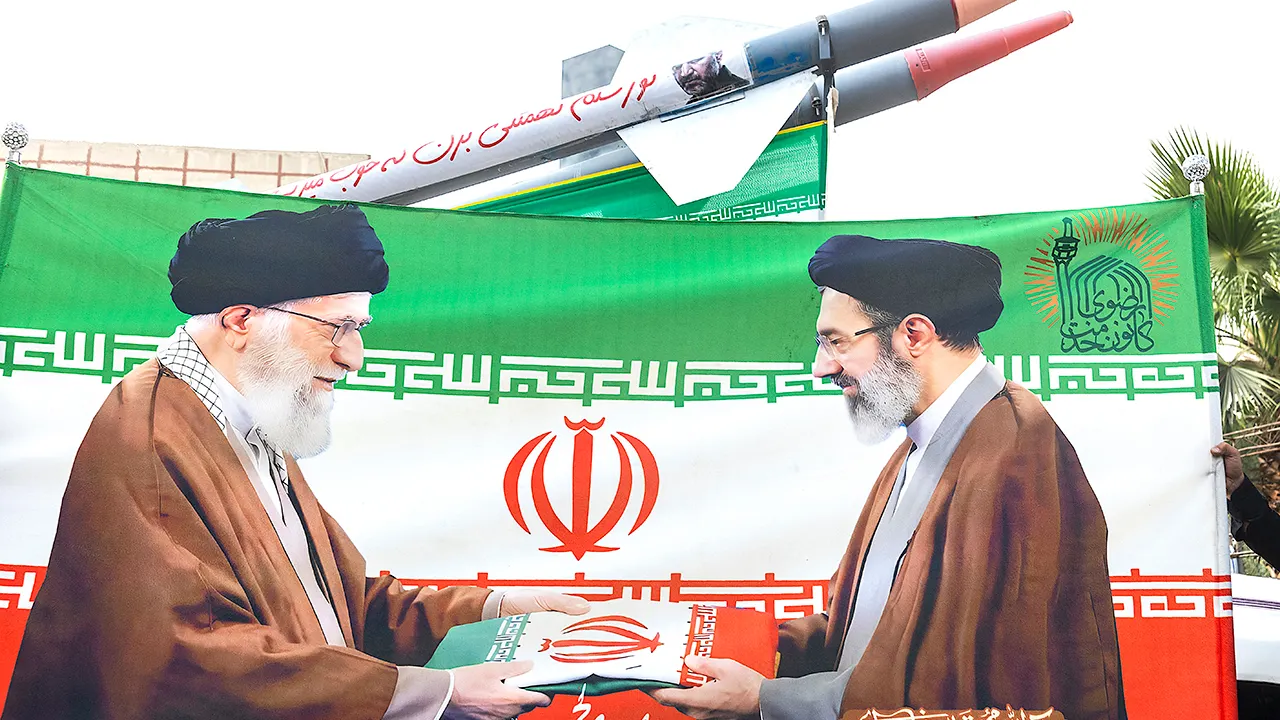

In a recent report, Israeli defense officials provided unprecedented access to the arsenal of seized weapons housed at the Tzrifin Base of the Israel Defense Forces (IDF) in Central Israel. This extensive cache, which includes rockets, drones, and automatic weapons, highlights the military heat and challenges Israel faces from Hezbollah and Hamas, particularly following attacks that occurred on October 7, 2023. The interface between various military equipment from international origins underscores both the scale of the conflict and the political strategies in play, particularly in light of relations with Iran and ongoing tensions in the region.
| Article Subheadings |
|---|
| 1) Overview of the Seized Armaments |
| 2) The Historical Context of the Weapons |
| 3) Implications for Israeli National Security |
| 4) Insights into the Hezbollah and Hamas Operations |
| 5) International Responses and Future Negotiations |
Overview of the Seized Armaments
Visitors to the Tzrifin Base are confronted by a staggering array of confiscated weaponry. The IDF has retrieved material ranging from rockets to drones and sniper rifles, demonstrating the extensive preparation and weapons supply networks utilized by groups like Hezbollah and Hamas. Early in the conflict, following the mass attack directed by Hamas on October 7, 2023, this cache of military equipment has become a crucial focal point for understanding the military capacity that Israel faces on its borders.
This weaponry includes not only firearms and rockets but also advanced automated systems, including drones and anti-tank weaponry. The breadth of the arsenal highlights the sophistication of the technological advancements that militant groups have adopted over the decades, often sourced from an international supply chain involving nations such as Iran, Russia, and even remnants of World War II weaponry.
The Historical Context of the Weapons
Many of the munitions on display at the Tzrifin Base bear significant historical significance, including weapons that trace their origins back to World War II, such as the Nazi-era machine guns. These artifacts serve not only as tools of combat but also as symbols of the ideological battles that echo through the region’s current conflicts. The presence of such historic weaponry in modern confrontations raises questions about the continuity of military lobbying and the strategies employed by various factions to maintain morale among their ranks.
The complexities of the weaponry also shed light on the supply chains that militant organizations rely on. For decades, Hezbollah and Hamas have adeptly navigated international trade routes to acquire vital military equipment that has been central to their operational capacities. These groups have engaged in both offensive and propagandistic tactics, employing technology that merges military with civilian purposes as a strategic advantage.
Implications for Israeli National Security
The sheer volume and advanced nature of the captured weaponry pose significant challenges to Israel’s national security framework. Each item confiscated not only represents a lost capability for militant groups but also sheds light on the scale of the threat that Israel has faced and continues to confront. The IDF’s offensive capabilities are constantly being tested against these versatile and well-armed organizations, underscoring the need for ongoing vigilance and tactical readiness.
Moreover, the weapons serve as a reminder of the broader geopolitical tension in the Middle East. With Iran’s ongoing support for these entities, the risk of escalation remains high. The IDF has indicated that such armaments could potentially target civilian populations, increasing the stakes in regional conflicts and necessitating responsive military strategies.
Insights into the Hezbollah and Hamas Operations
In recent weeks, tensions have heightened following significant operations by Hamas and Hezbollah. Reports indicate these groups have taken strategic measures to adapt their operational frameworks to counteract Israeli defenses. For instance, motorbikes and vehicles—allegedly modified for combat—have been employed to increase the effectiveness of surprise attacks. Capturing such vehicles has enabled these organizations to execute tactics that profoundly disrupt military and civilian life within Israel.
Hezbollah’s tactics reveal a commitment to embedding their operations deeply within civilian households, a practice that not only complicates the IDF’s operational landscape but also places non-combatants at risk. This pattern draws criticism and poses ethical dilemmas, particularly during large-scale military engagements where collateral damage becomes a substantial concern.
The IDF’s identification of more advanced dual-use technologies further indicates that both Hezbollah and Hamas have evolved their arsenal considerably. This development necessitates a reevaluation of military tactics on the part of Israeli defenses, illustrating how adaptive and resilient these militant organizations have become.
International Responses and Future Negotiations
As tensions between the involved parties escalate, international responses are evolving. The U.S. government has expressed its support for efforts aimed at disarming militant factions like Hezbollah and facilitating discussions for greater regional peace. Recent talks have been scheduled in Rome as part of these ongoing diplomatic efforts, highlighting the complex interplay of militarization, governance, and international diplomacy.
Despite the complex landscape of negotiations, officials convey a cautious optimism that some progress is being made. However, obstacles persist, particularly with elements like Hezbollah trying to undermine dialogue efforts. The intricacies of the situation necessitate not only immediate tactical responses but also broader discussions about long-term strategies that address root causes and lay the groundwork for sustainable peace among the conflicting parties.
| No. | Key Points |
|---|---|
| 1 | The Tzrifin Base houses a large cache of confiscated weaponry from groups such as Hezbollah and Hamas. |
| 2 | Seized weaponry includes diverse arms sourced from Iran, Russia, and other nations, some with historical significance. |
| 3 | Hezbollah and Hamas utilize advanced military technologies, including dual-use equipment, to wage conflict against Israel. |
| 4 | The situation necessitates ongoing military vigilance and readiness on the part of the IDF. |
| 5 | Ongoing international negotiations aim to disarm Hezbollah and facilitate peace talks, albeit with significant challenges. |
Summary
The situation at Israel’s Tzrifin Base and the display of confiscated weaponry underscore the continuing conflict between Israel and militant groups such as Hezbollah and Hamas. As these organizations evolve their tactics using advanced weaponry and dual-use technology, the implications for Israeli security grow increasingly complex. The international community’s role in mediating and potentially disarming these groups remains critical, as ongoing negotiations highlight the difficulty of achieving lasting peace amidst continual escalation. The breadth of the military conflict and the intricate web of regional politics illustrate the need for strategic finesse and adaptive policy measures moving forward.
Frequently Asked Questions
Question: What types of weapons have been confiscated by the IDF from militant groups?
The IDF has confiscated a range of weapons, including rockets, grenades, drones, sniper rifles, and automated weaponry, primarily from groups like Hezbollah and Hamas.
Question: How do Hezbollah and Hamas utilize advanced military technologies?
Hezbollah and Hamas adapt advanced military technologies for offensive operations, employing dual-use equipment for both civilian and military purposes, enhancing their tactical capabilities against Israel.
Question: What role does the international community play in negotiations regarding Hezbollah?
The international community, particularly the U.S., plays a significant role in mediating efforts to disarm Hezbollah and stabilize the region through structured negotiations aimed at reducing militarization in Lebanon.
