


Artificial intelligence is playing an increasingly significant role in enhancing fraudulent schemes, particularly those targeting elder Americans. Recent developments showcase how scammers are utilizing AI technologies, like voice mimicking and deepfake capabilities, to trick vulnerable populations. This story discusses the growing prevalence of these AI-driven scams and introduces new tools, such as Amazon’s Alexa for Shopping, designed to help users verify suspicious communications and stay ahead of potential fraud.
| Article Subheadings |
|---|
| 1) The Rise of AI in Elder Fraud Schemes |
| 2) Amazon Launches New Verification Tools |
| 3) How the Verification Process Works |
| 4) The Importance of Remaining Vigilant |
| 5) Tips for Protecting Against Scams |
The Rise of AI in Elder Fraud Schemes
As technology evolves, so do the tactics of scammers looking to exploit the elderly. With over $600 billion in annual spending power attributed to older Americans, they have become prime targets for various fraud schemes. Recent reports indicate that sophisticated AI applications are being employed to create more convincing scams that can be challenging to detect.
Fraudster enterprises are adapting the utilization of AI to craft communications that mimic the style and tone of reputable brands, making it difficult for potential victims to discern real messages from fraudulent ones. The incorporation of voice mimicking technology allows scammers to impersonate loved ones or trusted figures over the phone, adding an unsettling layer of authenticity to their scams.
In interviews, experts stress the urgency of addressing these AI-enabled fraudulent schemes, particularly as the demographic that is often targeted lacks familiarity with digital threats. Experts, such as Matt Sanner, founder of ScamSkeptic, emphasize that families must be aware and proactive in educating their elderly relatives about these scams and how to keep themselves safe.
Amazon Launches New Verification Tools
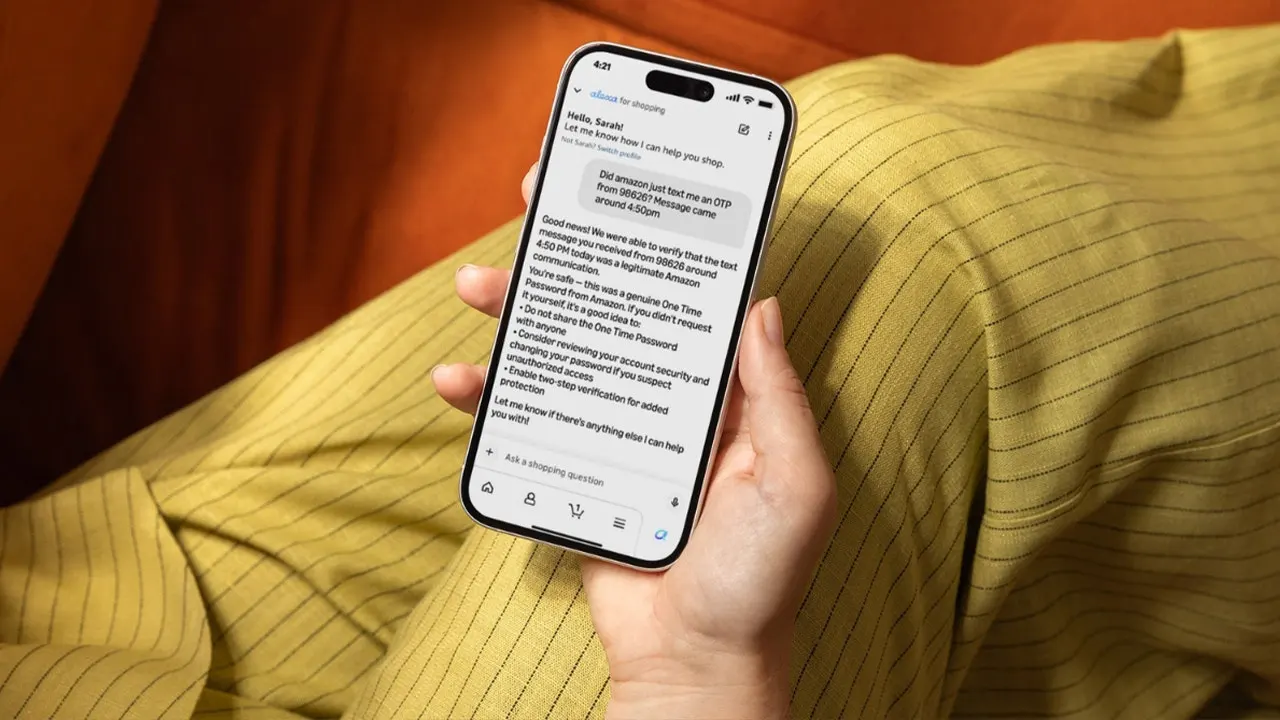
In response to the growing prevalence of scams, Amazon has initiated new measures to help customers discern fraudulent communications. U.S. customers can now utilize Amazon’s Alexa for Shopping to verify whether an email, text, or phone call claiming to be from the company is legitimate. This functionality emerges amidst increasing concerns over the security of digital communications and the efficacy of existing protective measures.
According to Amazon, approximately 360,000 queries are made to customer service each year by individuals attempting to validate suspicious messages. Alexa for Shopping is designed to mitigate this confusion, acting as a conversational agent through which users can authenticate unexpected messages efficiently.
This move is part of a broader strategy from Amazon to enhance consumer safety and trust. As customers face waves of ever-more-believable scams on various fronts, improving verification processes can empower users to exercise caution and discernment when investigating messages that provoke suspicion.
How the Verification Process Works
To check the authenticity of a communication, users need to provide Alexa with detailed information regarding the suspicious text or email, such as the sender’s name and the content of the message. Alexa then cross-references this information against Amazon’s communication records.
This verification process goes beyond rudimentary keyword checks. Instead, it employs sophisticated algorithms to assess timing, sender identity, and the formatting of the message, thereby bolstering the chances of accurately identifying fraudulent communications. If the system can confidently match the details, Alexa will notify the user that the message is indeed from Amazon, along with advice on account security.
In instances where the communication does not match Amazon’s records, Alexa will inform the user that the message does not appear to be from an official Amazon source, advising them to contact customer support through official channels instead. Furthermore, if uncertainty remains, users can submit additional details for further analysis, fostering a collaborative approach to combat fraud.
The Importance of Remaining Vigilant
Despite the introduction of these new tools, vigilance remains paramount in protecting against scams. Scammers continuously evolve their strategies, and as technology advances, so too do their capabilities. This reality necessitates an ongoing commitment from consumers to remain aware and informed about fraudulent tactics.
Experts urge individuals to be particularly cautious of communications that demand immediate action or create a false sense of urgency. A simple delivery notice, for example, can escalate into a persuasive ploy for personal information if the recipient feels rushed or anxious to respond.
Additionally, it is crucial to cultivate skepticism toward unsolicited messages. Users are always encouraged to verify claims independently rather than relying solely on links found within suspicious communications. This cautious approach can prevent impulsive actions that compromise personal information and financial safety.
Tips for Protecting Against Scams
Consumer education is critical in mitigating risks associated with scams, especially for older adults who may not be as digitally savvy. Families can play a pivotal role by imparting essential knowledge about recognizing fraudulent messages and taking proactive steps to safeguard loved ones.
Here are several practical tips to help consumers protect themselves from emerging scams:
- Be Cautious of Urgency: Scammers often use pressure tactics to evoke impulsive responses. If a message creates a sense of immediate urgency, take a moment to verify its authenticity through official channels.
- Do Not Pay with Gift Cards: Reputable companies will never request payments via gift cards. Exercise caution if anyone asks for payment in this manner.
- Protect Personal Information: Never divulge sensitive information such as passwords or verification codes over the phone or through unsolicited messages.
- Verify Caller ID: Be wary of phone calls, as scammers can spoof caller ID information. Always verify unexpected calls before providing personal details.
- Utilize Antivirus Software: Employing strong antivirus protection on devices can help ward off malicious downloads and phishing attempts.
- Consult Scam Reports: Utilize platforms like the Better Business Bureau’s Scam Tracker to stay updated on emerging scams in your area.
| No. | Key Points |
|---|---|
| 1 | AI technology is increasingly utilized by scammers to deceive vulnerable populations, particularly older Americans. |
| 2 | Amazon’s Alexa for Shopping has introduced a verification tool to help users confirm the authenticity of suspicious communications. |
| 3 | The verification process involves analyzing sender details and message content against Amazon’s official records. |
| 4 | Vigilance remains essential, as scammers evolve their tactics to exploit consumer vulnerabilities continually. |
| 5 | Education and awareness are crucial in preventing scams, especially for less tech-savvy individuals. |
Summary
In conclusion, as the landscape of fraud continues to transform with advancements in technology, especially artificial intelligence, the importance of consumer awareness cannot be overstated. The new tools introduced by Amazon represent a significant step towards protecting individuals from scams, but they should not replace vigilance and skepticism. By remaining informed about potential threats and practicing safe online habits, consumers can work towards mitigating the risks associated with fraud and preserving their safety in an increasingly digital world.
Frequently Asked Questions
Question: How can I verify if a message is genuinely from Amazon?
You can utilize Amazon’s Alexa for Shopping to check whether an email, text, or phone call you received is legitimate by providing details about the communication.
Question: What should I do if I suspect I’ve received a scam message?
It is best to refrain from clicking any links in the message and verify the information through Amazon’s official website or customer support channels.
Question: What are the common signs of an Amazon scam?
Common signs include urgent requests for action, unusual payment methods like gift cards, and messages that ask for personal details or account information.
