

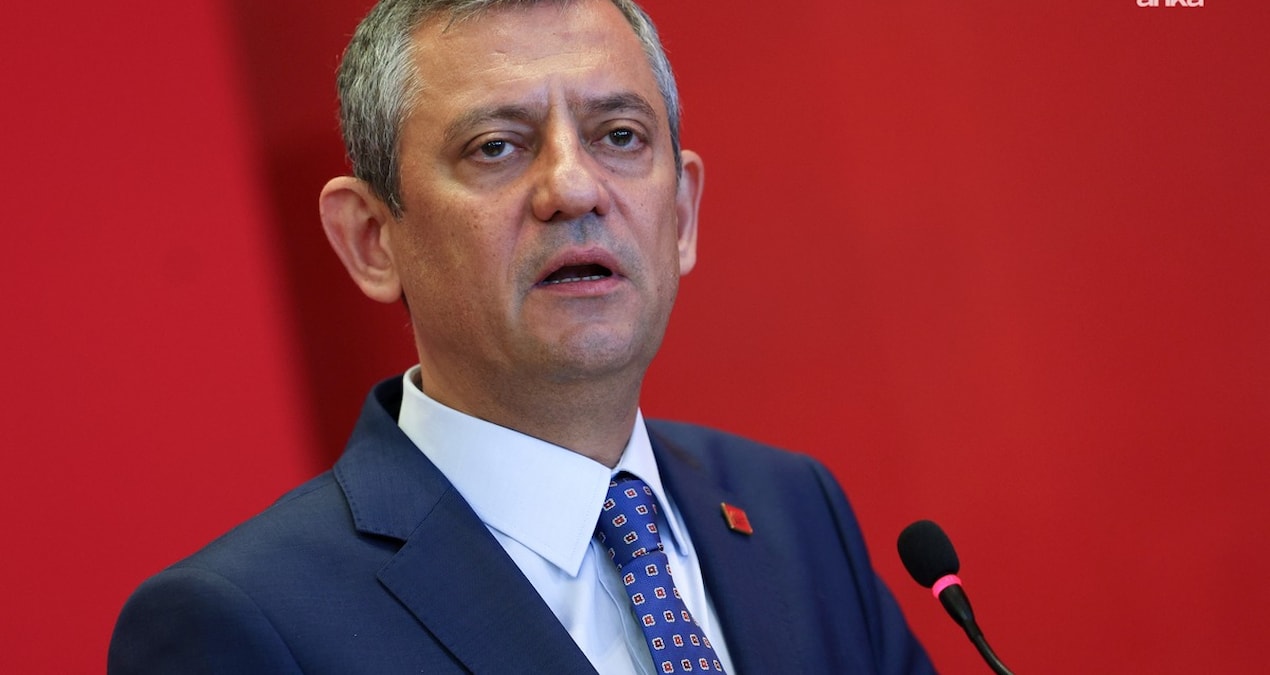

The recently appointed chairman of the NEW Party, Özgür Özel, has criticized Turkey for exemplifying modern authoritarianism in a piece published in the French newspaper Le Figaro. Acknowledging Turkey’s complex historical relationship with democracy, he argues that while the nation holds elections and operates ostensibly democratic institutions, underlying factors reveal a significant erosion of genuine democratic practices. Özel highlights instances such as the arrest of prominent opposition figures, scrutiny over media freedom, and the heavy concentration of power under President Recep Tayyip Erdoğan as evidence of this troubling trend.
| Article Subheadings |
|---|
| 1) The Gradual Erosion of Democracy |
| 2) A History of Democratic Challenges |
| 3) The Impact of Political Repression |
| 4) The Role of Public Opinion in Democracy |
| 5) Europe’s Responsibility Towards Turkey |
The Gradual Erosion of Democracy
In his article, Özgür Özel stresses that democracies do not collapse overnight but rather erode progressively over time. His assertion points to a series of subtle yet profound changes that can shift the political landscape. Over the last two decades, political maneuvers have transformed Turkey’s government into a more authoritarian regime, where elections are still conducted, and governmental institutions appear functional. However, the odds are heavily skewed against genuine political competition, funneling advantages toward the ruling party. Such a scenario raises critical questions regarding the very nature of democracy as it exists within Turkish society today.
A History of Democratic Challenges
Turkish history has been intertwined with struggles for democracy, and Özel argues that the current state serves as a warning about how easily democratic structures can be undermined while appearing intact. He reflects on Turkey’s integral role in Europe’s democratic narrative, highlighting the irony of a nation showing signs of democratic regression. The political power consolidation around President Recep Tayyip Erdoğan has not only affected political dynamics but has also weakened judicial independence, curtailed media freedoms, and created an environment where dissenting voices are silenced through intimidation and legal repercussions.
The Impact of Political Repression
One of the most significant events underscored by Özel was the controversial arrest of Istanbul Metropolitan Municipality Mayor Ekrem İmamoğlu in March 2025, which he labels as an explicit case of political repression against opposition figures and municipalities. The implications of such arrests extend beyond the individual; they create a chilling effect throughout civil society. Özel notes that following İmamoğlu’s arrest, there was a pronounced slowdown in access to social media and messaging platforms for over 42 hours. This incident highlighted an increasing trend of controlling digital communication to stifle political mobilization, further indicating an environment hostile to open political discourse.
The Role of Public Opinion in Democracy
Despite the challenges facing Turkish democracy, Özgür Özel observes that electoral participation remains notably high, underlying a steadfast belief in democratic ideals among the Turkish populace. He argues that there is a robust desire among citizens for their democratic preferences to translate into political power. Özel challenges the notion that democracy should be externally imposed, emphasizing instead that the framework for democracy already exists in the collective aspirations of the public. The current critical inquiry then shifts to whether the government and institutions will facilitate or obstruct these democratic desires from manifesting into political reality.
Europe’s Responsibility Towards Turkey
In his conclusive remarks, Özgür Özel calls upon European nations to reassess their perspectives on Turkey, urging them to view the country not merely through a lens of strategic geopolitical interests but by valuing democratic legitimacy and values. He asserts that the desire for geopolitical stability should not overlook the ramifications of perpetuating authoritarian regimes. The potential for a genuinely functioning democracy in Turkey could provide greater stability and reliability, thereby positioning Turkey as a more viable partner on various fronts, including economic and social relations.
| No. | Key Points |
|---|---|
| 1 | Turkey demonstrates the intricacies of modern authoritarianism, maintaining the facade of democracy. |
| 2 | Political power has increasingly centralized under President Erdoğan, threatening democratic foundations. |
| 3 | The arrest of Ekrem İmamoğlu reflects severe political repression against opposition figures. |
| 4 | Despite challenges, public belief in democracy remains strong among the Turkish people. |
| 5 | Europe must prioritize democratic legitimacy in assessing its relationship with Turkey. |
Summary
The article by Özgür Özel emphasizes a troubling transformation within Turkey’s democratic landscape, characterized by a gradual undermining of core democratic institutions under authoritarian governance. With a focus on public sentiment and political oppression illustrated through recent events, Özel urges both citizens and international actors to prioritize democratic legitimacy over strategic interests. The insights provided in this discourse offer an urgent call for vigilance in safeguarding democratic structures not only in Turkey but also around the world.
Frequently Asked Questions
Question: What are the main arguments presented by Özgür Özel in his article?
Özgür Özel argues that Turkey exemplifies modern authoritarianism, highlighting how democratic institutions have been undermined over time while maintaining the appearance of functioning democracy. He discusses the concentration of power under President Erdoğan and instances of political repression that threaten genuine democratic processes.
Question: How does Özgür Özel view the relationship between the Turkish population and democracy?
Özel believes that the Turkish people inherently support democratic ideals and actively participate in elections. He states that their desire for democratic representation is strong, emphasizing that democracy does not need to be imposed from the outside.
Question: What does Özgür Özel call upon European nations to do regarding Turkey?
He urges European nations to reassess their perspectives on Turkey, advocating that they should prioritize democratic legitimacy over geopolitical interests. He argues that a true democracy in Turkey would foster greater stability and reliability in its relationships with European countries.
