

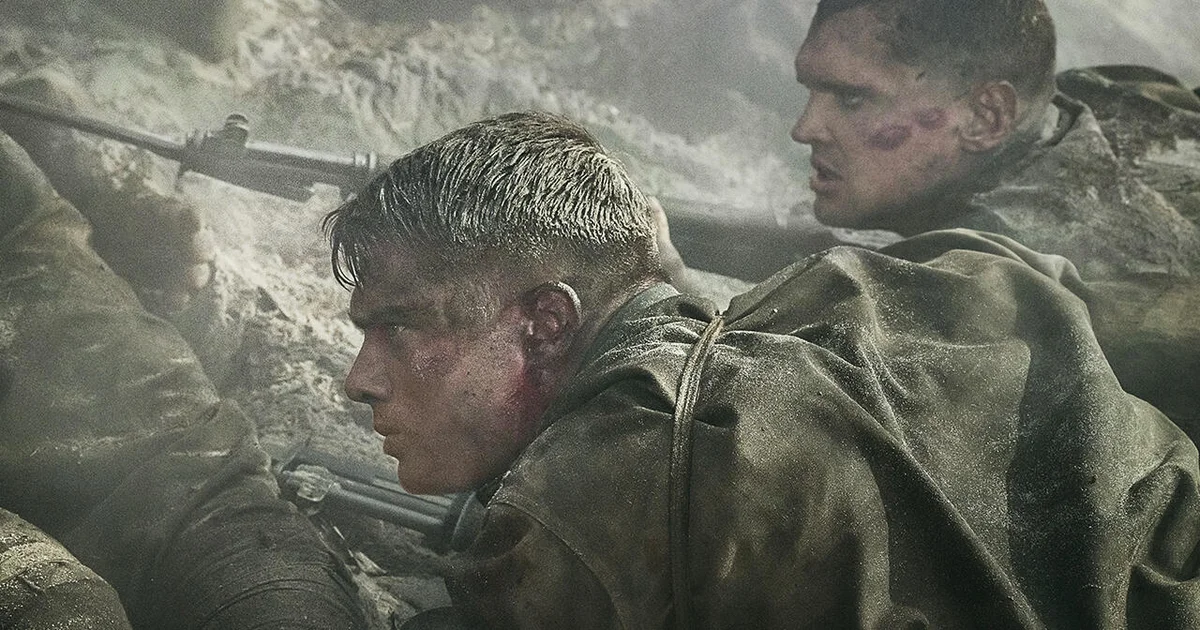

Director Peter Berg’s new film, “The Mosquito Bowl,” seeks to highlight the devastating human costs of war, specifically through the lens of the last great battle of World War II in the Pacific, Okinawa. The narrative is not just about military strategy or epic confrontations but rather focuses on the personal stories of four All-American football players who joined the Marines after Pearl Harbor. Based on the book by Buzz Bissinger, who previously created “Friday Night Lights,” the film aims to remind viewers of the true sacrifices made by those who served, capturing the grim realities faced by the soldiers involved.
| Article Subheadings |
|---|
| 1) The Historical Context of Okinawa |
| 2) The Making of “The Mosquito Bowl” |
| 3) The Personal Touch: Berg’s Motivation |
| 4) A Story of Sacrifice and Memory |
| 5) Reflections on Legacy |
The Historical Context of Okinawa
The Battle of Okinawa, which lasted from April to June 1945, stands as one of the bloodiest confrontations of World War II. Strategically located just 350 miles from mainland Japan, the island served as a vital base for Allied forces preparing for an invasion of Japan. More than 12,000 American soldiers lost their lives in the battle, marking it as one of the last major campaigns of the war. In portraying the events of this battle, Berg captures not only the strategic elements of the fight but also the immense human cost it exacted on those involved.
Okinawa was marked by a brutal ground campaign against Japanese soldiers who were instructed to fight to the last man, reflecting the deeply entrenched cultural belief in honor and sacrifice. For the American troops, entering combat meant grappling with the gruesome realities of warfare. Berg intertwines these harrowing experiences with the true stories of athletes who hoped to exchange the thrill of competitive sports for the glory of serving their country, only to encounter a starkly different reality.
The Making of “The Mosquito Bowl”
Berg’s commitment to authenticity is evident in the filmmaking process of “The Mosquito Bowl.” Drawing on real-life experiences and meticulous research, he constructed a narrative that allows audiences to immerse themselves in the historical events surrounding the battle. Filmed largely on location at Parris Island, South Carolina, where many Marines undergo boot camp training, it mimics the real-life training and camaraderie shared by these young men.
The film is based on Buzz Bissinger’s book, and although it carries the name “Mosquito Bowl,” it is not merely about a football game. Instead, Berg explains that this title symbolizes deeper themes of connection, nostalgia, and the remembrance of a time before the horrors of war. While the action sequences are intended to be intense and reflective of wartime chaos, Berg has emphasized that this film seeks to showcase the empathy and humanity of its characters.
Berg has openly expressed his desire for the audience to feel the weight of these experiences, saying, “I want people to say, ‘I felt that. I felt it. I didn’t think about it, but I felt it.'” This approach underlines the film’s commitment to revealing the visceral truth behind combat, as well as the emotional toll it takes on those involved.
The Personal Touch: Berg’s Motivation
A driving force behind Berg’s dedication to storytelling is his own familial connections to military service. With a father who fought bravely as a Marine during the Korean War and is interred at Arlington Cemetery, Berg has a personal stake in representing the sacrifices made by service members. This connection is not merely anecdotal, as he has openly shared the emotional journey involved in realizing this project, often discussing conversations he has with his late father when reflecting on the significance of “The Mosquito Bowl.”
His father’s legacy influences Berg’s direction and vision, driving him to honor those who serve. The moments of vulnerability where Berg recalls his father’s memory resonate throughout the production, revealing how personal experiences and familial ties can shape storytelling, especially when depicting historical events such as the battle at Okinawa.
A Story of Sacrifice and Memory
At the heart of “The Mosquito Bowl” lies a narrative constructed from the memories and experiences of real individuals who participated in both the football game and the calamities of war. A poignant illustration comes from Marine veteran Neal McCallum, who, at 99 years old, shared his own recollections of the game played on Guadalcanal before facing combat at Okinawa. For McCallum and many others, that football game served as a brief escape, a moment that underscored fragments of normalcy before they were thrust into the horrors of battle.
Despite the hope of revisiting joyful times through sports, the reality was starkly different. Berg plays the commanding general in the film, and his character faces the grim truth: “There’s nothing I would like more than to tell you it’s going to get easier. It’s not.” This line encapsulates the palpable tension of having faced unimaginable situations, where camaraderie clashes against the backdrop of loss and suffering. The Mosquito Bowl serves as a metaphorical representation of the struggles faced not just on the battlefield but in coming to terms with the monumental sacrifices made.
Reflections on Legacy
In the aftermath of the battle at Okinawa, the sacrifices made by American soldiers, including those who played in the Mosquito Bowl, are embedded in the nation’s historical memory. More than 12,000 American lives were lost, yet the catastrophic toll on Japanese soldiers and Okinawan civilians was immense, reinforcing themes of both heroism and tragedy that run throughout the film. Berg seeks to convey the magnitude of these losses, not just through numbers but by connecting them to personal narratives that evoke deep empathy.
Berg’s film aims to evoke conversations about the cost of war in contemporary society, where the experiences of soldiers often remain forgotten or diminished. “How can you forget something like that?” McCallum reflects, embodying this sentiment by emphasizing how such profound experiences linger in the consciousness of those who endured them. Ultimately, “The Mosquito Bowl” represents a collective memory, urging newer generations to recognize and remember the sacrifices that form the very fabric of our shared history.
| No. | Key Points |
|---|---|
| 1 | The Battle of Okinawa was one of WWII’s bloodiest confrontations, with over 12,000 American soldiers losing their lives. |
| 2 | Director Peter Berg emphasizes the human cost of war and aims to portray the emotional weight of soldiers’ experiences. |
| 3 | Berg draws on personal connections, including his father’s military service, to frame the film’s narrative. |
| 4 | The film features stories of real veterans, like Neal McCallum, who illustrate both camaraderie and the harsh realities of battle. |
| 5 | Berg seeks to create a lasting legacy and prompt discussions about the sacrifices made by service members in war. |
Summary
“The Mosquito Bowl” by Peter Berg serves as a poignant reminder of the sacrifices made during the Battle of Okinawa, emphasizing that the costs of war extend far beyond immediate tactical gains. Through immersive storytelling and personal connections, the film endeavors to honor the memory of those who served, evoking empathy and reflection on the human experiences that define warfare. As audiences engage with this narrative, they are reminded of the price paid for freedom and the ongoing need to recognize the sacrifices of veterans.
Frequently Asked Questions
Question: What is “The Mosquito Bowl” about?
“The Mosquito Bowl” is a film that portrays the experiences of four All-American football players who joined the Marines during World War II. The narrative focuses on their journey into combat during the Battle of Okinawa and the profound human costs associated with war.
Question: Who directed “The Mosquito Bowl”?
Peter Berg directed “The Mosquito Bowl.” He is known for his previous works, including “Friday Night Lights,” which helped establish his reputation in cinematic storytelling focused on sports and human experiences.
Question: Why is the film named “The Mosquito Bowl”?
The film’s title refers to a memorable football game played by Marine regiments on Guadalcanal before they shipped out for Okinawa. It symbolizes the camaraderie and normalcy sought by the young soldiers before entering the harrowing battlefield.
