

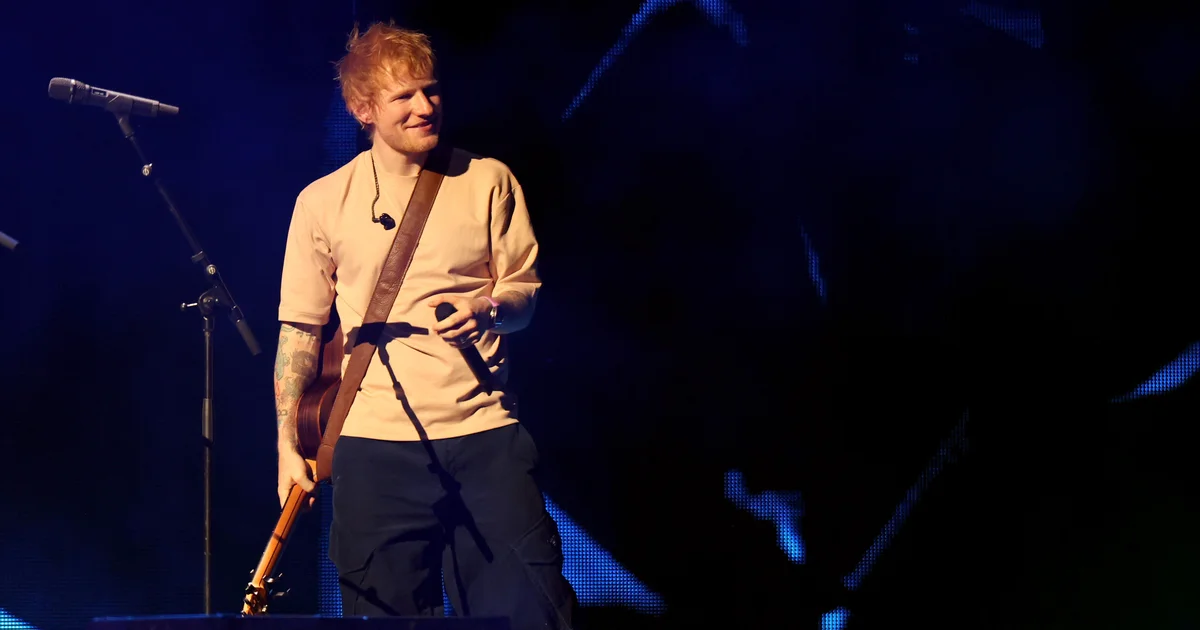

The ongoing Gaza conflict has sparked significant political repercussions within the music industry following a series of controversial events surrounding Ed Sheeran’s current U.S. tour. After rapper Macklemore was removed from the tour due to his pro-Palestinian comments, several supporting acts announced their withdrawal, citing strong political sentiments. This decision deepens the discourse around celebrity activism and the interplay of art and political expression.
| Article Subheadings |
|---|
| 1) The Controversial Removal of Macklemore |
| 2) Supporting Acts Respond to Political Pressure |
| 3) The Role of Promoters and Venue Power |
| 4) Artists and Political Expression |
| 5) Summary of Events and Future Implications |
The Controversial Removal of Macklemore
The recent decision to expel rapper Macklemore from Ed Sheeran’s U.S. tour was fueled by comments he made during a concert on September 5 at MetLife Stadium in New Jersey, where he embraced pro-Palestinian advocacy. Specifically, Macklemore stated “Free Palestine!” while introducing his song “Hind’s Hall,” a piece highlighting social justice. His remarks quickly met backlash, especially from certain powerful stakeholders in the music industry, leading to his removal. “To all of my Jewish brothers and sisters, criticism of Israel, criticism of apartheid, being against genocide, it in no way is criticism of you,” he clarified during the concert.
Supporting Acts Respond to Political Pressure
In the immediate aftermath of Macklemore’s ousting, several supporting acts expressed their discontent. Artists such as Aaron Rowe, Beoga, Finneas, and the Danish band Lukas Graham withdrew from the tour, stating their solidarity with Macklemore’s stance on Palestinian rights. These artists cited the historical injustices of their own countries as motivations for their decisions, indicating the personal nature of their political convictions. For instance, Rowe’s statement emphasized, “As Irish people we know all too well about genocide, forced famine and violent occupation,” implying a deep connection to the global struggle for human rights.
The Role of Promoters and Venue Power
The role of promoters and venue owners emerged as critical in the decision to remove Macklemore from the tour. Following his comments, Robert Kraft, owner of the NFL’s New England Patriots and the venue where the concert was held, reportedly influenced the decision to prohibit Macklemore from performing as Sheeran’s opening act. His group stated that Macklemore’s comments constituted a “broader history of antisemitic rhetoric” that offended the Jewish community. This situation underscores a significant point regarding the balance of power in the entertainment industry, where financial stakeholders can dictate the terms under which artists operate.
Artists and Political Expression
The recent controversies illustrate the latitude artists have in their expression and the potential pushback they can face from institutional powers. Macklemore’s attempt to advocate for a political cause reflects a broader trend where musicians use their platforms to address social issues. However, the implications of such actions can have serious professional repercussions, as indicated by the withdrawal of his fellow musicians. Finneas stated, “Artists must not be silenced when they speak up for the oppressed,” a powerful testament to the broader artistic community that seeks to amplify marginalized voices. As artists grapple with their roles as public figures and activists, the dilemma becomes stark: should they risk their careers in pursuit of social justice?
Summary of Events and Future Implications
As the conflict in Gaza continues, it shapes public discourse not only in politics but also in the entertainment industry. The implications of Macklemore’s removal and the subsequent withdrawal of supporting acts signal a critical moment in artist activism. With Sheeran maintaining that the decision was not his, he faced the precarious position of appeasing the political climate while striving to keep his tour intact. “I respect Macklemore’s strength of purpose to stand up and shout for what he believes,” he noted, capturing the ongoing tension artists face between their personal convictions and the expectations of their professional roles. As the situation evolves, the impact on artists’ careers and public perceptions of celebrity activism will undoubtedly continue to unfold.
| No. | Key Points |
|---|---|
| 1 | Macklemore was removed from Ed Sheeran’s tour after voicing pro-Palestinian sentiments during a concert. |
| 2 | Supporting acts, including Finneas and Beoga, withdrew from the tour in solidarity with Macklemore. |
| 3 | Robert Kraft, the owner of the MetLife Stadium and other venues, played a significant role in the decision-making process. |
| 4 | The controversy reflects a larger dialogue about political expression among artists and the consequences they may face. |
| 5 | The music industry remains a site of tension regarding the balance between political advocacy and commercial interests. |
Summary
The recent developments surrounding the expulsion of Macklemore from Ed Sheeran’s tour bring to the forefront the complexities of celebrity activism within the context of ongoing geopolitical conflicts. With music serving as a platform for social discourse, the challenges these artists face in navigating their political beliefs alongside their careers highlight a critical junction in the arts. As the situation evolves, the music industry will continue to reckon with the implications of political expression, the power dynamics within it, and the conversations artists are willing to engage in on public stages.
Frequently Asked Questions
Question: What led to Macklemore’s removal from the tour?
Macklemore was removed from Ed Sheeran’s tour following his pro-Palestinian comments made during a concert, which drew backlash from certain venues and promoters.
Question: How did supporting artists react to Macklemore’s ousting?
Supporting artists such as Finneas, Beoga, and Lukas Graham withdrew from the tour in solidarity with Macklemore, citing political convictions related to their own historical contexts.
Question: What are the broader implications of these events for the music industry?
These events highlight the tension between artistic expression and commercial interests, raising questions about the accountability of artists and the power of promoters in shaping public discourse on political issues.
