

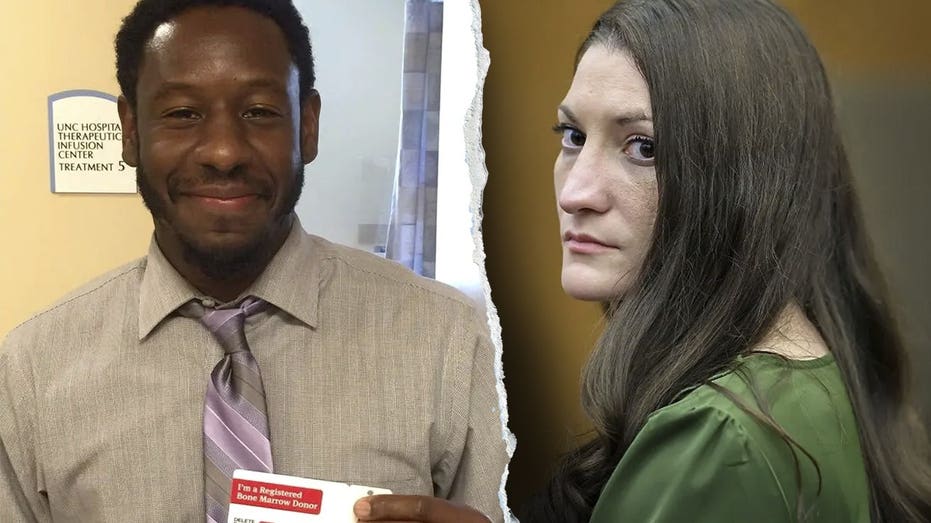

Michael P. Desronvil, the lone juror who prevented a verdict in Lindsay Clancy’s triple-murder trial, plans to issue a personal statement in the near future. His attorney, Edward Paltzik, said jurors must be able to follow the evidence and law without fear of public retaliation. The mistrial left prosecutors and defense attorneys facing several possible next steps, including a retrial, a negotiated resolution or a motion to dismiss. A court hearing scheduled for Sept. 29 is expected to provide more information about the case’s direction.
| 1) | Juror prepares to explain his decision |
| 2) | Mistrial follows divided deliberations |
| 3) | Case centers on criminal responsibility |
| 4) | Public scrutiny intensifies after trial |
| 5) | Prosecutors and defense weigh next steps |
Juror prepares to explain his decision
Edward Paltzik said Michael P. Desronvil would speak in his own words after becoming the focus of intense attention following the mistrial. In a statement posted publicly, Paltzik thanked people who had contacted him to support the juror while acknowledging that others disagreed with Desronvil’s position. The attorney said the juror’s health, safety and well-being were his immediate concerns.
“This country was built on intelligent debate in the public square. That’s the same reason we support the good faith right of an individual juror to follow the evidence and the law to wherever they take him or her, free from fear of reprisal.”
Mistrial follows divided deliberations
Judge William Sullivan declared a mistrial on Sept. 4 after the jury deliberated for seven days without reaching a unanimous verdict. The panel was divided 11-1, with 11 jurors prepared to find Lindsay Clancy not criminally responsible and Desronvil holding out for a conviction. The trial took place in Plymouth Superior Court in Massachusetts and concerned three counts of first-degree murder.
Desronvil later said he believed the prosecution had proved its case. He said he considered the physical evidence, testimony from key witnesses and the prosecution’s presentation before concluding that Clancy understood what she was doing and had planned the killings.
Case centers on criminal responsibility
Lindsay Clancy, 36, was accused of killing her children, 5-year-old Cora, 3-year-old Dawson and 8-month-old Callan, at the family’s home in Duxbury, Massachusetts, in January 2023. The children were found strangled. Clancy admitted killing them, while her defense argued that postpartum psychosis made her not criminally responsible.
Prosecutors maintained that Clancy understood her actions and carried out the killings deliberately. The competing positions placed mental state at the center of the trial and led jurors to evaluate the same evidence under sharply different interpretations of criminal responsibility.
Public scrutiny intensifies after trial
The mistrial pushed the case back into national attention and brought scrutiny to the juror’s decision. Edward Paltzik has described Desronvil as an “American Hero” and “Champion of Justice,” while former prosecutor and behavioral health law specialist Mark Astor said the juror appeared to have hired counsel after being publicly criticized.
The safety concerns emerged as the family’s story received renewed television coverage. Patrick Clancy, the father of the children and Lindsay Clancy’s former husband, discussed his grief and memories of the children in his first television interview. Rachel Danis, his wife, also appeared in the program. Patrick Clancy addressed conspiracy theories that have circulated online since the killings.
Prosecutors and defense weigh next steps
Plymouth County prosecutors have not announced whether they will seek a new trial. The defense has raised the possibility of resolving the case without another trial and retained veteran Boston attorney Martin Weinberg to pursue a motion seeking dismissal on double-jeopardy grounds.
The court’s status hearing on Sept. 29 could clarify whether prosecutors intend to retry Clancy, whether the defense will continue pursuing dismissal or whether the parties will discuss another resolution. Until then, the mistrial leaves the murder charges unresolved and the legal process ongoing.
| Number | Key Point |
|---|---|
| 1 | The jury deadlocked 11-1, producing a mistrial after seven days of deliberations. |
| 2 | The defense attributed the killings to postpartum psychosis and argued Clancy was not criminally responsible. |
| 3 | A Sept. 29 hearing may reveal whether the case proceeds to retrial or dismissal proceedings. |
Summary
The mistrial in Lindsay Clancy’s case followed a fundamental disagreement over whether she was criminally responsible for the deaths of her three children. The juror who held out for conviction is preparing to explain his reasoning while his attorney raises concerns about public retaliation. The next major decision rests with prosecutors and the court, with a status hearing scheduled to address the unresolved case.
Frequently Asked Questions
Why was the Lindsay Clancy trial declared a mistrial?
Judge William Sullivan declared a mistrial after the jury could not reach a unanimous verdict. The panel was split 11-1 after seven days of deliberations.
What was the central issue at trial?
The central issue was whether Lindsay Clancy was criminally responsible for killing her three children or whether postpartum psychosis prevented her from being legally responsible.
What happens next in the case?
Prosecutors may seek a retrial, while the defense may pursue dismissal on double-jeopardy grounds or discuss another resolution. A status hearing is scheduled for Sept. 29.
