

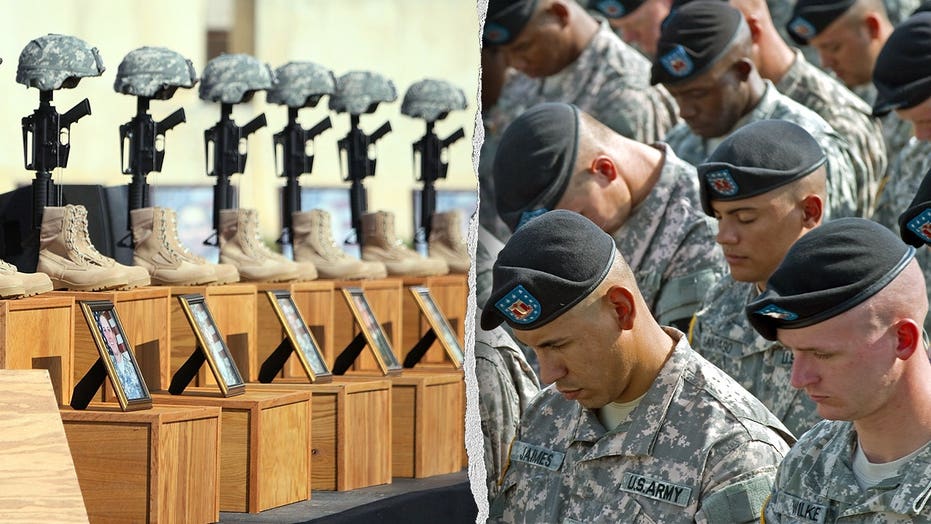

Seventeen years after the Fort Hood shooting, families of three victims are remembering the service, sacrifice and personal values their loved ones left behind. Army psychiatrist Nidal Hasan was convicted of killing 13 people and wounding 31 others at the Texas military installation on Nov. 5, 2009. His military execution is scheduled for Dec. 3, following approval of the sentence by President Donald Trump. While one family views the execution as a long-awaited conclusion, others say they do not need it for closure.
| 1) | The lives and service of three victims |
| 2) | The attack that changed their families forever |
| 3) | A long legal path to the scheduled execution |
| 4) | Families debate justice, closure and public attention |
| 5) | Remembering the fallen through shared traditions |
The lives and service of three victims
Michael Cahill served 23 years in the Army National Guard before becoming a physician assistant and continuing to care for soldiers as a civilian at Fort Hood. His daughter, Keely Cahill Vanacker, remembers his emphasis on compassion, fairness and helping people in need.
Amy Krueger joined the Army after the Sept. 11, 2001, attacks. She served in Afghanistan, trained as a mental health specialist, and completed emergency medical and nursing programs. Justin DeCrow, a satellite communication instructor preparing for an Iraq deployment, was known by colleagues and his wife, Marikay DeCrow, for his humor, work ethic and willingness to support others.
The attack that changed their families forever
On Thursday, Nov. 5, 2009, Hasan opened fire at Fort Hood’s Soldier Readiness Processing Center as service members prepared for overseas deployments. The attack killed 13 people and wounded 31. Cahill, Krueger and DeCrow were among those killed.
The families spent months trying to understand what happened during the shooting. Vanacker later learned that her father had left an examination room, picked up a chair by its legs and moved toward Hasan. DeCrow’s daughter, Kylah, was still an infant and never had the chance to grow up with her father present.
A long legal path to the scheduled execution
A military jury convicted Hasan on all 42 counts in August 2013 and unanimously imposed the death penalty. He remained on military death row for 13 years. In 2015, eligible military victims received Purple Hearts, while qualifying civilian victims, including Cahill, received the Secretary of Defense Medal for the Defense of Freedom.
On Oct. 2, 2026, Trump approved the sentence, and acting Army Secretary Adam Telle directed that Hasan be executed by firing squad on Dec. 3. The execution would be the military’s first since 1961 and its first by firing squad since 1945.
Families debate justice, closure and public attention
Marikay DeCrow said the execution order brought relief after 17 years and that she plans to attend at Fort Hood. She said the method was less important than seeing Hasan face the punishment imposed by the military court.
“This is closure. I’m ready for it to be over,” Marikay DeCrow said.
Vanacker and Krueger said they did not need an execution to move forward. They also questioned whether public attention could serve Hasan’s desire to become a martyr. A proposal to livestream the execution drew criticism from the families before Trump canceled it. Krueger called the proposed broadcast disrespectful, while Vanacker urged Congress to prohibit livestreamed military executions.
Remembering the fallen through shared traditions
Nov. 5 remains focused on remembrance rather than Hasan for the families. Krueger’s family visits Amy’s cemetery and supports a scholarship in her name through an annual fundraiser known as Krueg’s Crawl. Vanacker’s family visits Cahill’s grave, leaves flowers and recalls his encouragement: “It builds character, kid.”
The families have also formed a lasting bond through anniversaries and memorial gatherings. Their shared grief continues to connect them as they preserve the legacies of people remembered for service, courage and care for others.
| No. | Key Point |
|---|---|
| 1 | The Fort Hood attack killed 13 people and wounded 31 on Nov. 5, 2009. |
| 2 | Hasan was convicted in 2013 and sentenced to death by a military jury. |
| 3 | His execution by firing squad is scheduled for Dec. 3, 2026. |
| 4 | Victims’ families hold differing views on whether the execution brings closure. |
Summary
The families of Michael Cahill, Amy Krueger and Justin DeCrow continue to honor the people they lost in the Fort Hood attack. Hasan’s scheduled execution marks a significant legal development, but the families’ central focus remains remembrance, service and the enduring influence of the victims.
Frequently Asked Questions
What happened at Fort Hood in 2009?
On Nov. 5, 2009, Army psychiatrist Nidal Hasan opened fire at Fort Hood, killing 13 people and wounding 31.
When is Hasan’s execution scheduled?
The military has scheduled Hasan’s execution by firing squad for Dec. 3, 2026.
How do the families view the execution?
Marikay DeCrow described it as closure, while Keely Cahill Vanacker and Jeri Krueger said they did not need the execution for personal closure and were concerned about giving Hasan additional attention.
