

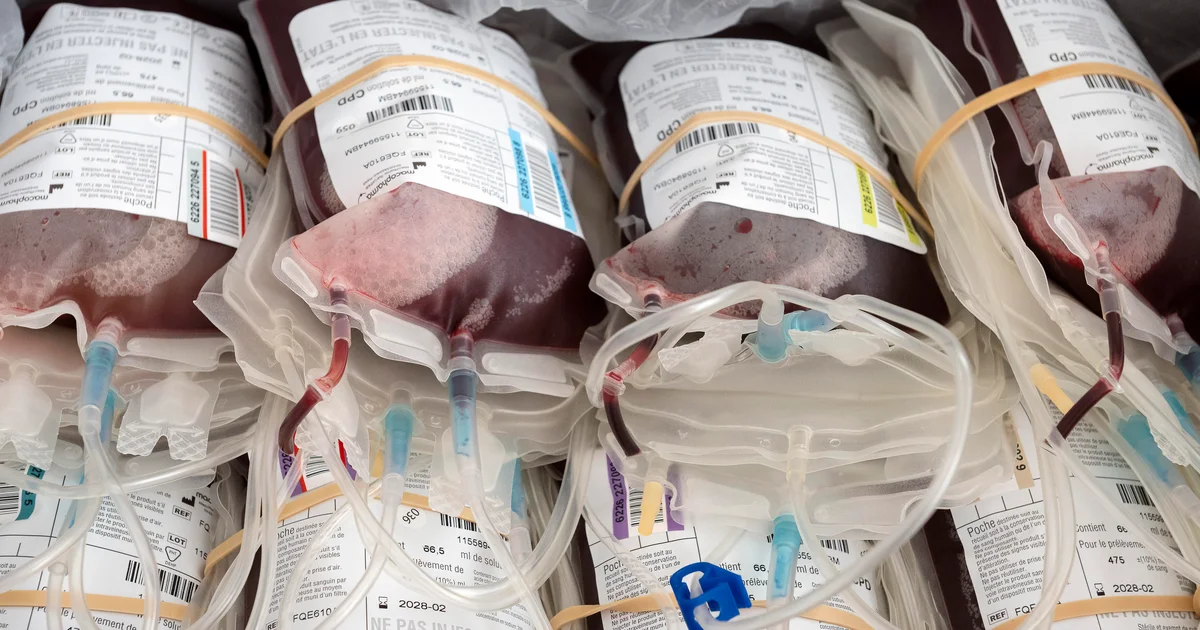

A recent cyberattack targeting several blood banks in France raised alarms regarding the potential risks to critical health infrastructure. French authorities confirmed that the attack aimed to increase the temperatures at cold-storage facilities to detrimental levels but was halted before it could inflict harm. This incident follows similar attacks on refrigeration systems in European supermarkets, stirring concerns about the security of internet-connected technologies in crucial sectors.
| Article Subheadings |
|---|
| 1) Overview of the Cyberattack Incident |
| 2) Details on the Targeted Facilities |
| 3) Implications for Blood Banks and Patients |
| 4) Recent Cyberattacks on Supermarkets |
| 5) Ongoing Investigations and Security Measures |
Overview of the Cyberattack Incident
On a recent Monday, an aggressive cyberattack was launched against the French Blood Establishment (EFS), prompting immediate emergency measures. The EFS reported that the attack attempted to manipulate the temperature settings at three of its plasma cold-storage facilities, raising them to unacceptably high levels intended to compromise the integrity of blood products and samples. However, proactive monitoring systems were able to identify and rectify the issue before any damage occurred.
French authorities have emphasized the potential consequences of such cyberattacks in critical infrastructure sectors, particularly those involving healthcare. The incident echoes a growing trend of similar attacks on essential services across Europe, raising red flags about the vulnerabilities inherent in modern technological advancements.
Details on the Targeted Facilities
The cyberattack specifically targeted a supplier, Coolworld, which provides refrigeration equipment crucial for maintaining the proper storage conditions of plasma products. The EFS revealed that the attackers sought to reset standard temperature limits—from a safe minus 22 degrees Fahrenheit (minus 30 degrees Celsius) to as high as 230 degrees Fahrenheit (110 degrees Celsius). The risks associated with such a drastic increase in temperature included the degradation of blood products vital for transfusions and medical manufacturing.
Thanks to a quick response from monitoring systems, the EFS successfully secured the plasma bags before the temperature changes could affect their viability. Operations at the blood banks were reported to be uninterrupted, ensuring the continued provision of essential blood products to hospitals and healthcare facilities across the region.
Implications for Blood Banks and Patients
The implications of this cyberattack are broader than merely a loss of plasma or blood products. The EFS, in its statement, reassured the public that no health consequences had been reported, but authorities remain vigilant. The ongoing threat of cyberattacks complicates the landscape of healthcare security, as any disruption could have immediate and life-threatening consequences for patients relying on blood and plasma for treatments.
Healthcare organizations must now reconsider their cybersecurity strategies, to address both current vulnerabilities and potential future attacks. The experience from this incident could serve as a learning opportunity for blood banks and similar institutions globally, further emphasizing the need for enhanced protective measures against cyber threats.
Recent Cyberattacks on Supermarkets
Similar attacks have been observed across European supermarkets, where refrigeration units were compromised, leading to significant financial losses and disruption in food supplies. For instance, one major supermarket chain in the Netherlands reported a projected loss of $281 million in sales due to cyber disruptions experienced in mid-October. These incidents collectively highlight the increasing prevalence of cyber threats in sectors traditionally considered safe from digital infractions.
As supermarkets grappled with the repercussions, multiple chains proactively took their systems offline to secure their operations and mitigate further risks. The vulnerability highlighted in the food sector, alongside the attacks on critical healthcare infrastructure, sparks a wider conversation regarding the security protocols in place across various industries.
Ongoing Investigations and Security Measures
In response to the cyberattack on blood banks, France’s national cybersecurity agency is currently investigating the incident alongside the Health Ministry. This collaborative effort seeks to determine the perpetrators behind the attack, although no clear suspects have been identified so far. Meanwhile, Coolworld has acknowledged the breach, stating that the vulnerability resulted from a component supplied by a third party, emphasizing that measures are underway to remediate the situation and strengthen security protocols.
The interplay between technology and cybersecurity highlights a crucial aspect of modern operations; agencies and companies must be continually prepared against evolving threats. This incident serves as a reminder of the priorities around safeguarding vital infrastructures that must not be overlooked in an increasingly digital landscape.
| No. | Key Points |
|---|---|
| 1 | A cyberattack targeting French blood banks attempted to raise system temperatures to harmful levels. |
| 2 | Monitoring systems detected the anomaly, averting potential damage to blood products. |
| 3 | The incident is part of a worrying trend of cyberattacks against essential services across Europe. |
| 4 | Investigations are ongoing to determine the attack’s source and prevent future breaches. |
| 5 | The event has sparked a discussion on enhancing cybersecurity protocols in critical healthcare facilities. |
Summary
The attempted cyberattack on the French Blood Establishment underscores the vulnerabilities faced by critical infrastructure in modern society. With increasing reliance on technology for essential services, the importance of robust cybersecurity measures cannot be overstated. The response from authorities and organizations will shape the future of both healthcare and other affected sectors, as they seek to safeguard against ever-evolving cyber threats.
Frequently Asked Questions
Question: What actions were taken to prevent damage from the cyberattack?
Monitoring systems quickly detected the rise in temperature at the blood banks, allowing staff to take immediate action to secure the blood products.
Question: What are the implications of cyberattacks on critical healthcare infrastructure?
Cyberattacks on healthcare can lead to compromised patient safety, disrupted services, and loss of essential medical resources, making cybersecurity a critical concern.
Question: How have recent cyberattacks affected supermarkets in Europe?
Recent cyberattacks on supermarkets have resulted in significant financial losses, with some chains projecting losses in the hundreds of millions, alongside disruptions in food supplies.
