

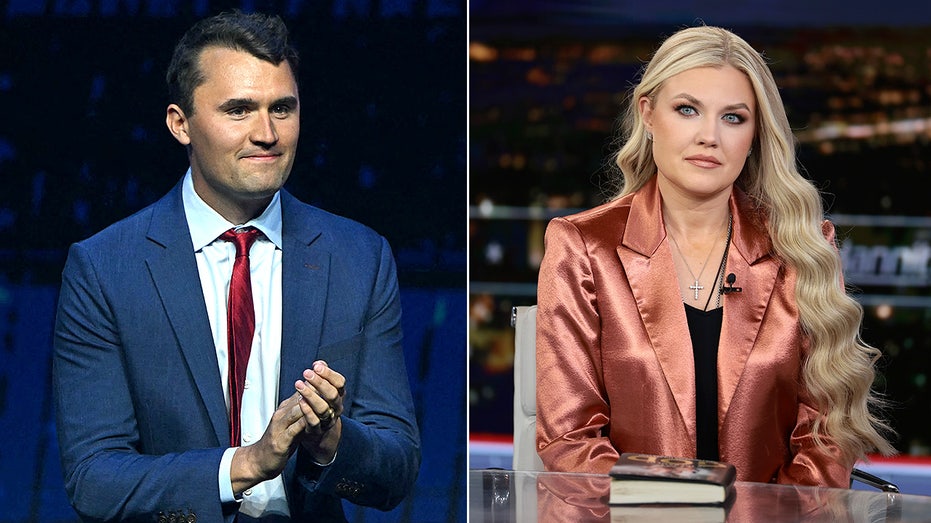

Utah Valley University has released a 158-page independent review into the September 2025 assassination of Charlie Kirk during a public event on campus in Orem, Utah. The review identified 10 key findings and concluded that no university employee acted in bad faith or with willful and wanton disregard for safety. It also found inconsistent application of university policies, insufficient security for a high-profile outdoor event and no police employee assigned to monitor campus security cameras. The report recommends changes to staffing, training, planning and coordination for future events.
| 1) | Review outlines findings and conclusions |
| 2) | Security planning and staffing gaps |
| 3) | Timeline of decisions before the event |
| 4) | Rooftop concerns and competing accounts |
| 5) | University response and next steps |
Review outlines findings and conclusions
The review was conducted independently by the Lake Forest Group and commissioned and released by Utah Valley University on September 25, 2026. It examined the planning and security arrangements surrounding Charlie Kirk’s appearance at the university on September 10, 2025, where he was shot and killed while speaking in a central outdoor courtyard.
The report identified 10 key findings intended to improve safety at future events. Although it documented weaknesses in policy application and event security, it concluded that no one at the university acted in bad faith or showed willful and wanton disregard for the safety of others.
Security planning and staffing gaps
According to the review, university policies were applied inconsistently during preparations for the event. Reviewers found that security arrangements were inadequate for a prominent outdoor appearance and that no member of the university police department had been assigned to monitor campus security cameras.
The report recommended that the university reassess police staffing levels and training in light of its size and the risks associated with large or high-profile gatherings. It also noted that systems designed to identify internal threats after the 2007 Virginia Tech shooting would not have addressed the case because the accused gunman, Tyler Robinson, had no connection to the university.
Timeline of decisions before the event
The review traced major developments from July 10 through September 9, 2025 and identified key decision points beginning August 25. On that date, the outdoor courtyard remained the planned venue despite concerns among university officials about their ability to control the location. The event was approved two days later without a documented security assessment plan.
University police and Turning Point USA security personnel held their first direct security coordination on September 3, one week before the event. On September 8, organizers raised concerns about rooftop access near the speaking area. On the day of the event, Tyler Robinson allegedly reached the roof of the Losee Center, northeast of the courtyard, and fired the fatal shot.
Rooftop concerns and competing accounts
The report said Jeffrey Long, the university police chief, texted Turning Point USA security supervisor Dan Flood, “We got you covered.” Reviewers interpreted the message as referring to the Hall of Flags outdoor pedestrian walkway rather than the Sorensen Center rooftop identified in a legal filing by Charlie Kirk’s family.
The Hall of Flags walkway was closed for the event, but the review found that Turning Point USA security did not meet university police in person. It said the security team’s primary focus in text exchanges was the walkway above the canopy where Charlie Kirk was scheduled to speak. The review’s account differs from the family’s allegation that the rooftop concern involved the Sorensen Center.
“This report reaffirms the facts we laid out in our Notice of Claim: that UVU security was woefully understaffed and unprepared to manage the obvious risks associated with an event of this nature,” family attorney Brett Parkinson said.
University response and next steps
A university spokesperson said the school had no further comment beyond a statement issued for President Jon Anderson. The president said the institution would study the findings, examine its policies and practices and implement the recommendations.
“September 10 will always be part of UVU’s history, but it will not define our future,” Jon Anderson said. “Our responsibility is to care for our community, learn from the findings of this review and follow through on its recommendations.”
The report’s recommendations focus on practical changes to event planning, staffing, training, camera monitoring and coordination between university police and outside security teams. The findings are expected to inform how the university hosts future public events while continuing to support free expression on campus.
| Number | Key Point |
|---|---|
| 1 | The independent review covers the September 10, 2025 shooting at Utah Valley University. |
| 2 | It identified 10 findings and found no evidence of bad faith by university personnel. |
| 3 | Security staffing, training, policy application and camera monitoring were identified as weaknesses. |
| 4 | The review and the Kirk family offer different accounts of which rooftop area was discussed. |
| 5 | The university says it will use the recommendations to improve future event security. |
Summary
Utah Valley University’s review presents a detailed account of the planning failures and coordination gaps surrounding the fatal shooting of Charlie Kirk. While it rejects a finding of bad faith, it calls for stronger security planning, better staffing and clearer coordination for high-profile outdoor events. The university has committed to examining the findings and applying the recommendations to future campus operations.
Frequently Asked Questions
What did the Utah Valley University review examine?
It examined the planning, security arrangements and major decisions surrounding Charlie Kirk’s September 10, 2025 appearance and killing on campus.
What were the main security problems identified?
The review cited inconsistent policy application, insufficient security for an outdoor high-profile event, inadequate staffing and the absence of a police employee assigned to monitor campus cameras.
Did the review find that university employees acted in bad faith?
No. The review concluded that no one at the university acted in bad faith or with willful and wanton disregard for the safety of others.
What changes did the review recommend?
It recommended reevaluating staffing levels and training, improving event security planning and strengthening coordination between university police and outside security personnel.
