

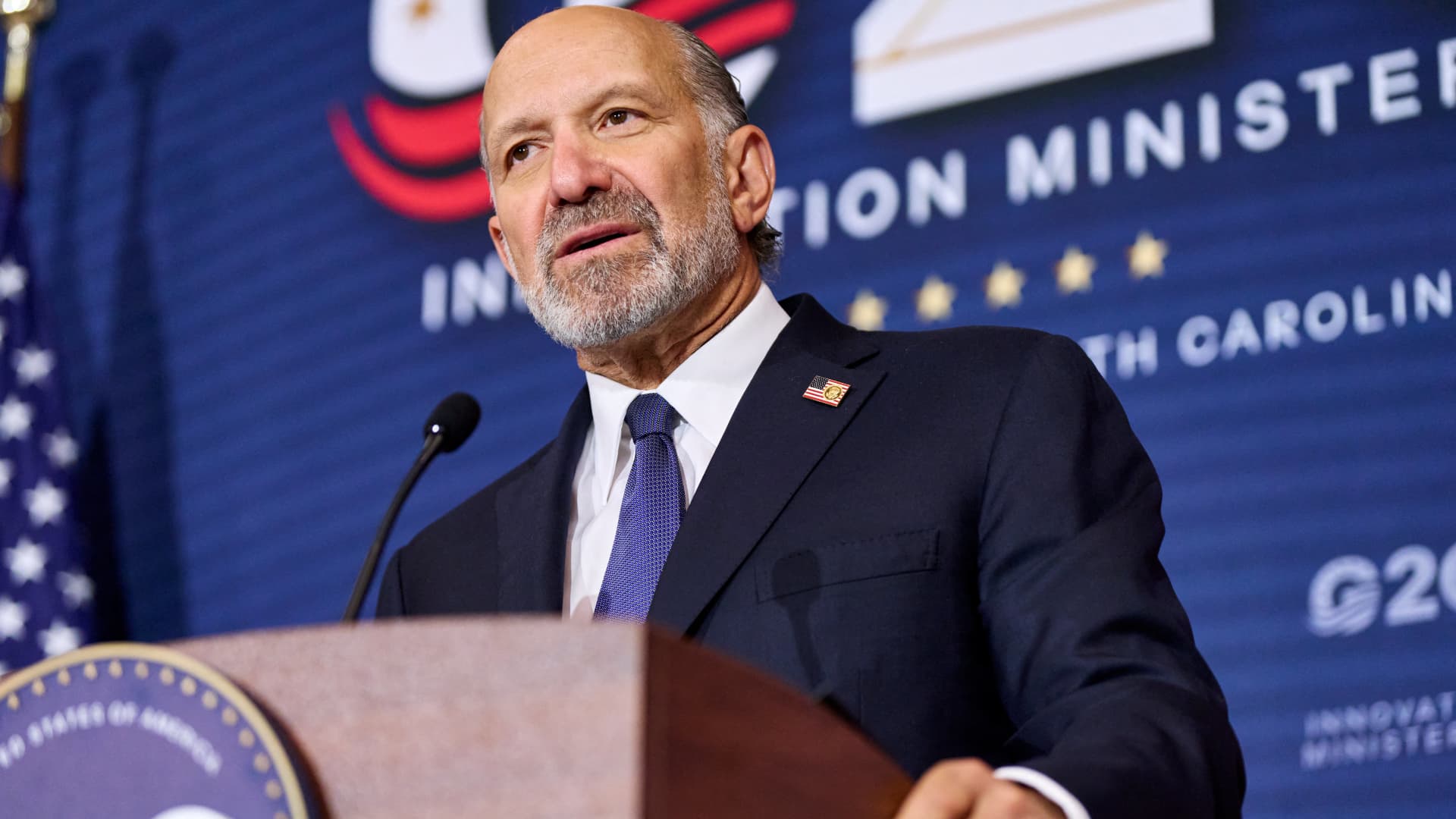

In recent months, scrutiny has intensified surrounding Howard Lutnick, the U.S. Secretary of Commerce, and his ties to Nvidia, a prominent chipmaker. Following allegations of connections to potential espionage activities and a crackdown on companies accused of funneling advanced chips to China, Lutnick has faced pressure from various quarters, including the White House and members of Congress. Amid a backdrop of declining Nvidia shareholdings by Cantor Fitzgerald, the investment firm previously led by Lutnick, questions are emerging about the ethical implications and motivations behind these financial maneuvers.
| Article Subheadings |
|---|
| 1) A shrinking Nvidia position |
| 2) Classified warnings and a $3 billion deal |
| 3) Beyond the stock |
| 4) Political and ethical implications |
| 5) Ongoing scrutiny and future repercussions |
A shrinking Nvidia position
Cantor Fitzgerald’s involvement with Nvidia, which was once one of its largest stock holdings, has been notably reduced in recent months. Before Howard Lutnick transitioned from Wall Street to a government role as Commerce Secretary in February 2025, Cantor had disclosed more than 3.5 million Nvidia shares, valued at approximately $479 million. However, by the end of March 2026, the firm’s holdings reportedly decreased by nearly 50%, plunging to just 1.78 million shares worth a mere $310 million. This significant sell-off coincided with increasing pressures from government officials, advocating for a crackdown on Megaspeed, a firm linked with Nvidia’s chip distribution in China.
The decline of Nvidia shares was closely mirrored by geopolitical tensions around the export of advanced technology to China. As pressure mounted from various U.S. intelligence entities, concerns surrounding executive Jensen Huang, particularly regarding his ties to a suspected spy, began taking center stage. Observers noted the interplay between Nvidia’s business dealings, Cantor’s stock position, and the shifting political landscape, raising questions about the motivations behind Lutnick’s decisions as Commerce Secretary.
Classified warnings and a $3 billion deal
As the Trump administration’s worries about Huang escalated earlier this year, Cantor played a supporting role in financing Nvidia’s growth. A remarkable five-year, $3.4 billion contract was unveiled between Nvidia and Australia’s cloud computing provider IREN, with Cantor acting as one of the principal bookrunners of the issuance of a convertible bond that raised $3 billion for IREN shortly after the classified intelligence warnings regarding Huang surfaced. Despite the potential implications of these warnings, the partnership and financing continued, underscoring a possible dissonance within the administration regarding Nvidia’s business expansions and national security concerns.
On May 12, after Huawei’s ties to espionage surfaced, Cantor facilitated the bonds that would inject considerable capital into IREN while also maintaining close links with Nvidia. This series of events transpired against a backdrop marked by an apparent easing of scrutiny toward major Chinese technology firms, including the granting of permissions for certain entities to acquire Nvidia’s chips despite ongoing national security assessments. Such a sequence of approvals being given amidst rising concerns has raised eyebrows about the decision-making process within the Commerce Department and the implications of those choices.
Beyond the stock
Beyond merely holding shares, Cantor Fitzgerald’s engagement with Nvidia and its affiliates extends into significant financing ventures. Following the financing agreement with IREN, Cantor advised on a $600 million financing initiative for Lancium, an AI infrastructure developer establishing a massive data center campus in Texas. The intricate web of relationships indicates that Cantor isn’t merely an investor in Nvidia shares but an active participant in the broader ecosystem that includes pivotal business partners, shaping the advancement of AI infrastructure development.
In the case of Lancium, Nvidia’s investment of $2 billion and the subsequent engagements further exemplify how Cantor has directly supported ventures linked to Nvidia’s operational sphere, amplifying its financial footprint in markets that intertwine business interests with governmental oversight and implications. This symbiotic relationship raises questions about the influence of business investments on political decisions and the regulating of technology exports.
Political and ethical implications
The ethical concerns surrounding Lutnick’s role and the declining Nvidia holdings have extended into political discourse. With members of Congress urging Lutnick to review Nvidia’s export licenses amidst ongoing federal investigations into companies allegedly smuggling chips to China, the political pressure on the Secretary has intensified significantly. Prominent senators, including Elizabeth Warren and Jim Banks, have openly challenged the Commerce Department’s actions, indicating that a failure to address these national security threats could reflect poorly on the administration as a whole.
Concerns over the intertwining of Lutnick’s family business ventures and his governmental role evoke discussions on regulatory accountability. An ethics expert highlighted that while there is no tangible evidence that non-public information was shared improperly between Lutnick and Cantor, “the appearance doesn’t look great.” This delicate balance of navigating corporate interests while holding a significant administrative role encapsulates the events unfolding, ultimately leading to potential investigations into the ethical lapses that may have occurred. Both public and private entities are now being held accountable for their roles in managing technology that straddles the lines of national security and commercial growth.
Ongoing scrutiny and future repercussions
The House and Senate are poised for further investigations as the implications of these financial and ethical entanglements unravel. The fallout from Lutnick’s dealings has prompted calls for more stringent oversight of the connections between government officials and the companies they oversee, primarily in sectors that involve critical technology exports. The democrats in the Senate voiced a direct interest in examining Howard Lutnick’s dual roles to ascertain whether he utilized his governmental authority in ways that unduly benefited his family’s business interests.
Failure to address the evident conflicts of interest could lead to considerable ramifications for both Lutnick and the Commerce Department. Analysts and congressional members alike have pointed out that not only could this draw ongoing negative publicity toward the administration, but also potentially hinder the U.S.’s interests in technological innovation relative to its competing nations. As investigations unfold, the resolve of the administration to handle such complex ethical challenges will be tested, determining its credibility and influence both domestically and internationally.
| No. | Key Points |
|---|---|
| 1 | Cantor Fitzgerald significantly reduced its Nvidia shares amidst scrutiny over potential espionage links. |
| 2 | Political pressures have led to calls for a review of export licenses tied to Nvidia. |
| 3 | Lutnick’s financial dealings with Nvidia partners raise ethical questions. |
| 4 | The administration faces pressure as allegations regarding Nvidia’s links to espionage emerge. |
| 5 | Congressional and Senate investigations could have a lasting impact on U.S. export policies for technology. |
Summary
The unfolding narrative surrounding Howard Lutnick, Nvidia, and Cantor Fitzgerald significantly highlights the intertwining of business interests and governmental roles. As the scrutiny leverages pressing questions concerning ethical governance and national security, the need for transparency and accountability within both public and private sectors becomes increasingly paramount. The implications of these events resonate deeply, propelling ongoing discussions about the future of technology exports and the governance of influential figures within this crucial sector.
Frequently Asked Questions
Question: What prompted the scrutiny on Howard Lutnick and Nvidia?
The scrutiny arose amidst concerns about potential espionage links between Nvidia and China, particularly involving CEO Jensen Huang’s ties to suspected spies, leading to increased pressure on Lutnick from U.S. intelligence and Congress.
Question: How did Cantor Fitzgerald’s stock position in Nvidia change?
Cantor Fitzgerald’s shareholdings in Nvidia dropped significantly, by nearly 50%, from over 3.5 million shares to about 1.78 million shares within a few months as pressures from government officials intensified.
Question: What are the possible repercussions of these events for the U.S. government?
The U.S. government may face increased scrutiny and calls for investigations into the ethical conduct of public officials, particularly in relation to how they manage ties between corporate interests and national security.
