

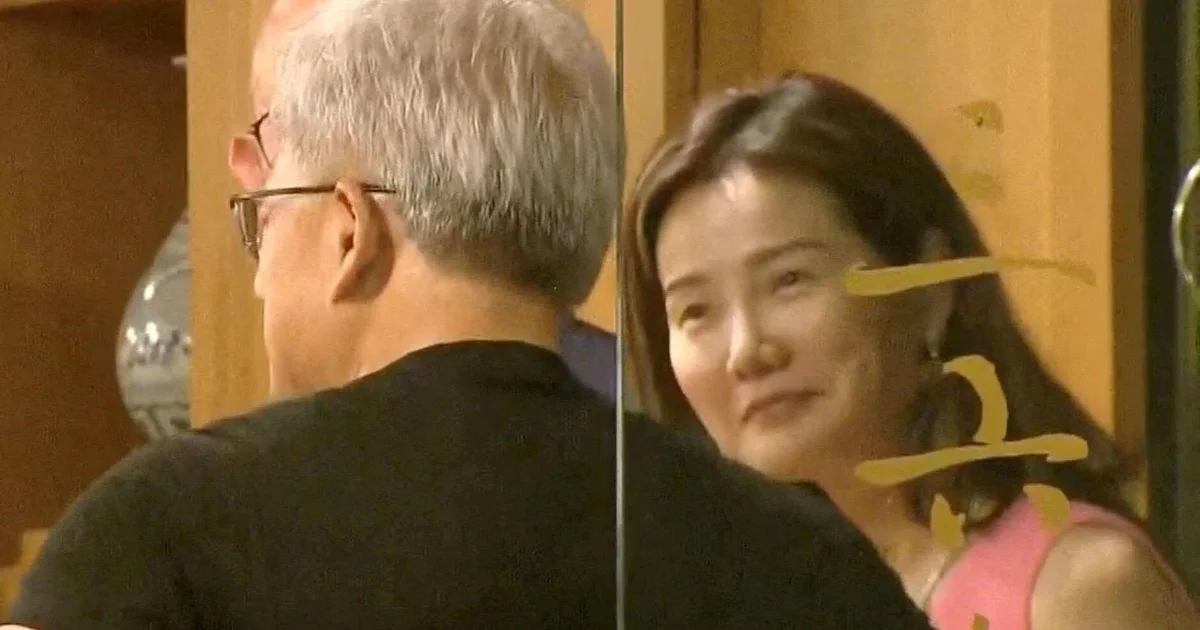

In a significant development tied to international espionage and advanced technology, Singaporean authorities have held the passport of then-Megaspeed chief executive Alice Huang for eight months starting in June 2025. This unprecedented action was taken while authorities sought assistance from the U.S. government regarding their investigation of the potential shipment of Nvidia’s advanced chips to China. Despite multiple requests for cooperation, U.S. officials reportedly did not provide substantial assistance during this period.
This investigation comes in the wake of a broader scandal involving the high-tech industry and accusations of espionage, which have significant implications for U.S.-China relations. The situation is complicated by a rumored extramarital affair that has implicated not just Huang but also key figures in Silicon Valley.
The following article examines the key components of this complex narrative, exploring the investigations, allegations, and responses from various stakeholders involved in this unfolding drama.
| Article Subheadings |
|---|
| 1) Timeline of Events in the Investigation |
| 2) The Role of U.S. Authorities and Their Response |
| 3) Allegations of Espionage and Corporate Misconduct |
| 4) International Reactions and Political Implications |
| 5) Singapore’s Stance and Future Actions |
Timeline of Events in the Investigation
The investigation into Alice Huang and her role in Megaspeed began in February 2025, with Singaporean authorities examining the potential connection between her company and the California-based technology firm Supermicro. The core of the inquiry revolves around whether Megaspeed facilitated the illegal shipment of computer servers, embedded with advanced Nvidia chips, to China. On June 2025, Alice Huang arrived in Singapore for what was described as a voluntary interview with U.S. trade regulators. However, following the interview, Singaporean police seized her passport to prevent her from leaving the country during the ongoing investigation.
As part of standard procedures, the U.S. Bureau of Industry and Security sought to verify the proper importation of gadgets, overseeing the legality of trade practices involving sensitive technology. Singapore’s Home Affairs Ministry confirmed that they contacted U.S. authorities on multiple occasions, seeking assistance to trace the destination of the devices that were supposed to be bound for Megaspeed’s declared clients. The situation escalated over the months, leading to heightened scrutiny over transactions involving high-value technology.
The Role of U.S. Authorities and Their Response
As the investigation evolved, the cooperation from U.S. authorities drew significant concern. Reports indicated that Washington officials did not engage meaningfully with Singapore’s requests for assistance, leaving local authorities without crucial support in their inquiries. According to sources, U.S. government representatives were “not forthcoming” regarding the acquisition details, which created frustrations among Singaporean investigators who were eager to obtain precise documentation regarding the shipments handled by Supermicro.
The impasse between Singapore and Washington raises questions about intergovernmental collaboration, especially in light of growing competition in the tech sector. The scrutiny focused on ensuring that sensitive technological advancements do not fall into the wrong hands, particularly amidst escalating geopolitical tensions.
Allegations of Espionage and Corporate Misconduct
At the heart of the investigation is the suspicion that Alice Huang is linked to espionage, raising alarm bells in both Singapore and the U.S. Her name surfaced not solely due to corporate dealings but also because of an alleged extramarital affair with Jensen Huang, the founder of Nvidia. This personal relationship sparked additional media attention, complicating the narrative by intertwining corporate investigations with personal scandals.
The Singaporean authorities specifically allege that Huang might have provided false statements regarding the acquisitions from Supermicro, implying potential breaches of domestic law. The broader implications of this may include stricter regulations on technology exports to China, especially for advanced equipment similar to those produced by Nvidia. The interplay between business practices and espionage underscores the critical nature of trust and verification mechanisms in international trade.
International Reactions and Political Implications
The narrative surrounding Alice Huang has ramifications well beyond corporate ethics and accountability. China’s government has categorically dismissed allegations of espionage, viewing them as baseless claims intended to damage China’s reputation. The escalating tensions over technology transfer, particularly related to artificial intelligence hardware and software, play into the larger narrative of U.S.-China relations amid a global race for technological dominance.
The increasing scrutiny of tech exports accelerated by the U.S. government—as evidenced by the restrictions on Nvidia’s chips—reflects deeper security concerns in both countries. Malaysia’s position in the narrative, where Nvidia’s chips are reported to be utilized in local data centers yet purportedly rented back to Chinese entities, has increasingly complicated the matter, leading to further investigations into potential compliance issues in Southeast Asia.
Singapore’s Stance and Future Actions
In the context of these intricate interactions, Singapore’s government has reaffirmed its commitment to uphold a transparent business environment. Acknowledging the investigation concluded with lifting restrictions on Alice Huang, authorities have decided to bar her from re-entering Singapore given the circumstances surrounding her case. The Singaporean Home Affairs Ministry has expressed the need to conduct meticulous investigations independently, free from undue influence while maintaining cooperation with foreign authorities where warranted.
Furthermore, Singapore’s continued commitment to maintaining a robust legal framework around technology trade suggests that future engagements may include redefining the regulatory landscape to prevent misuse of its business environments going forward. Authorities have also indicated plans to pursue investigations into other individuals connected to Megaspeed, thus keeping the broader network of potential wrongdoing under close watch.
| No. | Key Points |
|---|---|
| 1 | Singaporean authorities held Alice Huang‘s passport for eight months during a tech-related investigation. |
| 2 | The investigation centers around illegal shipments of advanced Nvidia chips to China. |
| 3 | U.S. officials reportedly did not provide meaningful help during Singapore’s inquiries. |
| 4 | The relationship between Alice Huang and Jensen Huang has drawn media attention amid the investigation. |
| 5 | Singapore is prepared to strengthen its regulatory framework to ensure compliance in technology exports. |
Summary
The ongoing investigations into Alice Huang and Megaspeed not only highlight the interconnected nature of technology and espionage but also underscore the critical importance of cooperation among nations in addressing such matters. The complications arising from corporate relationships mixed with personal narratives serve to complicate what might have been a straightforward investigation, reflecting the growing stakes in technology trades between nations. As both Singapore and the U.S. navigate this landscape, the implications of their decisions will likely reverberate globally, impacting future engagements in the high-tech sector.
Frequently Asked Questions
Question: What prompted the investigation into Alice Huang and Megaspeed?
The investigation began amid suspicions of illegal shipments of advanced Nvidia chips to China, with concerns regarding the potential breaches of domestic law associated with these transactions.
Question: What were the U.S. authorities’ responses to Singapore’s requests for assistance?
U.S. officials reportedly did not engage meaningfully with Singapore’s requests, leading local authorities to express frustration at the lack of substantial cooperation during the investigation.
Question: How has the Chinese government reacted to accusations against Alice Huang?
The Chinese government has dismissed claims of espionage concerning Alice Huang as unfounded, branding them as attempts to smear China’s reputation.
