

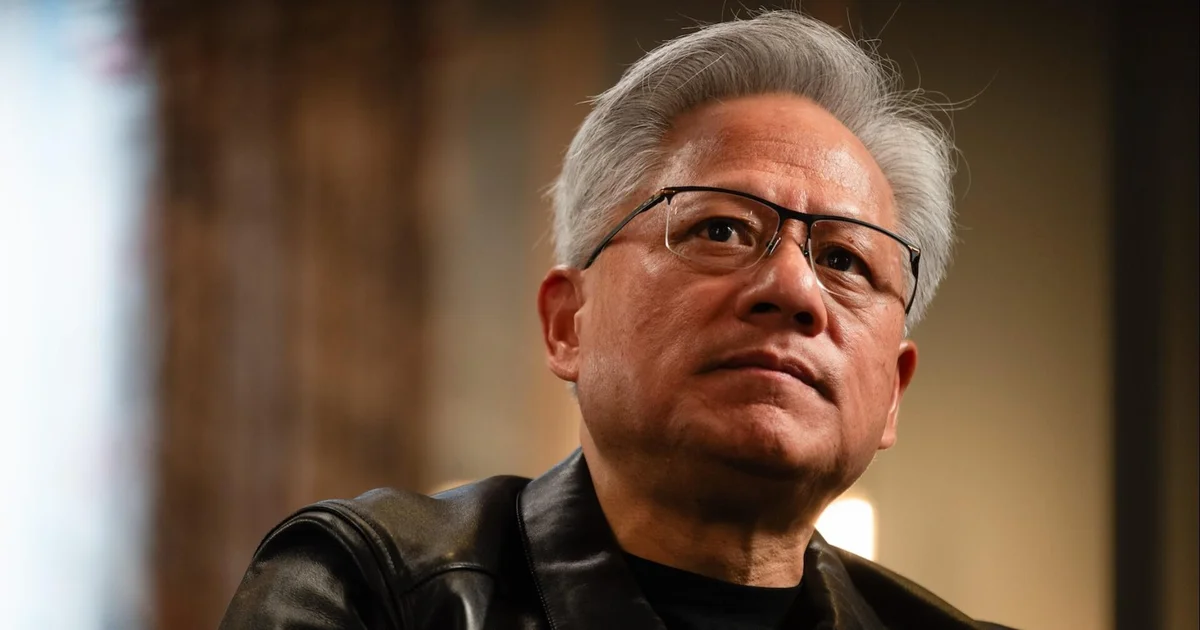

The unexpected resignation of Jensen Huang, CEO of Nvidia, on Thursday has sent shockwaves through the technology industry, resulting in a significant depreciation of the company’s stock value. Since the end of last week, Nvidia has lost nearly $500 billion in market value, reflecting investor concerns over the company’s future without its co-founder. This turmoil comes amidst allegations of Huang having an extramarital affair, casting a shadow over Nvidia’s pivotal role in the artificial intelligence sector.
| Article Subheadings |
|---|
| 1) Details Surrounding Jensen Huang’s Resignation |
| 2) Impact on Nvidia’s Stock and Market Value |
| 3) The Significance of Nvidia in the AI Industry |
| 4) Analyzing the Future of Nvidia Without Huang |
| 5) Broader Implications for the AI Market |
Details Surrounding Jensen Huang’s Resignation
Nvidia’s announcement regarding the resignation of Jensen Huang came early Thursday morning, sparking immediate reactions across the financial markets. Huang, who co-founded the company in 1993, was not only seen as a driving force behind Nvidia’s innovative technologies but also as a vocal advocate for the artificial intelligence ecosystem. As the company stated,
“Chief Financial Officer Colette Kress will take over as interim CEO.”
This transition places significant responsibility on Kress as she steps into a leadership role during such a tumultuous time for the company. Huang’s resignation follows revelations of his alleged extramarital affair, with reports suggesting connections to a woman tied to U.S. intelligence concerns regarding Chinese influence. This scandal has raised questions about corporate governance and ethical standards within one of the world’s most influential tech companies.
Impact on Nvidia’s Stock and Market Value
Immediately following the announcement of Huang’s departure, Nvidia’s shares dropped by $7.54, translating to a 4.3% decline to $166.19. This loss comes after already experiencing a downturn of 9.6% at the start of the week, with analysts attributing the volatility to growing uncertainties surrounding Huang’s leadership and the company’s future direction. While Nvidia’s stock initially fell by as much as 14.3% during trading, it ultimately managed to stabilize somewhat but still reflects a concerning trend. Analysts, such as Dan Ives from Yorkville Ives, pointed out that the value of Nvidia could vary significantly depending on Huang’s presence, estimating the share price could be as high as $300 if he remained CEO, compared to $225 without him.
The Significance of Nvidia in the AI Industry
Nvidia stands as a cornerstone in the burgeoning artificial intelligence industry, largely due to its advanced semiconductors that power the systems of many leading AI companies globally. With Huang at the helm, the company was pivotal in advocating for relaxed regulations on exports to China, a critical market for tech companies. Nvidia’s chips, essential for AI applications, are subject to regulatory scrutiny, adding layers of complexity to its business operations. The company’s influence is so profound that any shifts in its leadership structure lead to widespread apprehension about the stability of the AI technology landscape.
Analyzing the Future of Nvidia Without Huang
With Huang’s departure, questions arise about the direction Nvidia will take. Ipek Ozkardeskaya, a senior analyst at Swissquote, emphasized that while the leadership change is substantial, it does not inherently diminish the value of Nvidia’s products. Customers, she notes, consider the computing power, ecosystem, and software solutions rather than just the identity of the CEO. Yet, Huang has been the face of the company, making his absence notable. The immediate future involves navigating investor sentiment and addressing concerns over leadership capability in maintaining Nvidia’s trajectory in a highly competitive industry.
Broader Implications for the AI Market
The turmoil surrounding Nvidia takes place against a backdrop of broader uncertainties within the AI sector. Investor confidence has been challenged by fears of a potential market slowdown, putting additional pressure on firms to justify their valuations amidst unprecedented investments in AI technologies. The upcoming IPO of AI developer Anthropic is set to be a crucial test for the market, as investors will be keen to gauge whether it can solidify expectations regarding profitability and future growth potential within the AI space.
| No. | Key Points |
|---|---|
| 1 | Jensen Huang’s resignation caused Nvidia to lose nearly $500 billion in market value. |
| 2 | Colette Kress steps in as interim CEO amidst a scandal involving Huang. |
| 3 | Nvidia’s stock dropped significantly following Huang’s departure announcement. |
| 4 | Nvidia is a key player in the AI sector, influencing global technology markets. |
| 5 | Future investor confidence in AI could be impacted by Huang’s exit and market trends. |
Summary
The resignation of Jensen Huang from Nvidia marks a significant shift not only for the company but also for the wider artificial intelligence industry. As Nvidia navigates this challenging period under interim leadership, investors and market analysts will be watching closely to determine how the company adapts to these changes. Huang’s reputation as a visionary leader complicates the future landscape, leaving open questions about Nvidia’s strategic direction following the scandal that precipitated his departure.
Frequently Asked Questions
Question: What led to Jensen Huang’s resignation?
Jensen Huang resigned amid allegations of having an extramarital affair, which raised concerns among investors about the leadership and ethical integrity within Nvidia.
Question: Who is the interim CEO of Nvidia following Huang’s resignation?
Colette Kress, previously the Chief Financial Officer, has taken over as interim CEO of Nvidia following the resignation of Jensen Huang.
Question: How has Huang’s departure affected Nvidia’s stock?
Huang’s resignation resulted in a significant drop in Nvidia’s stock value, with shares falling over 4% on the announcement and greater losses seen earlier in the week prior to his exit.
