

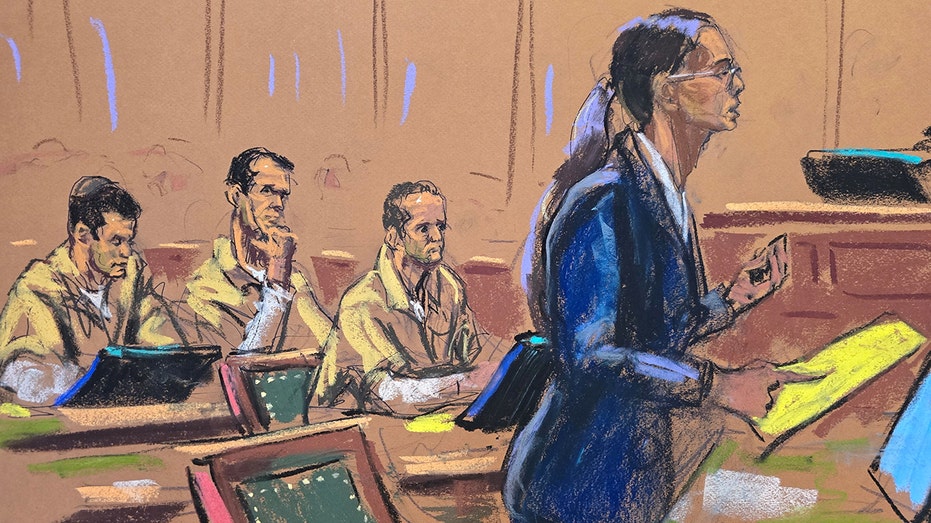

Private jets, superyachts, mansions and access to influential people helped Alon, Oren and Tal Alexander attract women and create an image that victims feared challenging, according to an attorney representing three women with civil claims against them. The brothers were each sentenced in New York on Tuesday to 30 years in federal prison after being convicted in a yearslong sex-trafficking scheme. Prosecutors said they used luxury experiences and social connections to isolate women before drugging and sexually assaulting them. The criminal case has ended, but separate civil litigation is continuing.
The civil allegations are separate from claims decided by the federal jury. The women’s attorney said evidence from the criminal prosecution could support allegations that some assaults were planned and that the brothers’ wealth increased victims’ fear of retaliation.
| 1) | Luxury and social access as alleged tools |
| 2) | The alleged recruitment and assault pattern |
| 3) | Why victims feared coming forward |
| 4) | Civil lawsuits after the federal convictions |
| 5) | Sentences, denials and remaining legal issues |
Luxury and social access as alleged tools
Attorney Michael J. Willemin of Wigdor LLP said the brothers used luxury trips, parties, private aircraft, superyachts, mansions and introductions to celebrities and powerful individuals to draw women into their social circles. Prosecutors said the conduct occurred between at least 2008 and 2021, when the brothers were active in wealthy social and real estate circles.
According to Willemin, the lifestyle helped create status and credibility, making it harder for women to believe they would be supported if they reported abuse. Prosecutors said that image operated alongside drugs and alcohol allegedly used to impair victims’ memory and ability to resist.
The alleged recruitment and assault pattern
Prosecutors said women were identified through social media, dating applications, personal encounters and party promoters. They were offered travel, accommodations or access to exclusive events. In multiple incidents described in court, prosecutors said women were drugged and forcibly raped or sexually assaulted, sometimes by more than one man.
Assistant U.S. Attorney Andrew Jones described the conduct as a repeated method of recruiting, isolating and assaulting women. Willemin said text messages, videos and other trial evidence indicated that some alleged assaults were organized in advance rather than being spontaneous incidents.
Why victims feared coming forward
Willemin said the brothers’ wealth and relationships created concerns beyond the alleged assaults. Women considering public accusations could fear losing access to social circles, being watched or facing threatening or violent behavior. He said those concerns were intensified by the brothers’ ability to use money and influence to protect their reputations.
The attorney said the perceived power imbalance could help explain why some women delayed reporting or did not come forward. He also said additional women might have been victimized but had not made public allegations, given the breadth of evidence presented in the criminal case.
Civil lawsuits after the federal convictions
Willemin represents Angelica Parker, who sued all three brothers in 2024, along with Samantha Fields and another woman identified as Jane Doe, who filed separate civil claims. Parker alleges that Oren invited her and a friend to the New York City apartment he shared with Tal and Alon in 2012. She alleges that after her friend left, Alon and Tal sexually assaulted her while Oren watched.
Parker’s allegations were not decided by the federal jury. Willemin said evidence from the criminal prosecution may strengthen the civil claims. Parker’s case has advanced further than the other two and involves an appeal concerning whether older sexual assault claims may proceed.
An argument before the New York Court of Appeals is scheduled for January. Willemin said the ruling could affect numerous civil cases involving the brothers. The proceedings are expected to continue through discovery and may go to trial, where plaintiffs would seek jury verdicts and financial remedies.
Sentences, denials and remaining legal issues
U.S. District Judge Valerie Caproni sentenced each brother to 30 years in federal prison followed by 10 years of supervised release. Alon and Oren were each fined $300,000, while Tal was fined $350,000. Prosecutors sought life sentences, while defense attorneys requested the mandatory minimum of 15 years.
During sentencing, the brothers continued to deny drugging, raping or trafficking women while expressing regret for past attitudes and comments about women. Willemin said the convictions and sentences were significant but argued that continued denials meant accountability remained incomplete.
| Number | Key Point |
|---|---|
| 1 | The brothers were each sentenced to 30 years in federal prison. |
| 2 | Prosecutors said luxury experiences and social access were used to recruit women. |
| 3 | Three women represented by Willemin are pursuing separate civil claims. |
| 4 | A New York Court of Appeals hearing could affect older civil claims. |
Summary
The federal convictions and lengthy sentences against Alon, Oren and Tal Alexander mark a major development in the criminal case, but they do not resolve separate civil claims. The women’s attorney says wealth, luxury and powerful connections allegedly helped the brothers recruit victims and deter reporting. Further proceedings will determine whether the civil lawsuits can proceed and what remedies, if any, may be awarded.
Frequently Asked Questions
What sentence did the Alexander brothers receive?
Alon, Oren and Tal Alexander were each sentenced to 30 years in federal prison followed by 10 years of supervised release. Alon and Oren were fined $300,000 each, and Tal was fined $350,000.
Who is pursuing civil claims?
Willemin said his firm represents Angelica Parker, Samantha Fields and a Jane Doe in separate civil claims against the brothers.
What could happen next?
The civil cases are expected to continue through discovery. A January argument before the New York Court of Appeals could address whether older sexual assault claims may proceed and could affect other lawsuits.
