

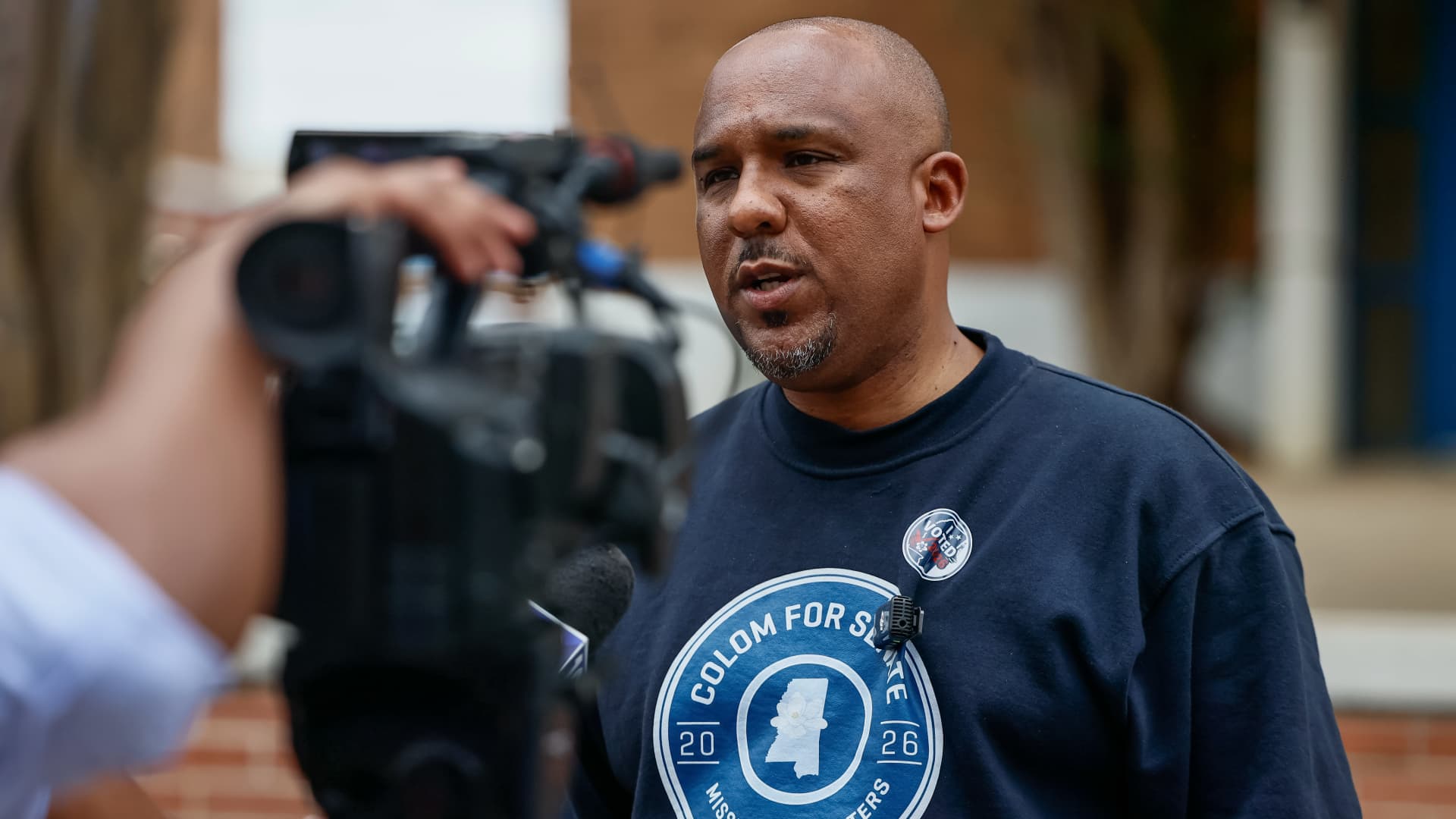

In a dramatic turn of events in the Mississippi Senate race, Democratic challenger Scott Colom has expanded his slim lead over incumbent Republican Cindy Hyde-Smith. As of the latest updates, Colom leads by 2,498 votes with the total number of counted ballots nearing 953,222. With an estimated 30,000 votes still outstanding, the outcome remains uncertain and may lead to a significant legal battle regarding ballot counting procedures. This race not only highlights the shifting political landscape in Mississippi but could potentially usher in a historic moment if Colom succeeds, making him the first Black senator from the state since Reconstruction.
| Article Subheadings |
|---|
| 1) Colom Expands Narrow Lead |
| 2) Remaining Votes and Implications |
| 3) The Legal Landscape of the Election |
| 4) Voter Sentiments and Campaign Dynamics |
| 5) The Historical Significance of the Race |
Colom Expands Narrow Lead
Democratic candidate Scott Colom has seen a promising increase in his lead over incumbent Senator Cindy Hyde-Smith. As of 5:30 p.m. ET, he has a margin of 2,498 votes in a closely monitored Senate race. The Associated Press reports show that nearly 97% of the total votes, counting just over 953,000 ballots, have been accounted for, showing a rise in Colom’s lead by 685 votes since the day began. The intense race has garnered significant attention, particularly as it has the potential to reshape the political landscape in Mississippi.
Independent candidate Ty Pinkins has received 20,028 votes, equating to approximately 2.10% of the total count, which has raised questions about his role in the election dynamics. Reports indicate that as the counting progressed, approximately 30,000 votes were still pending confirmation, increasing the stakes for both Colom and Hyde-Smith.
Remaining Votes and Implications
As of the latest estimates, a significant number of ballots remain to be processed, indicating that the current lead could change as more votes are counted. Election officials have confirmed that these outstanding votes may include absentee ballots and provisional ballots. The delays associated with counting these ballots have added to an atmosphere of anticipation and uncertainty leading into the final tally. The result may not be available until the next week, emphasizing the critical need for clarity among the voters.
Colom’s team is closely monitoring the situation. Should he emerge victorious, it would mark a significant shift in the political climate of Mississippi, amidst hopes of a revitalization of the Democratic Party in a region with deep historical ties to Republicanism. If Hyde-Smith manages a comeback, the implications for future Democratic campaigns in the region could be deep and complex.
The Legal Landscape of the Election
The race has also taken on a legal dimension as Hyde-Smith’s campaign has initiated demands regarding the handling of provisional ballots. On Thursday, her campaign sent a letter to county commissioners across the state, urging them to segregate provisional ballots from regular ballots, asserting that this would ensure proper verification of voting eligibility. The initiative could set the stage for a legal battle that may ensue depending on how election officials respond.
Colom’s team has rejected Hyde-Smith’s assertions as “unlawful and extraordinary measures,” emphasizing that her campaign’s demands violate Mississippi election law. Their response illustrates the contentious atmosphere surrounding this race. Provisional ballots, also referred to as affidavit ballots, can be utilized by voters whose eligibility may be in question. The legal interpretations and actions surrounding these ballots could impact the outcome as the final counts are being determined.
Voter Sentiments and Campaign Dynamics
Political analysts have noted a tangible shift in voter engagement leading up to this election, with many voters expressing a desire for change. Brian Anderson, a political science professor at Mississippi University for Women, remarked on the changing dynamics, stating that he was surprised by the closeness of the race. Colom’s ability to connect with various voter concerns, including affordability and local interests, has seemingly positioned him as a formidable opponent to Hyde-Smith.
Hyde-Smith’s campaign has been characterized by a lower visibility approach compared to Colom’s more dynamic strategy. Incidents such as her controversial remark about the high prices of beef – suggesting people should choose “different proteins” – have been effectively utilized by Colom’s team in campaign advertisements, driving home the message that she may be out of touch with the electorate’s concerns.
The Historical Significance of the Race
The implications of this Senate race extend beyond just party affiliation; if Colom wins, he would become the first Black senator from Mississippi since the post-Civil War Reconstruction Era. This potential historical milestone underscores the significance of the race in a region traditionally dominated by one party. Political experts suggest that a win for Colom could galvanize the Democratic base and trigger a reinvigoration of political aspirations among underrepresented communities.
With the backdrop of a changing demographic landscape in Mississippi, Colom’s potential victory could symbolize a broader shift in party dynamics not only in the state but across the South. This could lead to long-term changes in how both parties approach campaigning and engagement with minority voters.
| No. | Key Points |
|---|---|
| 1 | Scott Colom leads Cindy Hyde-Smith by 2,498 votes in a highly contentious Senate race in Mississippi. |
| 2 | Approximately 30,000 votes remain uncounted, which can shift the current standings. |
| 3 | Hyde-Smith’s campaign has prompted legal discussions regarding the counting of provisional ballots. |
| 4 | Colom’s campaign is focused on local concerns, enhancing voter engagement amidst a shifting political climate. |
| 5 | If successful, Colom would become the first Black senator from Mississippi in modern history. |
Summary
The Mississippi Senate race continues to capture national attention as Democratic challenger Scott Colom expands his lead over incumbent Republican Cindy Hyde-Smith. With outstanding votes and legal disputes on the horizon, the outcome remains uncertain. This race signifies a potential turning point for political engagement and representation in the state, given its historical significance should Colom secure victory. As both parties prepare for various outcomes, the dynamics of voter preference and engagement will likely shape future elections in Mississippi.
Frequently Asked Questions
Question: How many votes are still pending in the Mississippi Senate race?
Approximately 30,000 votes remain uncounted, which could significantly impact the current standings in the race.
Question: What role do provisional ballots play in the election?
Provisional ballots, also known as affidavit ballots, are used by voters whose eligibility is in question. They are examined later by election officials for validity before being counted.
Question: What historical significance does this race hold?
If Scott Colom wins, he will be the first Black senator from Mississippi since the Reconstruction Era, marking a significant milestone in the state’s political landscape.
