

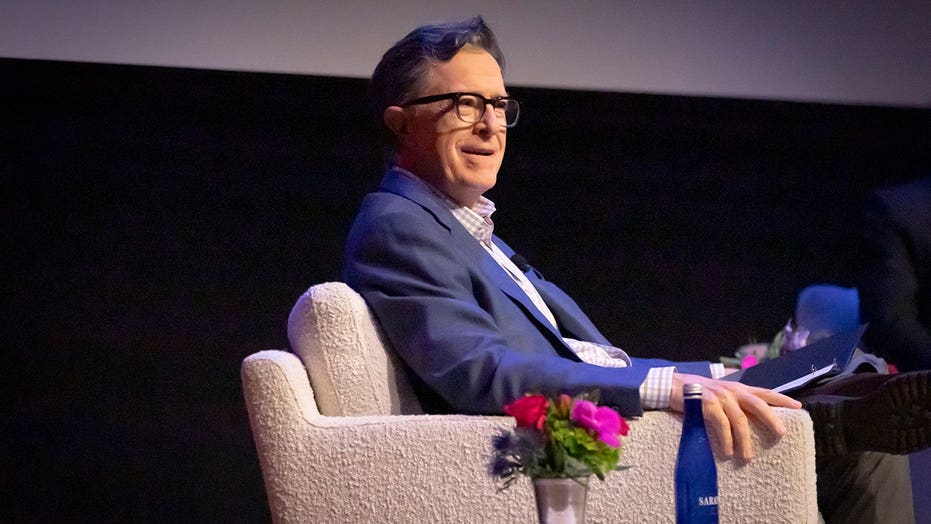

Stephen Colbert was accused of crossing a Harvard graduate student union picket line before an event with cellist Yo-Yo Ma was abruptly ended by a fire alarm. The Harvard Graduate Students Union said it had urged both performers to cancel, postpone or relocate the appearance because of the ongoing strike. The alarm sounded about 40 minutes into the sold-out program at Sanders Theatre, and the event did not resume. Union members denied any involvement in the alarm, whose cause remains unclear.
| 1) | Harvard event proceeds during graduate student strike |
| 2) | Fire alarm interrupts discussion with Colbert and Ma |
| 3) | Union outlines pay and workplace protections sought |
| 4) | Colbert’s prior strike support becomes point of dispute |
| 5) | Another scheduled Harvard appearance moves online |
Harvard event proceeds during graduate student strike
The dispute centered on a sold-out Harvard University appearance by Stephen Colbert and Yo-Yo Ma titled “Arts for Life’s Sake.” The 90-minute discussion was scheduled for Thursday at Sanders Theatre while the Harvard Graduate Students Union was on strike. The union said it contacted the performers in advance, including through SAG-AFTRA and the Boston Musicians’ Association, and asked them to cancel, postpone or move the event in solidarity with striking workers.
About 50 protesters demonstrated outside the theater before and during the program. They reportedly used drums, air horns and chants focused on higher pay and improved working conditions. The union said the performers continued inside and did not speak with members as they left, which led it to characterize their participation as crossing the picket line.
Fire alarm interrupts discussion with Colbert and Ma
The alarm sounded approximately 40 minutes after the event began, requiring Stephen Colbert, Yo-Yo Ma and audience members to evacuate Sanders Theatre. The discussion did not resume, despite having been scheduled to continue for roughly another 50 minutes. The cause of the alarm had not been established.
The Harvard Graduate Students Union denied responsibility and said the alarm was unrelated to its picketing activity. The union also said it had no knowledge of what caused it and was relieved that no one inside the venue appeared to be at risk. No claim was made that the performers or protesters caused the interruption.
“The alarm was unrelated to HGSU’s picketing activity and we have no knowledge of its cause.”
Union outlines pay and workplace protections sought
The graduate student union began its strike on Oct. 27 while seeking changes to compensation, grievance procedures and workplace protections. Its demands include annual pay of $55,000 for research assistants and approximately $45,000 for teaching fellows serving on 10-month appointments. Members are also seeking annual raises of 3% or cost-of-living adjustments.
Additional proposals concern independent handling of harassment and discrimination complaints, legal fee assistance in Title IX cases and financial support for workers who need to leave unsafe laboratories. The union also wants safeguards for sensitive immigration documents, guaranteed leave for visa delays or immigration emergencies, notice if Immigration and Customs Enforcement agents arrive on campus, and a requirement for a judicial warrant before Harvard cooperates with ICE.
Colbert’s prior strike support becomes point of dispute
The union specifically cited Stephen Colbert‘s public support for the 2023 Writers Guild of America strike. During that labor dispute, he joined striking Hollywood workers on a picket line. The graduate student union used that history in its appeal for Stephen Colbert and Yo-Yo Ma to reconsider their Harvard appearance.
In a statement, the union said it repeatedly asked both performers to avoid crossing its picket line through their labor organizations. It said the requests were not accepted and that the performers declined to speak with union members after the event. The account describes the union’s position, while the available information does not establish that either performer publicly responded to the accusation.
Another scheduled Harvard appearance moves online
Author John Green took a different approach to a scheduled Harvard appearance during the strike. He moved the event online to avoid crossing the graduate student union’s picket line and said the decision was straightforward.
“They’re on strike and I had to move a thing to not cross a picket line, which was an easy decision. It was not a hard decision for me.”
John Green also donated proceeds from the event to the union, according to reporting cited in the original account. His decision provided a contrast to the in-person appearance involving Stephen Colbert and Yo-Yo Ma, adding to the debate over how public figures should respond to the graduate workers’ demands.
| Number | Key Point |
|---|---|
| 1 | The Harvard Graduate Students Union has been on strike since Oct. 27. |
| 2 | The Colbert and Ma event was interrupted by a fire alarm after about 40 minutes. |
| 3 | Union protesters sought higher wages and stronger workplace protections. |
| 4 | The union denied involvement in the alarm and said its cause was unknown. |
| 5 | John Green moved his Harvard appearance online and donated proceeds to the union. |
Summary
The Harvard dispute highlights tensions between public performers and striking university workers. The union objected to the continued participation of Stephen Colbert and Yo-Yo Ma, particularly because of Stephen Colbert‘s earlier support for a Hollywood writers’ strike. The event ended early after an unexplained alarm, while the union continued pressing for compensation increases, labor protections and immigration safeguards.
Frequently Asked Questions
Why did the union object to the Harvard event?
The Harvard Graduate Students Union was on strike and said the performers should cancel, postpone or relocate the event rather than cross its picket line.
What happened during the event?
A fire alarm sounded about 40 minutes into the discussion, prompting an evacuation. The program did not resume, and the cause of the alarm remained unclear.
What are the union’s main demands?
The union is seeking higher annual pay, regular raises, independent grievance procedures, legal and safety support, and protections related to immigration emergencies and federal immigration enforcement.
