

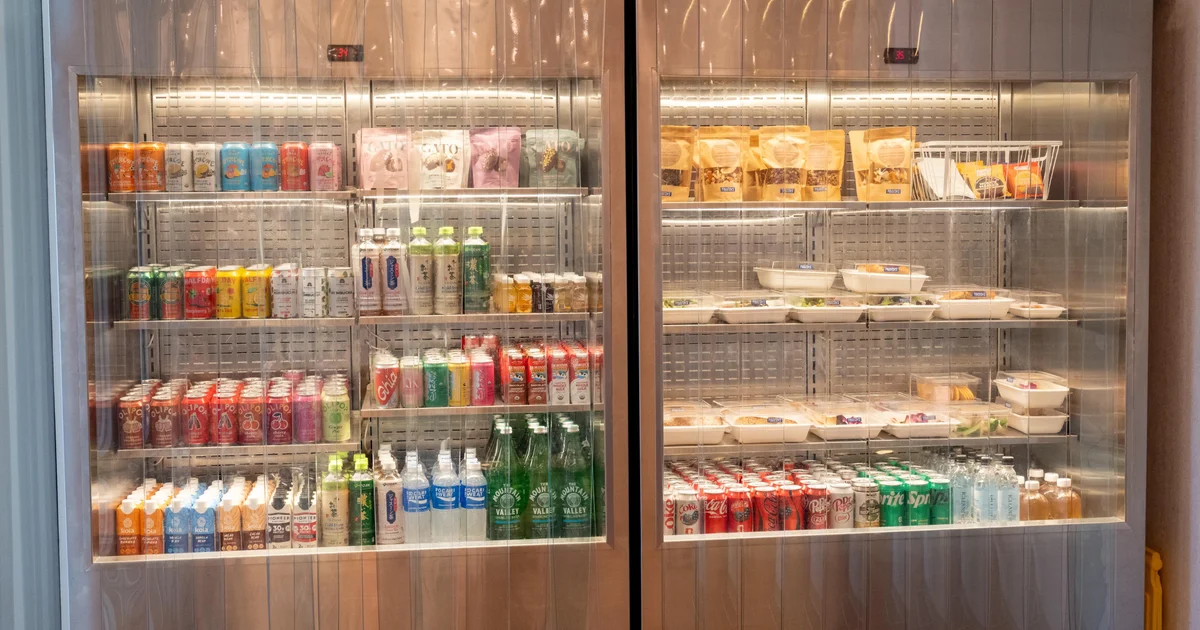

In a critical advisory issued on Thursday, U.S. government agencies alerted grocery stores, healthcare facilities, and other businesses reliant on commercial refrigeration to enhance their security measures. This warning follows a spate of cyberattacks that manipulated refrigeration temperatures across Europe, raising alarms about potential threats to similar systems in the U.S. The notice emphasized the urgent need for preventative actions to mitigate risks associated with these vulnerabilities, particularly in essential sectors.
| Article Subheadings |
|---|
| 1) Understanding the Cyber Threat Landscape |
| 2) Recent Incidents Raising Concerns |
| 3) Recommendations from Government Agencies |
| 4) The Impact of Vulnerabilities on Sector Operations |
| 5) Looking Ahead: Future Risks and Resilience |
Understanding the Cyber Threat Landscape
The recent warning issued by five federal agencies, including the Cybersecurity and Infrastructure Security Agency (CISA), reflects the evolving and serious nature of cyber threats targeting critical infrastructure. As technology advances, vulnerabilities within systems become more evident, particularly in older infrastructure that has not been updated or patched. The alarming trend shows that actors globally are increasingly exploiting these weaknesses, especially those associated with refrigeration systems, which are integral in sectors like healthcare and food distribution.
Cybercriminals have developed sophisticated methods to infiltrate systems, often taking advantage of unprotected devices connected to the internet. Their ability to alter environmental conditions, such as modifying refrigeration temperatures remotely, poses significant risks not only to food safety but also to healthcare operations and public safety.
Understanding who these malicious actors are involves identifying the various forms of cybercriminals—ranging from organized crime syndicates to rogue independent hackers. Their motives can vary, including financial gain, political statements, or simple chaos. The ongoing attacks signify a shift in how cybersecurity threats are becoming more centralized and potentially catastrophic.
Recent Incidents Raising Concerns
This advisory comes shortly after incidents involving refrigeration outages at six U.S. military bases back in August. The Army’s Criminal Investigation Division is currently investigating these outages, which raises significant concerns about how pervasive these threats may be. Although no specific systems in the U.S. have been confirmed as compromised, the potential for such breaches looms large.
Moreover, Europe has witnessed a spate of similar attacks, adding urgency to the advisory’s recommendations. Reports indicate that hackers have targeted refrigeration units across several grocery chains, resulting in unexpected temperature spikes and subsequent food spoilage in countries such as Luxembourg, Belgium, and Sweden. French authorities reported attacks on their national emergency blood supply network, indicating the far-reaching ramifications of these vulnerabilities.
Insights from cybersecurity experts suggest that hackers are honing in on industrial-level refrigeration systems due to their critical role in public health and safety. As these systems often contain sensitive data alongside temperature controls, they represent a prime target for attacks, leading commentators like Joshua Corman to emphasize the potential for more widespread disruptions.
Recommendations from Government Agencies
In response to these growing threats, the advisory from CISA, in collaboration with multiple federal agencies, lays out essential guidelines that organizations should adopt to bolster their cybersecurity defenses. The recommendations include changing passwords regularly, disconnecting refrigeration system devices from the internet when feasible, and implementing software updates to rectify known vulnerabilities.
The emphasis on preventing unauthorized remote access points to a broader strategy where proactive measures take precedence over reactive responses. Organizations are encouraged to conduct regular risk assessments to identify weaknesses in their systems, ensuring compliance with best practices for cybersecurity.
Moreover, this advisory underlines the importance of creating a culture of cybersecurity awareness among staff and stakeholders. Workers should be trained to recognize potential threats, while businesses must prioritize financial investments towards safeguarding their technological infrastructure.
The Impact of Vulnerabilities on Sector Operations
The implications of having unprotected refrigeration systems resonate across various sectors—from healthcare providers relying on temperature-controlled blood and organ supplies to food retailers where inventory management hinges on reliable refrigeration. If these systems fall victim to cyberattacks, the consequences reach far beyond immediate financial losses.
Physical impacts such as fire hazards, inventory loss, costly downtime, and the degradation of services associated with temperature fluctuations underscore the pressing nature of these issues. Not only could this result in stricter regulatory scrutiny, but it could also lead to broader supply chain disruptions affecting consumers directly.
The collaborative effort between federal agencies aims to prevent such scenarios by preemptively addressing these threats, ensuring that both stakeholders and the general public remain informed of the ongoing risks. As more businesses integrate technology into their operations, the critical need for robust cybersecurity frameworks becomes increasingly apparent.
Looking Ahead: Future Risks and Resilience
As the landscape of cyber threats continues to evolve, organizations must adapt continually to mitigate future risks. The advisory serves as a clarion call for enhanced vigilance and preparedness, given the likelihood of future attacks on refrigeration systems and other critical infrastructure. Adopting a proactive security posture will be integral to success in navigating these challenges.
Experts like Chris Butera from CISA emphasize that every organization relying on refrigeration and monitoring systems should operate under the assumption that it could be targeted. This mindset, alongside comprehensive cybersecurity strategies, can build resilience against sophisticated attacks.
Moreover, as technological advancements lead to increased connectivity within refrigeration systems, industry players must collaborate closely with cybersecurity professionals to ensure these systems are robust against external threats. Continuous education, investment in advanced security solutions, and fostering a robust safety culture could potentially deter cybercriminals and safeguard critical operations.
| No. | Key Points |
|---|---|
| 1 | U.S. agencies issued a warning to enhance security for refrigeration systems amid rising cyber threats. |
| 2 | Recent cyberattacks have compromised refrigeration systems in Europe, affecting food safety. |
| 3 | Recommendations include changing passwords, disconnecting systems from the internet, and updating software. |
| 4 | The impact of vulnerabilities could lead to physical hazards, loss of inventory, and decreased service reliability. |
| 5 | Future resilience will depend on collaboration between technology providers and cybersecurity experts. |
Summary
The heightened vigilance urged by U.S. officials signals an urgent recognition of the need to address cybersecurity risks in essential sectors relying on refrigeration. With increasing incidents of cyberattacks influencing both public health and safety, stakeholders must remain proactive and informed. By investing in stronger defenses and fostering a culture of cybersecurity awareness, organizations can better safeguard themselves against the evolving threat landscape while relying on critical infrastructure.
Frequently Asked Questions
Question: What measures can businesses take to protect their refrigeration systems from cyberattacks?
Businesses can enhance protection by changing passwords frequently, disconnecting devices from the internet, and applying necessary software updates to patch known vulnerabilities.
Question: Why are refrigeration systems attractive targets for cybercriminals?
Refrigeration systems are critical for food safety and healthcare. Their compromised functionality can lead to severe physical impacts, including inventory loss and threats to public health.
Question: What agencies are involved in issuing cybersecurity warnings?
Multiple federal agencies, including the Cybersecurity and Infrastructure Security Agency (CISA), the FBI, and the Departments of Health and Human Services, Agriculture, and Transportation, collaborated on the recent advisory regarding cybersecurity threats.
