

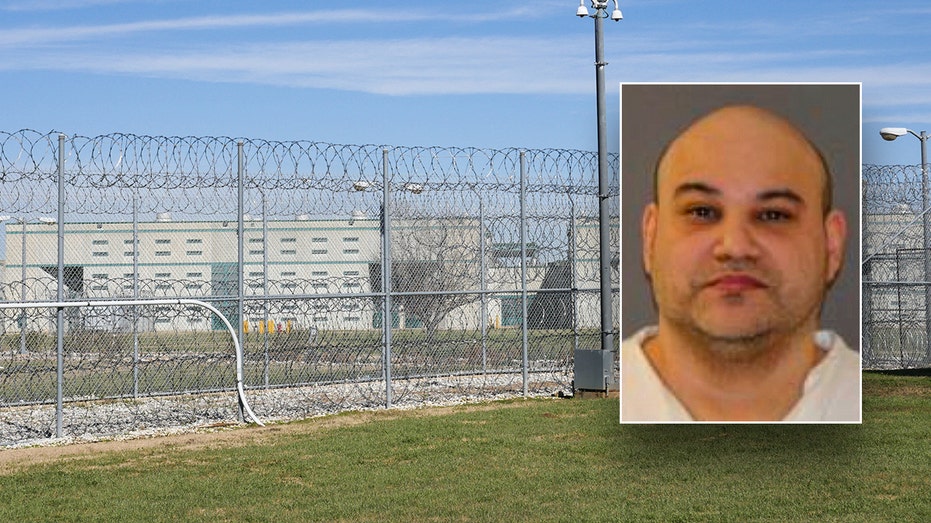

John Allen Rubio, 46, was executed in Texas on Thursday evening, nearly 23 years after the murders of three young children in Brownsville. Rubio received a lethal injection at a state prison in Huntsville and was pronounced dead at 6:47 p.m. The children were stabbed and beheaded inside an apartment on March 11, 2003. His common-law wife, Angela Camacho, pleaded guilty and is serving a life sentence.
| 1) | Execution ends a nearly 23-year case |
| 2) | Three children were killed in a Brownsville apartment |
| 3) | Mental health evidence became central to the defense |
| 4) | Camacho received a life sentence for her role |
| 5) | The execution was one of two carried out Thursday |
Execution ends a nearly 23-year case
Rubio was executed Thursday, Nov. 12, 2026, at a Texas prison in Huntsville. The execution was scheduled for 6 p.m. and proceeded without incident. The lethal injection began 21 minutes before Rubio was pronounced dead at 6:47 p.m., bringing a long-running criminal case to an end.
In his final statement, Rubio thanked friends and family for their love and understanding and said he was not the same person he had once been. He also expressed love for his wife and apologized to her family.
“I’m going to be with my kids in a little bit. I’m ready to go to heaven to be with my lord and savior.”
Three children were killed in a Brownsville apartment
The case began on March 11, 2003, when Rubio and Camacho killed three children inside a windowless apartment in Brownsville, in South Texas. The victims were Julissa Quezada, 3; John Esteban Rubio, 1; and Mary Jane Rubio, 2 months old.
Rubio was not the biological father of the two older children, according to court records, but he had assumed a parental role in their lives. He was convicted of stabbing and beheading all three children and was sentenced to death. The apartment building has since been demolished, and the property was converted into a community park and garden.
Mental health evidence became central to the defense
Mental health evidence was a major issue during Rubio’s prosecution. In the period leading up to the killings, he reportedly claimed that the children were possessed and described himself as a chosen figure destined to save the world.
Rubio at one point pleaded not guilty by reason of insanity. Defense experts diagnosed him with paranoid schizophrenia, while prosecution experts disputed those findings. His lawyers also presented evidence about a troubled childhood, including violence, harmful parental relationships, drug use and prostitution, arguing that those experiences had impaired his development.
Camacho received a life sentence for her role
Angela Camacho was prosecuted alongside Rubio after the three children were killed. She later pleaded guilty to her role in the murders and received a life sentence, which she is serving.
The differing outcomes left Rubio facing capital punishment while Camacho remained imprisoned under a life sentence. Rubio’s execution followed the conviction and sentencing process that lasted nearly 23 years from the killings to his death.
The execution was one of two carried out Thursday
Rubio’s death was the second of two executions carried out in the United States on Thursday. Earlier that day, Oklahoma executed James Pavatt, 73, by lethal injection. Pavatt had been convicted of plotting and carrying out the 2001 killing of his partner’s estranged husband.
The same day also brought renewed national attention to capital punishment. California Gov. Gavin Newsom announced plans to commute all 548 death sentences in that state. Rubio’s execution therefore occurred amid a broader debate over the death penalty, although his case proceeded under Texas law after the courts upheld his conviction and sentence.
| Number | Key Point |
|---|---|
| 1 | John Allen Rubio was executed in Huntsville, Texas, on Nov. 12, 2026. |
| 2 | He was convicted in the 2003 killings of three children in Brownsville. |
| 3 | His defense raised paranoid schizophrenia and a history of childhood trauma. |
| 4 | Angela Camacho pleaded guilty and is serving a life sentence. |
| 5 | The execution was one of two carried out in the United States that day. |
Summary
Texas carried out Rubio’s execution after his conviction for the 2003 murders of three children in Brownsville. The case included conflicting expert testimony about his mental health and evidence concerning his troubled upbringing. His death concluded a prosecution that had continued for nearly 23 years, while his co-defendant remains in prison under a life sentence.
Frequently Asked Questions
Who was executed in Texas?
John Allen Rubio, 46, was executed by lethal injection at a state prison in Huntsville on Nov. 12, 2026.
What crime led to Rubio’s execution?
Rubio was convicted of stabbing and beheading three children inside a Brownsville apartment on March 11, 2003.
What happened to his co-defendant?
Angela Camacho, Rubio’s common-law wife, pleaded guilty to her role in the murders and is serving a life sentence.
Were mental health issues raised in the case?
Yes. Defense experts diagnosed Rubio with paranoid schizophrenia, but prosecution experts disputed the diagnosis. His defense also cited severe childhood trauma and substance use.
