

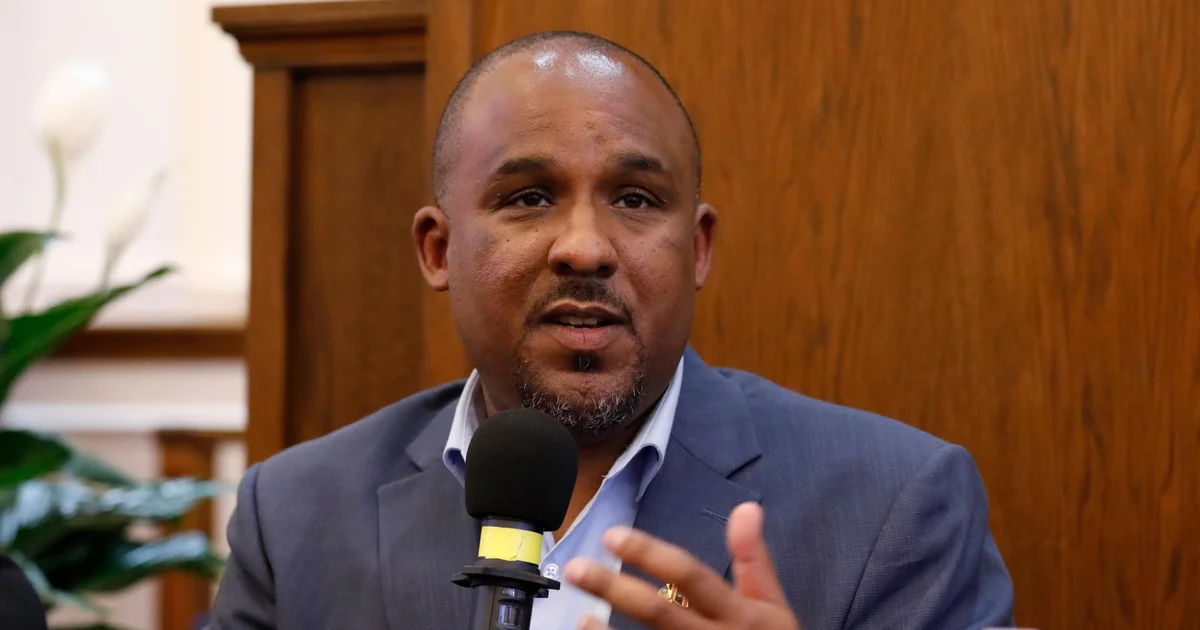

In a surprising turn of events, Democrat Scott Colom has emerged victorious in the recently concluded Mississippi Senate race, defeating Republican incumbent Cindy Hyde-Smith. This win marks a significant milestone for Democrats, as it represents their eighth flipped Senate seat in recent elections. Colom, a district attorney and a seventh-generation Mississippian, campaigned primarily on issues of cost-of-living and healthcare, positioning himself as a candidate capable of addressing the needs of the Magnolia State.
Colom’s victory speech at his alma mater, Tougaloo College, reflected on the challenging journey to his win, as he faced long odds and limited early support. On the other side, Hyde-Smith, who has been in the Senate since 2018, expressed her respect for the electoral decision and congratulated her opponent. As the political landscape continues to shift, this election outcome emphasizes the changing electorate dynamics even within traditionally Republican states.
| Article Subheadings |
|---|
| 1) Overview of the Election Results |
| 2) Campaign Strategies and Key Issues |
| 3) Reaction from Both Candidates |
| 4) Broader Implications for the Senate |
| 5) Looking Ahead: Future Challenges |
Overview of the Election Results
The recent Mississippi Senate race culminated in a remarkable outcome for Democrat Scott Colom, who managed to claim victory against the incumbent Republican Senator, Cindy Hyde-Smith. The election was initially predicted to be a solid win for Hyde-Smith, reflecting Mississippi’s conservative leanings, as evidenced by Donald Trump‘s substantial 20-point victory in the state during the 2024 presidential election. However, as the election unfolded, it became apparent that Colom’s candidacy had mobilized a significant segment of the electorate, ultimately leading to his win, making him the first Black senator from Mississippi since Reconstruction.
Colom’s victory was projected by election analysts after several days of counting, during which the race was closely contested. On election night, the results were neck-and-neck, with only a slight margin dividing the two candidates. Colom’s lead solidified as discussions of cost-of-living and healthcare resonated with voters in a state that has historically seen limited Democratic representation at the Senate level.
Campaign Strategies and Key Issues
Central to Scott Colom‘s campaign were the pressing issues of healthcare accessibility and rising costs of living—topics that have gained traction among voters throughout the state. Colom emphasized his commitment to improving the quality of life for Mississippians by advocating for systemic changes that prioritize healthcare and affordability. His campaign strategy involved rallying support from Democrats and moderates who were disenchanted with the current political environment and seeking a fresh perspective.
Throughout his campaign, Colom garnered significant backing from notable figures such as former President Bill Clinton and former Vice President Kamala Harris. Their appearances alongside Colom were pivotal in energizing his base and amplifying his message across the state. Colom’s relentless efforts also demonstrated a grassroots approach, where he engaged directly with constituents, despite facing challenges such as low early turnout at campaign events—an aspect he discussed during his victory speech.
Reaction from Both Candidates
Following the election results, both candidates provided statements reflecting on their campaigns and the sentiments of the electorate. In a victory speech delivered at Tougaloo College, Colom expressed gratitude towards his supporters and acknowledged the challenging expectations leading to his win. He discussed his faith in the possibility of success despite initial doubts from donors and allies, stating,
“Throughout this campaign, there were many times where I had to have faith…”
On the other hand, Cindy Hyde-Smith addressed her supporters in a video message, commending Colom for his success and stating,
“While this is not the outcome we worked for or hoped for, I respect the decision of Mississippi voters…”
Her tone was conciliatory, reflecting a focus on the future and the contributions she hopes to continue making for Mississippi.
Broader Implications for the Senate
Colom’s win carries substantial implications for the Democratic party’s standing in the Senate. With this victory, Democrats have now successfully flipped eight Senate seats, signaling a shifting political landscape even in historically conservative states. The significance of this shift extends beyond state lines, illustrating the potential for broader challenges in the upcoming elections as Republicans grapple with the changing sentiments amongst voters, especially on the issues of national concern such as healthcare and economic stability.
As of January, Democrats are set to control at least 55 seats in the Senate, a notable advantage over the Republican party’s 44 seats, with one race in Alaska remaining unsettled. This power dynamic positions the Democratic party favorably as they move forward to tackle key legislations, particularly those that address the socioeconomic issues prevalent in states like Mississippi.
Looking Ahead: Future Challenges
While the victory of Scott Colom represents a pivotal achievement for the Democratic party, the future remains fraught with challenges. Managing expectations within the party and addressing diverse voter concerns will be crucial in maintaining the momentum garnered from this election. As Colom prepares to take office, his focus will likely center on uniting constituents and bridging the divide between progressive interests and more centrist priorities within the state.
Moreover, Mississippi’s political environment remains complex, and Colom will face the significant task of advocating for legislation that aligns with his constituents’ needs while effectively combating any existing prejudices tied to party affiliation. The balance of accountability and representation will be essential in his tenure, as voters will be closely watching the action taken in the coming months.
| No. | Key Points |
|---|---|
| 1 | Democrat Scott Colom has defeated Republican Cindy Hyde-Smith in the Mississippi Senate race. |
| 2 | Colom’s campaign focused on healthcare and cost-of-living issues, resonating with voters. |
| 3 | Colom’s victory is historic, making him Mississippi’s first Black senator since Reconstruction. |
| 4 | Democratic control of the Senate has increased, now standing at 55 seats. |
| 5 | Future challenges include uniting constituents and effectively addressing diverse voter concerns. |
Summary
The election of Scott Colom as the new senator from Mississippi represents a significant shift in the state’s political narrative, highlighting not only the competitiveness of the recent race but also the broader implications for the Democratic party in national politics. As Colom takes office, he faces the formidable task of bridging gaps within his constituency while ensuring that the issues affecting the state are addressed. The outcome reflects changing dynamics across traditionally Republican territories, suggesting a reevaluation of voter concerns, especially surrounding healthcare and economic stability.
Frequently Asked Questions
Question: What were the main issues in the Mississippi Senate race?
The primary issues in the race revolved around healthcare accessibility and the rising cost of living, both of which resonated deeply with voters throughout the state.
Question: How significant is Scott Colom’s victory for the Democratic party?
Colom’s victory is significant as it adds to the Democratic party’s majority in the Senate, highlighting a growing competitiveness in traditionally red states.
Question: What challenges will Colom face as he steps into office?
Colom will need to address diverse voter concerns and unite constituents while advocating for effective policies that align with the needs of Mississippians.
