

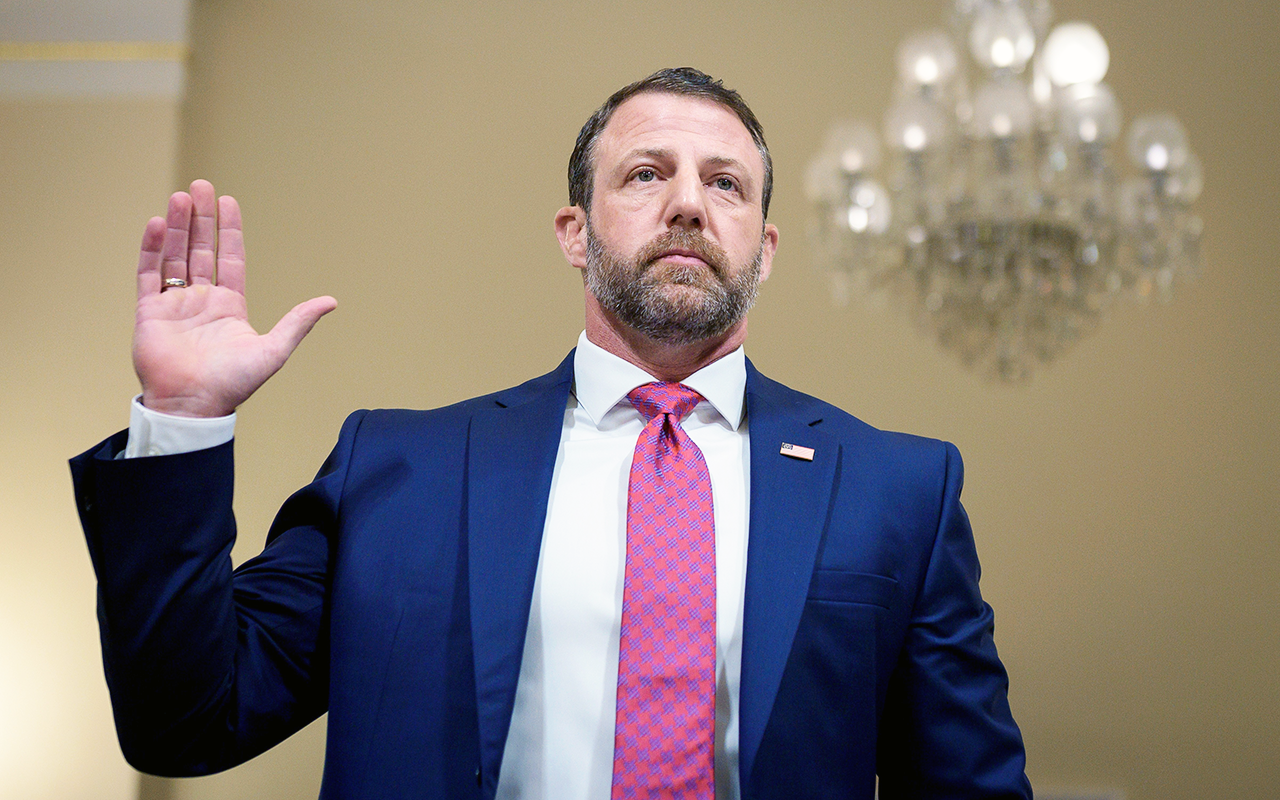

Immigration officials reported a historic milestone on Thursday, announcing that arrests and deportations in Fiscal Year 2026 have reached unprecedented levels in the agency’s history. The total number of arrests exceeded those recorded throughout the final three years of the Biden administration, while deportations came remarkably close to matching those totals. Secretary of the Department of Homeland Security (DHS), Markwayne Mullin, attributed these record-breaking statistics to policies from former President Donald Trump, indicating a shift towards stricter immigration enforcement.
| Article Subheadings |
|---|
| 1) Overview of Record Immigration Enforcement |
| 2) Breakdown of Arrests and Deportations |
| 3) Monthly Record-Breaking Statistics |
| 4) Impact of Leadership on Policy Changes |
| 5) Future Implications of Current Trends |
Overview of Record Immigration Enforcement
In a significant announcement, DHS officials declared that Fiscal Year 2026 marked the highest number of arrests and deportations in the history of the Immigration and Customs Enforcement (ICE) agency. As stated by Secretary Mullin, the record-breaking numbers indicate a aggressive return to stricter immigration enforcement, a hallmark of Trump-era policies. The announcement follows continuous discussions surrounding U.S. immigration policy amidst shifting political landscapes in Washington.
Secretary Mullin emphasized that more than 491,000 arrests were made during this fiscal year, surpassing the combined totals of all three years of the Biden administration’s enforcement actions. With nearly 475,000 of these arrests categorized as administrative, officials noted this indicates a significant uptick in enforcement activities across the nation. The data suggests a new direction for immigration policy under the current administration, which appears to focus heavily on increased enforcement capabilities.
Breakdown of Arrests and Deportations
The overall statistics from Fiscal Year 2026 indicate that ICE executed approximately 483,200 deportations, breaking the previous record set the prior year of 442,640 deportations. Notably, total arrests surpassed the accumulated figures for fiscal years 2022, 2023, and 2024 under the Biden administration by nearly 65,000. This surge represents a major realignment in federal immigration strategies, with immediate emphasis on removing individuals who are unlawfully present in the U.S.
As ICE bolstered its law enforcement activities under the current DHS leadership, it became clear that the agency’s procedures have undergone considerable changes. This shift aligns with Mullin’s pledge to uphold stringent immigration laws and bring about a notable reduction in illegal immigration.
Monthly Record-Breaking Statistics
An analysis of monthly data shows that August 2026 set an unprecedented record for arrests, with 50,925 arrests made in that month alone. This figure marks the highest number for any single month in ICE’s history according to the agency’s records. Following this trend, September also reported over 48,000 arrests, indicating a continued increase in enforcement actions. This marks a staggering 300% rise in arrests compared to the average for September under the Biden administration.
These record months reflected a renewed emphasis on apprehending undocumented immigrants, which Mullin attributes to enhanced operational frameworks within ICE. The concerted efforts to elevate enforcement actions have provided officials with the necessary tools to conduct record-level operations, augmenting the perception of improved border and immigration security.
Impact of Leadership on Policy Changes
Secretary Mullin ascribed the achievements in ICE operations primarily to the leadership style of former President Trump. He claimed that under Trump, ICE had been “unleashed” to pursue and deport individuals it could label as illegal immigrants. Mullin’s statements indicate a firm belief that the policies instituted during the Trump administration are pivotal in achieving current enforcement successes. With claims that over 3 million migrants have exited the U.S. since Trump took office, the emphasis on impactful law enforcement has become a central talking point for the administration.
As the Biden administration grapples with immigration-related challenges, the contrasting approaches underscore the political contention surrounding immigration policy in the U.S. Current efforts to ramp up arrests and deportations reflect a significant pivot away from prior strategies that focused on more lenient treatment of undocumented immigrants.
Future Implications of Current Trends
With such unprecedented numbers in arrests and deportations, experts and political analysts are examining the long-term implications of these policies. As reported, nearly 1.2 million illegal aliens have been deported and more than 1.25 million have been arrested within this fiscal year alone. The escalating efforts to fortify immigration enforcement signals a potential shift in future immigration policies. Observers are keen to see how these figures influence public opinion and potential legislative responses.
Furthermore, this significant uptick in enforcement actions raises questions about the broader impact on communities and the economy at large. Advocates for immigration reform are raising concerns that stricter policies could lead to increased fear among immigrants and their families, possibly affecting their integration into society.
| No. | Key Points |
|---|---|
| 1 | ICE announced record-high arrests and deportations in Fiscal Year 2026. |
| 2 | More than 491,000 arrests made, surpassing totals for recent years. |
| 3 | August 2026 set a monthly record with 50,925 arrests. |
| 4 | Mullin credited policies from former President Trump for current results. |
| 5 | Future implications raise questions about community impacts and legislative responses. |
Summary
The recent announcements regarding ICE’s record-high numbers in arrests and deportations in Fiscal Year 2026 have significant implications for U.S. immigration policy and enforcement. As the agency reportedly undertakes more aggressive operations under the current administration, scrutiny will likely intensify regarding the effects such actions will have on communities and the future of immigration reform. With ongoing debates surrounding these policies, it remains essential to observe how they shape public perception and legislative direction moving forward.
Frequently Asked Questions
Question: What led to the record number of arrests and deportations in FY 2026?
The record numbers in arrests and deportations are largely attributed to the aggressive enforcement policies reestablished under Secretary Mullin and influenced by former President Trump’s leadership, aimed at increasing illegal immigration removals.
Question: How do the current statistics compare to previous administrations?
The current figures for arrests and deportations in FY 2026 far exceed the combined totals from the final three years of the Biden administration, indicating a significant shift in enforcement practices.
Question: What is the potential impact of these enforcement actions on communities?
The heightened immigration enforcement may create fear among undocumented immigrants and their families, potentially affecting their integration into communities and overall public sentiment towards immigration policies.
