

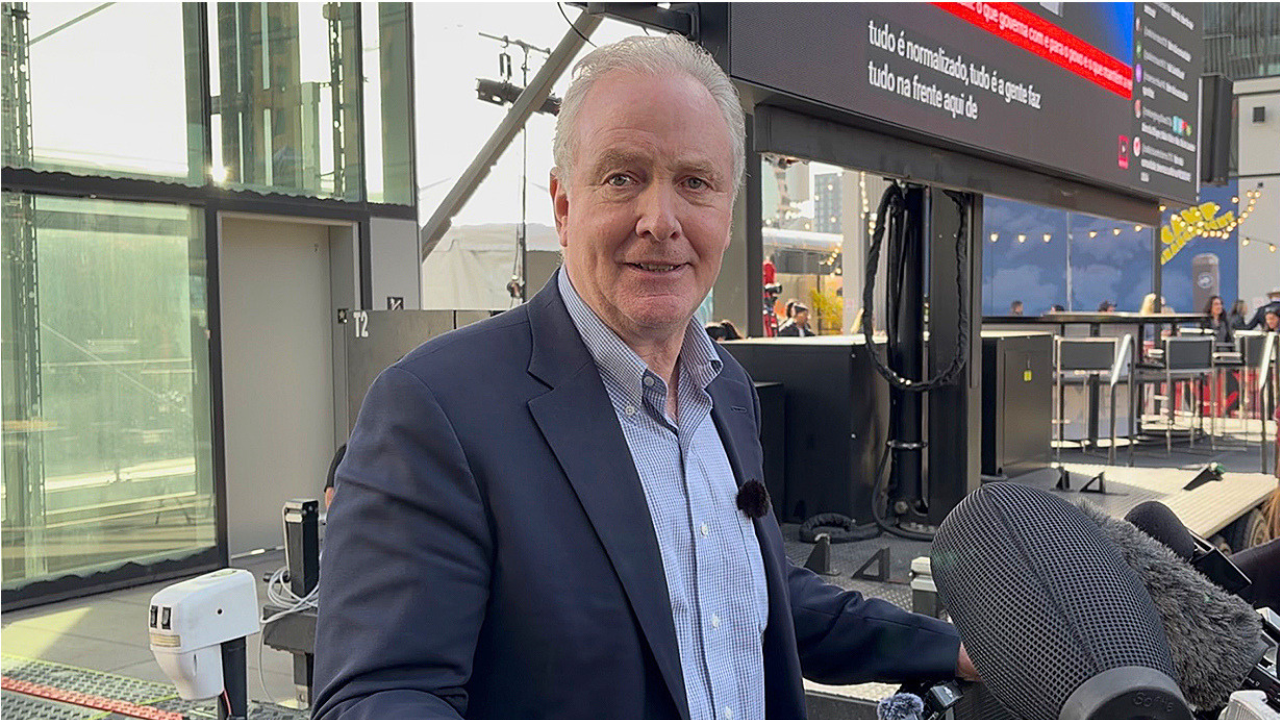

A significant power struggle is brewing within the Democratic Party, highlighted by the challenge posed by Senator Chris Van Hollen against Senate Minority Leader Chuck Schumer. The rivalry comes in the wake of recent midterm electoral victories, where **Van Hollen** signals a desire for transformative leadership and a departure from the status quo. This confrontation, set against the backdrop of simmering discontent within the party, marks a pivotal moment for Democrats as they prepare for upcoming legislative battles and future elections.
| Article Subheadings |
|---|
| 1) The Genesis of a Leadership Challenge |
| 2) Filibuster Controversy: A Major Point of Divergence |
| 3) Responding to Voter Sentiment |
| 4) The Complex Dynamics Within the Democratic Party |
| 5) The Road Ahead: Challenges for Both Candidates |
The Genesis of a Leadership Challenge
The political landscape began to shift when Senator Chris Van Hollen officially launched his campaign for Democratic leadership against long-serving Senate Minority Leader Chuck Schumer. This announcement followed a series of discussions among Senate Democrats aimed at evaluating the party’s direction post-midterm elections. The last time a contest for the leadership position occurred was back in 1994, marking this instance as particularly noteworthy. In his statement, Van Hollen emphasized the need for new approaches and ideas to align the party with the demands of its supporters.
The challenge arises amid a backdrop of dissatisfaction, leading some Democrats to voice a desire for a shift in leadership.
“Democrats need to answer to the American people and bring forth innovative solutions,”
remarked a participant at a recent conference in Denver, echoing widespread sentiments among constituents who yearn for transformative governance.
With the 2028 presidential elections on the horizon, Van Hollen reportedly decided to abandon his aspirations for the White House in favor of spearheading a shift in Senate leadership, thereby enhancing his base in the party and potentially establishing himself as a frontrunner in future national elections.
Filibuster Controversy: A Major Point of Divergence
Central to this leadership showdown is the contentious issue of the filibuster. Senator Van Hollen argues vehemently against the filibuster, calling it “an anti-democratic provision” that obstructs the will of the majority. He believes that Senate rules should allow the majority of senators to dictate legislative direction, thereby reflecting the wishes of the constituents. In contrast, Schumer has expressed caution regarding significant changes to Senate rules, suggesting that the filibuster serves as a crucial tool for maintaining bipartisan dialogue.
The discussion around the filibuster is not merely theoretical; it has real implications for American democracy and the legislative process. Van Hollen’s assertion that the rule was historically implemented to limit the power of the people indicates a philosophical divide. His perspective reflects a broader yearning among progressive politicians to utilize legislative tools to deliver on the promises made during election campaigns. The debate over the filibuster encapsulates a core tension within the party: balancing immediate progressive agenda goals against long-standing institutional norms.
Responding to Voter Sentiment
Van Hollen has positioned his challenge as a clear response to shifts in voter sentiment following the Democrats’ successful midterm elections. With many constituents expressing a desire for change, Van Hollen insists that legislative priorities must align with the electoral mandate received from the American populace. He cites the need for action on campaign issues, such as raising union support and addressing climate change, as essential to the party’s platform moving forward.
His statement regarding the necessity for the incoming majority to pass the legislation candidates campaigned on underscores a commitment to addressing constituents’ needs promptly rather than waiting for other political dynamics to unfold:
“We shouldn’t wait to hear what President Trump may or may not do… We should answer the call of the American people.”
This urgency reflects a broader strategy for pivoting away from complacency and seizing the legislative ground.
The Complex Dynamics Within the Democratic Party
The Democratic Party’s internal dynamics play a significant role in this leadership challenge. As Schumer continues to hold significant influence as the incumbent leader, he possesses a well-established network of support. His ability to provide leadership positions to his colleagues gives him a critical advantage in the contest ahead. The party is finding itself at a crossroads: the tension between traditional party structures and the growing demands of a more progressive base is palpable.
Attendees at the What’s Next conference voiced their concerns about the future direction of the party, with some calling for innovative strategies that diverge from past practices. One attendee commented,
“We definitely want change. We don’t want to go back to the way things have been. This is a turning point for our country.”
This internal dialogue signifies a potential reawakening for the party—challenging leadership norms and advocating for fresh ideas that resonate with an increasingly vocal and diverse electorate. As momentum builds behind Van Hollen, he may galvanize voters who seek representation for their interests rather than entrenched political status quos.
The Road Ahead: Challenges for Both Candidates
Despite the palpable excitement around Van Hollen’s leadership bid, the road ahead is fraught with challenges. The upcoming secret ballot contest, which is expected to take place in early December, will necessitate a careful calculation of votes. To succeed, either candidate will require 28 votes, with an increased need for 29 votes should Democrats secure an additional seat in Alaska, which is still under review.
For Schumer, the challenge lies in defending his platform and emphasizing his established credentials as a seasoned leader capable of navigating partisan divides. He has stated confidence in possessing the necessary votes to maintain his leadership, framing his tenure as a stabilizing influence in a hyper-political landscape. However, any underestimation of Van Hollen’s growing support could prove to be a significant miscalculation.
As both candidates prepare for what could be a defining leadership election, the discourse surrounding the future of the Democratic Party will undoubtedly influence their respective campaigns. The outcome will have ramifications not just for the immediate future of Senate leadership but also for how Democrats are perceived by a public eager for transformative governance.
| No. | Key Points |
|---|---|
| 1 | Senator Chris Van Hollen challenges Chuck Schumer for Senate leadership, promoting a vision for transformative governance. |
| 2 | The filibuster emerges as a central issue, with Van Hollen advocating for its elimination in favor of majority rule. |
| 3 | Van Hollen positions his challenge as a response to voter sentiment for change following recent midterm victories. |
| 4 | Schumer holds support as the incumbent leader, complicating Van Hollen’s path to leadership. |
| 5 | The upcoming leadership election is critical for the future direction of the Democratic Party. |
Summary
The interplay between Senators Chris Van Hollen and Chuck Schumer represents not just an internal party power struggle but also highlights broader themes of democracy and representation within the U.S. Senate. As both candidates prepare for a challenging election fought on the grounds of progressive values versus traditional political norms, the outcome will shape the Democratic Party’s approach towards upcoming legislative priorities and national elections. Observers will be watching closely as this contest unfolds, eager to see if the party can unify behind a leader responsive to the changing landscape of American politics.
Frequently Asked Questions
Question: What prompted Senator Van Hollen to challenge Schumer’s leadership?
Senator Van Hollen launched his challenge as a response to a growing demand for change within the Democratic Party, particularly after the recent midterm electoral wins, which he perceives as a call for new leadership and policies.
Question: How does the filibuster factor into this leadership challenge?
Van Hollen criticizes the filibuster as an undemocratic mechanism that inhibits the majority from enacting legislative change, while Schumer argues that it serves as a tool for ensuring bipartisan dialogue.
Question: What are the stakes in the upcoming leadership election?
The election will determine the future leadership of the Democratic Party in the Senate and influence legislative priorities and strategies, especially in addressing key issues that resonate with voters.
