

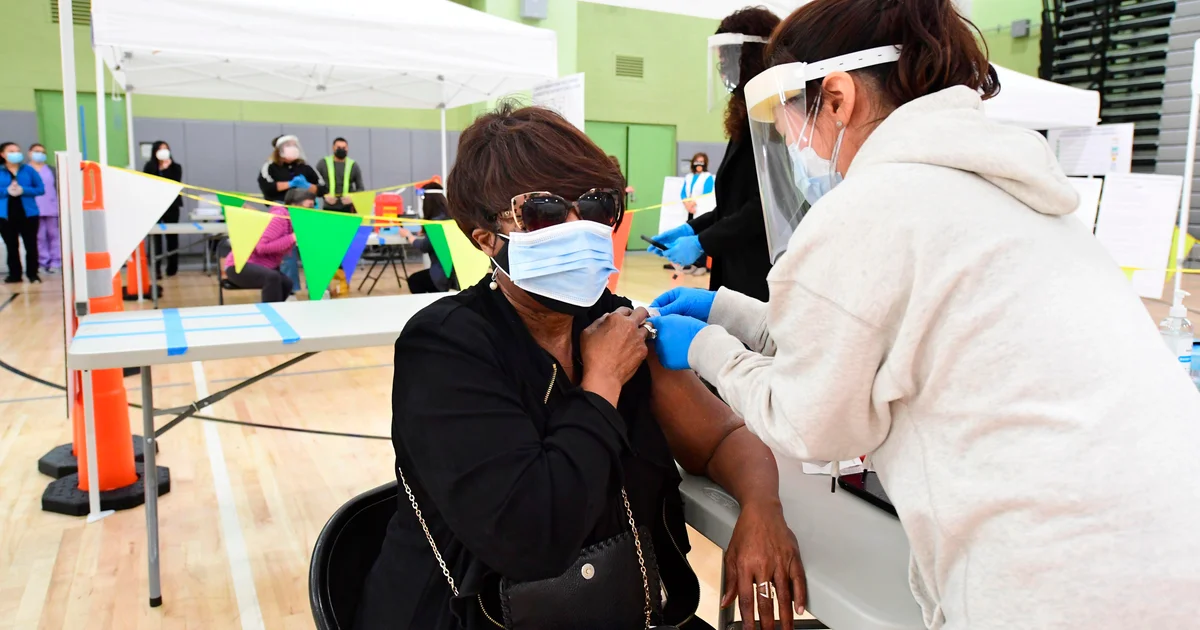

Recent surveys indicate a significant portion of the American population remains hesitant about receiving the COVID-19 vaccine. While many individuals express a willingness to get vaccinated or have already done so, a considerable number cite skepticism toward the vaccine’s development, concerns about side effects, and general mistrust in government authorities and pharmaceutical companies. Additionally, attitudes toward vaccination are notably influenced by political affiliations and racial demographics, revealing a complex landscape of public opinion as society seeks to navigate the implications of the pandemic.
| Article Subheadings |
|---|
| 1) Overview of Vaccination Attitudes |
| 2) Reasons for Hesitancy |
| 3) Demographic Disparities in Vaccination |
| 4) Political Influences on Vaccine Acceptance |
| 5) Perspectives on School Reopening |
Overview of Vaccination Attitudes
A recent survey conducted among 1,500 U.S. adults reveals that a majority of respondents either plan to receive the COVID-19 vaccine upon eligibility or have already received it. However, a notable segment of the population indicates a hesitancy to get vaccinated, leaning towards either uncertainty or outright refusal. The data highlights that while a good number of individuals view vaccination as a necessary step towards ending the pandemic, others remain cautious, reflecting a complex mix of beliefs and emotional responses related to this critical public health measure.
Reasons for Hesitancy
Research shows that skepticism about the vaccine is a primary reason for hesitancy among those not ready to vaccinate. Many individuals express concerns related to the speed of the vaccine’s development, citing a “wait-and-see” approach as they fear potential side effects that may not yet be clear. Additionally, concerns extend to mistrust in governmental institutions and pharmaceutical companies, which some individuals believe may not prioritize health and safety. Such hesitance is further compounded by negative portrayals and misunderstood information circulating in various media, leading to growing apprehension among certain demographics.
Demographic Disparities in Vaccination
The survey data also underscores stark differences in vaccination willingness across racial lines. Black and Hispanic respondents report lower vaccination rates compared to their White counterparts, particularly in the early phases of the vaccine rollout. However, among those who have yet to receive the vaccine, the willingness to do so appears comparable across racial groups. These findings suggest that while historical disparities in healthcare access may play a role in current vaccination behaviors, individuals from diverse backgrounds exhibit similar readiness to get vaccinated when prompted.
Political Influences on Vaccine Acceptance
Political affiliation has emerged as a significant factor in shaping attitudes towards the COVID-19 vaccine. Survey results reveal that Democrats are more inclined than Republicans and independents to accept the vaccine. A substantial portion of Republicans and independents express a preference to delay their decision until more data emerges regarding the vaccine’s long-term effects. This trend can potentially be attributed to ongoing narratives within partisan circles that frame government interventions, including vaccination campaigns, with skepticism. Notably, previous polling throughout the pandemic indicated that Republicans have shown general reluctance towards acknowledging the severity of the virus, yet this skepticism towards vaccines specifically appears to be motivated more by concerns over safety than by political ideology alone.
Perspectives on School Reopening
Amid ongoing discussions regarding school reopenings, public opinion remains divided. Approximately one-third of respondents support complete reopening of schools under traditional full-time schedules, while a majority favor a more cautious approach that incorporates partial or rotating schedules as a response to the pandemic. This division is echoed across political lines, with Republicans more likely than their Democratic counterparts to advocate for a return to normalcy in educational institutions. Among parents of school-aged children, views similarly reflect this divide, with around one-third seeking a return to full-time, in-person schooling. The varying opinions relate closely to personal beliefs regarding safety and the perceived effectiveness of vaccinations in managing the spread of the virus within community settings.
| No. | Key Points |
|---|---|
| 1 | Many Americans show hesitancy about receiving the COVID-19 vaccine, with significant numbers expressing skepticism. |
| 2 | Concerns about vaccine development speed and side effects are prevalent among those reluctant to vaccinate. |
| 3 | Disparities exist in vaccination rates across racial groups, with Black and Hispanic populations being less likely to be vaccinated. |
| 4 | Political affiliation greatly influences individuals’ attitudes towards vaccine acceptance and willingness. |
| 5 | Public opinion on school reopenings reflects a divide, with many calling for partial openings rather than a full return to normal. |
Summary
The complexities surrounding public readiness to receive the COVID-19 vaccine illustrate significant challenges for health authorities and policymakers. Understanding the varied reasons behind vaccine hesitancy—including skepticism, demographic factors, and political influences—will be vital in addressing public concerns. As vaccination campaigns continue, fostering trust and open dialogue about safety and efficacy can help reduce hesitancy and pave the way for a broader acceptance of vaccinations as an essential tool in managing the ongoing pandemic.
Frequently Asked Questions
Question: Why are some individuals hesitant to receive the COVID-19 vaccine?
Many individuals express concerns regarding the speed of the vaccine’s development, potential side effects, and a general mistrust of the government and pharmaceutical companies. Additionally, some individuals adopt a “wait-and-see” approach, opting to observe outcomes in those who receive the vaccine before making a decision.
Question: How does political affiliation affect attitudes towards vaccination?
Survey results indicate that Democrats are more likely to support receiving the vaccine compared to Republicans and independents. The latter groups often express a desire to wait and see how the vaccine performs before making a commitment, reflecting the influence of political narratives on public health attitudes.
Question: What are the opinions on school reopenings amid the pandemic?
Public opinion regarding school reopenings is divided, with some advocating for full reopening with traditional schedules while others prefer partial or rotational schedules. This divide is prevalent among parents and is influenced significantly by beliefs about safety and the effectiveness of vaccines in controlling virus spread.
