

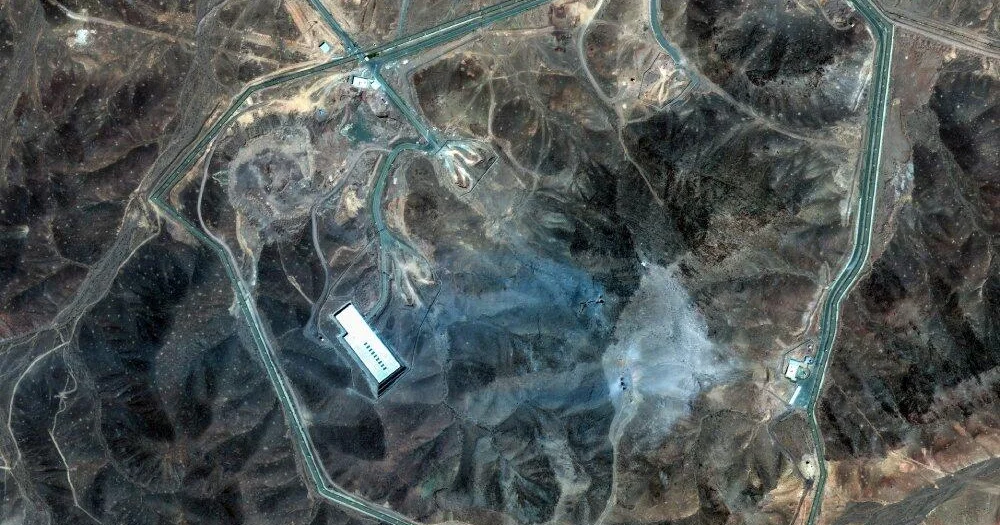

In recent developments in the Middle East, tensions in the Strait of Hormuz have intensified following reports of tankers being struck, alongside a resurgence of violence in Yemen as Houthi rebels consolidate control over the strategic Bab el-Mandeb Strait. Meanwhile, Iran has declared it will not permit inspections of its damaged nuclear sites until ongoing hostilities with the U.S. have come to a halt. Additionally, allegations have surfaced that U.S. military leadership ignored critical warnings leading up to a deadly drone attack in Kuwait. Each of these incidents underscores the complexities and dangers present in the region, where geopolitical frictions fuel instability and conflict.
| Article Subheadings |
|---|
| 1) Tankers Hit in the Strait of Hormuz |
| 2) Houthi Rebels Strengthen Control in Yemen |
| 3) Iran’s Stance on Nuclear Site Inspections |
| 4) Army Whistleblower Highlights Military Failures in Kuwait |
| 5) Implications for Regional Stability |
Tankers Hit in the Strait of Hormuz
A report from the U.K. Maritime Trade Operations Center disclosed that a tanker was struck by an unknown projectile while navigating the critical Strait of Hormuz. The incident occurred during morning hours on a Monday, a time when maritime traffic intensifies due to rising trade activities. The center reported that the vessel suffered a fire in its engine room, but fortunately, all crew members were accounted for, with no casualties reported, a slight relief amidst escalating tensions in the area.
The Strait of Hormuz, a vital maritime route, serves as a conduit for a significant portion of the world’s oil supply, making it a focal point of geopolitical skirmishes. In a parallel incident, Iranian state media reported that another tanker caught fire after coming into contact with a naval mine, an assertion made by Iran’s navy. This incident reflects the long-standing tensions between Iran and various nations that use these waters, indicating a dangerous escalation of threats.
Iran’s armed forces consistently assert their authority over the Strait, claiming they will respond to any perceived infringement by foreign vessels. The continuous maritime conflicts, including this recent strike and similar reports, raise pressing questions about maritime security and the potential for retaliatory actions that could exacerbate the ongoing tensions in the region.
Houthi Rebels Strengthen Control in Yemen
In Yemen, the Iran-backed Houthi rebels have significantly tightened their grip on the Bab el-Mandeb Strait after allied forces of the Saudi-backed Yemeni government withdrew from critical areas. Due to relentless assaults by the Houthis, the Southern Armed Forces announced their decision to shift focus toward securing the southern city of Aden, which remains under the control of the internationally recognized government. This strategic withdrawal illustrates the rebels’ ability to consolidate power amidst ongoing conflict.
Local reports indicated that the Houthis launched ballistic missiles targeting the district of Buraiqeh on Yemen’s western coast, further escalating hostilities. Clashes have also been reported between Houthi forces and government troops in Lahj province, an area crucial for supply routes that connect to the Bab el-Mandeb Strait. This situation poses a considerable risk to Saudi oil exports, as the Strait serves as a key maritime chokepoint.
As the Houthis tighten their control, their actions threaten not only local stability but also have wider implications for global oil markets and international shipping lanes. The persistent conflict in Yemen presents a layered complexity, making negotiations and peacekeeping efforts increasingly difficult with each passing day.
Iran’s Stance on Nuclear Site Inspections
In a bold declaration, a senior official from Iran’s government announced that Tehran would not allow any inspections of nuclear sites damaged amidst the ongoing war with the U.S. until a definitive peace is established. This statement was made by Deputy Foreign Minister Kazem Gharibabadi during a televised interview, highlighting Iran’s determination to maintain a firm stance even amidst external pressures from the International Atomic Energy Agency (IAEA).
The IAEA has advocated for a return to inspections that had been largely suspended since the tension escalated, notably after certain military actions targeting Iran’s nuclear facilities. The agency recently managed to inspect the Bushehr nuclear power plant but faces barriers in accessing other critical sites like Natanz, Fordow, and Isfahan, where concerns about potential nuclear proliferation have been raised.
Gharibabadi suggested that the IAEA’s interest in assessing the effectiveness of weaponry used during U.S. operations against Iran underpins their requests for inspections. This position implies a tendency toward increasing militarization of the dialogue, and without a resolution, concerns about nuclear capabilities in the region will persist, raising international alarms and calls for diplomatic interventions.
Army Whistleblower Highlights Military Failures in Kuwait
On another front, a U.S. Army whistleblower has brought forward compelling allegations indicating that senior military officials disregarded warnings ahead of a deadly Iranian drone attack in Kuwait. Army Major Stephen Ramsbottom, who survived the attack, filed a complaint highlighting lapses in military preparedness and response. His allegations are alarming given that the assault resulted in the death of six American soldiers, marking it as one of the deadliest assaults in the ongoing war.
In an exclusive interview, Ramsbottom expressed his belief that the lack of adequate fortifications and medical preparedness at the U.S. command post in Kuwait directly contributed to the magnitude of the attack. He noted the absence of a physician, proper medical facilities, and sufficient immediate response capabilities to handle the aftermath of such a breach effectively.
Ramsbottom emphasized the apparent tactical failures he witnessed, suggesting that they stem not only from leadership deficiencies but also from systemic issues within military preparedness protocols. The defense secretary had previously assured the safety of those stationed at the post, yet firsthand accounts from Ramsbottom present a starkly different reality that calls for introspection into military strategies and decision-making processes.
Implications for Regional Stability
Taken together, these developments highlight the precarious state of affairs in the Middle East, where conflicts over maritime routes and military engagements threaten to destabilize regional and global security. The incidents in the Strait of Hormuz, the advancements of Houthi rebels in Yemen, Iran’s defiant stance on nuclear inspections, and the alarming whistleblower claims from U.S. military personnel all contribute to an environment fraught with uncertainty and danger.
As geopolitical tensions heighten, there exists a pressing need for diplomatic negotiation and international intervention. If left unaddressed, these conflicts stand to escalate, potentially leading to wider confrontations that could have devastating effects, not only in the Middle East but on global markets and political relationships.
| No. | Key Points |
|---|---|
| 1 | Reports indicate a tanker in the Strait of Hormuz was struck, creating tensions over maritime security. |
| 2 | Houthi rebels have increased their control in Yemen after local forces withdrew from strategic positions. |
| 3 | Iran refuses to permit inspections of its nuclear sites until the war with the U.S. ends. |
| 4 | A U.S. Army whistleblower alleges significant military oversight leading to a deadly attack in Kuwait. |
| 5 | These events collectively underscore the urgent need for diplomatic efforts to prevent further escalation. |
Summary
The ongoing events in the Middle East pose significant challenges to regional and global stability. The strikes in the Strait of Hormuz, heightened Houthi control in Yemen, Iran’s unwillingness to allow inspections of its nuclear sites, and the troubling revelations stemming from a U.S. military whistleblower collectively underline the urgent need for diplomacy and conflict resolution. As key players in the region navigate these challenges, the world watches closely, aware that the stakes have never been higher.
Frequently Asked Questions
Question: What is the significance of the Strait of Hormuz?
The Strait of Hormuz is a crucial maritime passage, through which approximately 20% of the world’s oil supply is transported, making it a focal point for geopolitical conflicts.
Question: Why are the Houthis gaining control in Yemen?
The Houthis have been able to consolidate power due to the withdrawal of Saudi-backed forces and their ability to maintain sustained military pressure on government troops in strategic coastal areas.
Question: What allegations were made by the U.S. Army whistleblower?
The whistleblower alleged that military leadership ignored critical warnings about potential threats, which contributed to the deadly drone attack on U.S. forces in Kuwait.
