

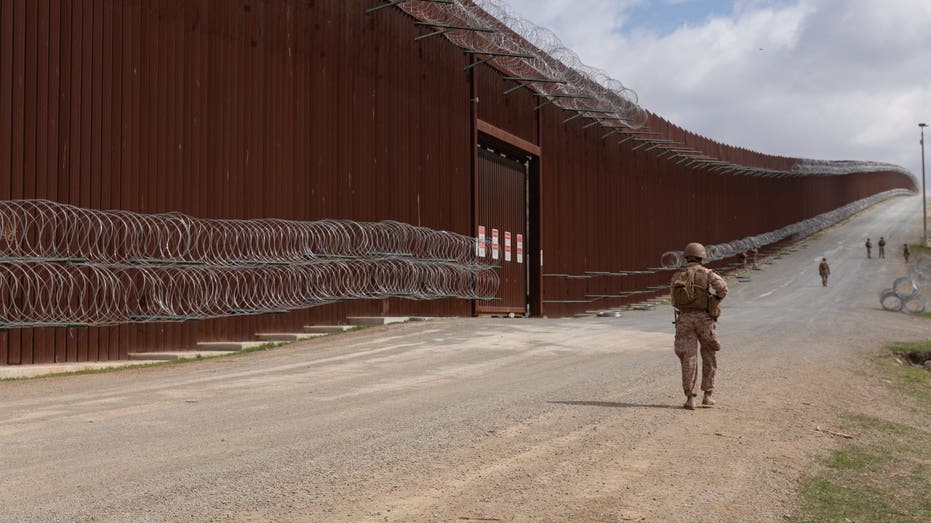

Border Patrol recorded 8,288 apprehensions along the southwest border in October, the lowest total for the opening month of a fiscal year. Nationwide, U.S. Customs and Border Protection reported 27,890 encounters, also a record October low. The figures came as the Department of Homeland Security reported 18 consecutive months without releasing migrants into the country from the border. Officials attributed the decline to expanded enforcement under President Donald Trump.
The October southwest border total was 7% lower than September, 95% below the Biden administration’s monthly average and 97% below the peak recorded in December 2023. Federal agencies also reported sharp increases in seizures of methamphetamine and cocaine during the month.
| 1) | October border encounters reach historic low |
| 2) | Zero-release streak extends to 18 months |
| 3) | Enforcement changes the crossing calculation |
| 4) | Drug seizures rise despite lower encounters |
| 5) | Officials warn that security risks remain |
October border encounters reach historic low
The new figures cover October, the first month of fiscal year 2027, and were released by DHS and CBP. Border Patrol recorded 8,288 apprehensions along the U.S.-Mexico border, while CBP counted 27,890 encounters nationwide. The nationwide figure was 7% below September and represented the lowest October total on record, as well as the lowest monthly total since February.
The southwest border apprehension total was far below levels recorded during the previous administration. Preliminary federal data showed 98,708 southwest border apprehensions for fiscal year 2026, approximately 95% below the Biden administration’s annual average of more than 1.8 million.
Zero-release streak extends to 18 months
DHS said the government had gone 18 consecutive months without releasing migrants into the country after their encounters at the border. The administration presented the streak as evidence that changes in processing and enforcement had altered the consequences of attempting to cross illegally.
Homeland Security Secretary Markwayne Mullin credited the administration’s approach to President Donald Trump and the department’s expanded use of its enforcement authorities.
“President Trump unleashed the full strength of DHS to secure the border and enforce the law. The results speak for themselves.”
Mullin said the administration would continue pursuing what he described as the country’s most secure border while emphasizing public safety.
Enforcement changes the crossing calculation
Former Yuma Sector Border Patrol Chief Chris Clem said the decline reflected both stronger border enforcement and the prospect of deportation. In an October interview, he contrasted current conditions with the heavy arrivals reported in Yuma, Arizona, during late 2021.
Clem said arrivals in Yuma rose from roughly 25 per day in December 2020 to more than 1,000 per day a year later. During one three-day period in December 2021, daily arrivals approached 1,500. He said agents and local communities were overwhelmed by the scale of the influx.
“They know that they’re not gonna be processed and released, which was the status quo under the Biden-Harris administration.”
Clem also said interior immigration enforcement reinforced the message that crossing the border did not guarantee release or prevent a later arrest and removal. CBP Commissioner Rodney S. Scott said the agency had gained an unprecedented level of control over the border.
Drug seizures rise despite lower encounters
The decline in apprehensions occurred alongside a monthly increase in drugs seized nationwide. CBP reported that combined seizures of cocaine, methamphetamine, heroin, fentanyl and marijuana rose 44% from September to October.
Authorities seized 14,745 pounds of methamphetamine and 9,032 pounds of cocaine during October. Those totals were increases of 59% and 60%, respectively, from the previous month. The federal release did not provide a separate October weight for fentanyl.
The figures show that reduced migrant encounters did not eliminate drug-smuggling activity or the need for inspections and enforcement at ports of entry and between them.
Officials warn that security risks remain
Clem cautioned that lower apprehension numbers could not establish that every person attempting to enter was detected. He said smugglers and individuals seeking to evade Border Patrol could still pose a security challenge, particularly across remote terrain.
“There are always gonna be that risk where somebody does sneak through. Who is that person?”
He said the country still needed to address immigration policy, including how to retain foreign nationals who want to contribute, but argued that those questions should not displace the priority of securing the border. The administration has continued to link border security with interior enforcement and removals.
| No. | Key Point |
|---|---|
| 1 | Southwest border apprehensions totaled 8,288 in October. |
| 2 | Nationwide encounters reached 27,890, the lowest October total on record. |
| 3 | DHS reported 18 straight months without border releases. |
| 4 | Methamphetamine and cocaine seizures rose sharply from September. |
| 5 | Former Border Patrol leadership warned that undetected crossings remain possible. |
Summary
October’s border data showed historically low encounter levels as the Trump administration continued its enforcement strategy and reported an 18-month zero-release streak. The figures indicate a major reduction from the averages and peaks recorded during the prior administration, while increased drug seizures demonstrate that enforcement demands persist. Officials said the results reflected stronger border and interior enforcement, but cautioned that lower apprehensions do not remove all security risks.
Frequently Asked Questions
How many southwest border apprehensions were recorded in October?
Border Patrol recorded 8,288 apprehensions along the southwest border in October.
What was the nationwide encounter total?
CBP recorded 27,890 encounters nationwide, a record low for October.
What does the zero-release streak mean?
DHS said the government had not released migrants into the country after border encounters for 18 consecutive months.
Did drug seizures also decline?
No. Combined seizures of several major drugs rose 44% from September, including increases in methamphetamine and cocaine seizures.
