

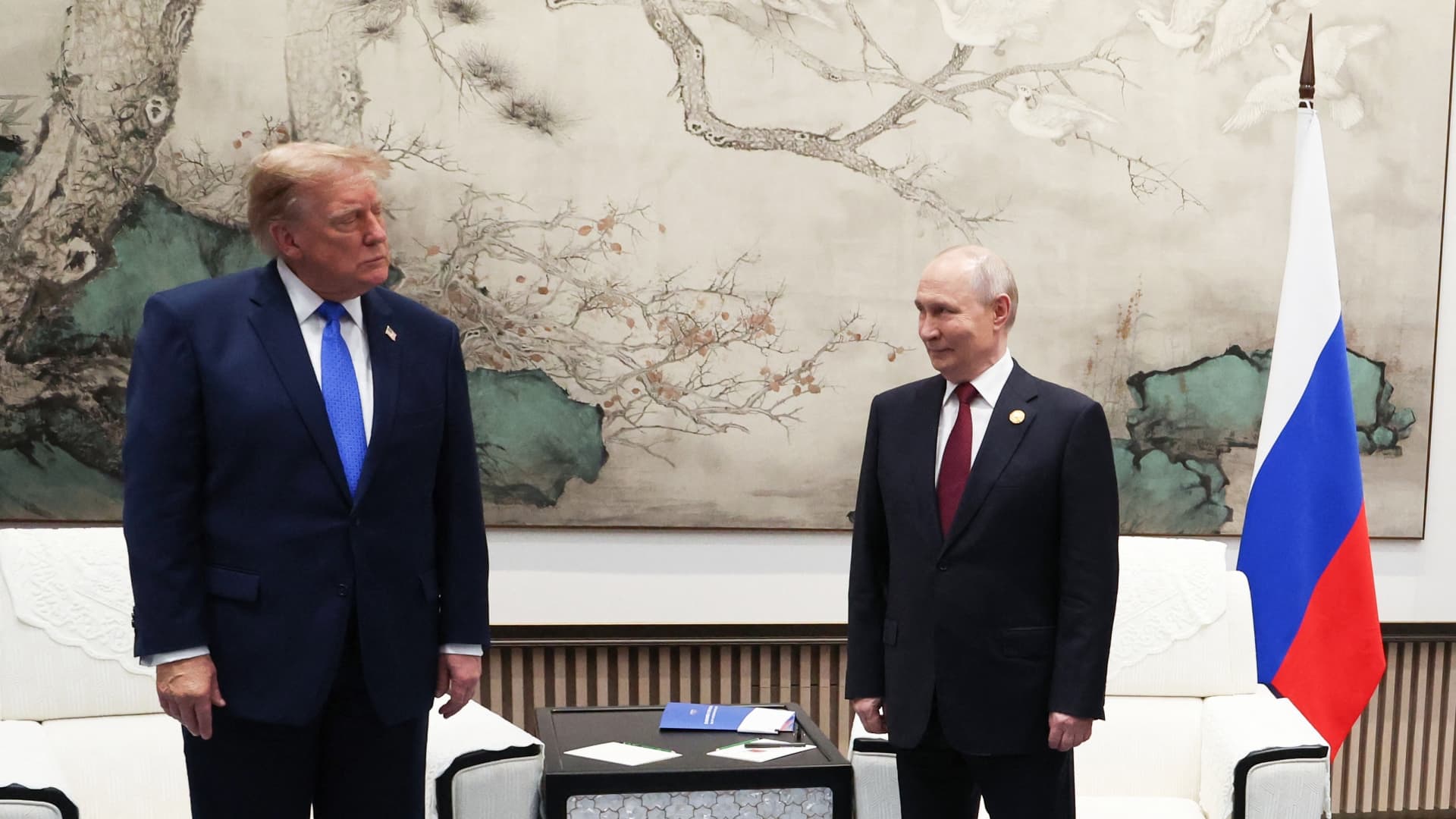

In a noteworthy gathering of global leaders, U.S. President Donald Trump convened with both Russian President Vladimir Putin and Chinese President Xi Jinping during the Asia-Pacific Economic Cooperation (APEC) Summit held in Shenzhen, China. The significant meetings included a separate bilateral engagement with each leader, contributing to discussions about pressing international issues, including the ongoing war in Ukraine and advancements in technology regulation. The interactions highlight the complex dynamics of international diplomacy as world leaders navigate both cooperation and competition on the global stage.
| Article Subheadings |
|---|
| 1) Overview of the APEC Summit |
| 2) Trump and Putin’s Bilateral Meeting |
| 3) Trump’s Discussion with Xi Jinping |
| 4) Implications of Technological Policies |
| 5) The Importance of APEC for Global Business |
Overview of the APEC Summit
The APEC Summit in Shenzhen brought together numerous world leaders, highlighting the region’s pivotal role in economic and geopolitical discussions. This annual meeting, focused on promoting free trade and economic growth, convened amid rising tensions and evolving alliances. Leaders from member states engaged in critical discussions regarding trade, technological advancement, and regional cooperation, emphasizing the need to address common challenges collectively. This year’s summit is particularly significant as it showcases China’s increasing influence in global affairs.
Trump and Putin’s Bilateral Meeting
On the sidelines of the APEC Summit, President Donald Trump engaged in a significant bilateral meeting with President Vladimir Putin. Their interaction lasted approximately 40 minutes, during which key topics included Russia’s ongoing military actions in Ukraine and broader geopolitical implications. The discussion marked their first face-to-face encounter since the previous summit in Alaska in August of the previous year. According to Russian aides, President Putin left the meeting in a positive mood, suggesting a degree of diplomatic progress, despite the weighty issues both leaders face on the global stage.
During their meeting, Trump expressed familiarity with Putin, stating, “We have a great relationship,” and emphasized the potential for positive outcomes from their discussions. This sentiment underscores Trump’s approach of seeking productive dialogue even amid controversies surrounding Russia’s actions in Ukraine. The session served as an opportunity for both leaders to align their interests ahead of the trilateral talks that included President Xi Jinping.
Trump’s Discussion with Xi Jinping
In conjunction with his meeting with Putin, President Trump also held discussions with President Xi Jinping. They entered the meeting alongside one another, signaling a cooperative stance amidst competitive tensions. President Xi announced a commitment of $20 million to bolster APEC cooperation, which reflects China’s dedication to advancing regional partnerships and contributions towards fostering economic development. Additionally, the establishment of a dedicated “Center for Asia-Pacific Community Studies” aims to facilitate research and dialogue among member nations.
Furthermore, Trump addressed the ongoing discourse surrounding artificial intelligence regulation. He firmly opposed any regulatory measures, asserting that such actions could hinder innovation within the booming tech sector. His comments claim that the United States has long been a Pacific power and continues to advocate for stability and growth in the region, reflecting the increasing interdependency of these global economies.
Implications of Technological Policies
The discussions surrounding technology regulation, particularly in relation to artificial intelligence, are indicative of the broader technological race between the U.S. and China. Trump’s rejection of regulatory measures highlights a strategic approach aimed at fostering innovation within the American tech landscape, especially as competition with Chinese technology increases. As global leaders acknowledge the significance of AI in shaping future economic environments, debates about regulation, ethical standards, and leadership in technology are becoming increasingly urgent.
Furthermore, the conversations at APEC not only reflect the ambitions of the U.S. and China but also carry implications for international businesses seeking to navigate these complex policies. As Michael Hart, president of AmCham China, noted, U.S. businesses recognize the power of the Chinese market while also striving to maintain their competitive edge. The summit’s discussions thus serve as a crucial platform for businesses to understand the geopolitical landscape and adapt to the changing dynamics of technology and trade.
The Importance of APEC for Global Business
The APEC Summit serves as a vital intersection for global business leaders, policymakers, and government officials to discuss mutual interests and challenges. By hosting the summit in Shenzhen, China leveraged its economic strengths and showcased its position as a leader in technological advancements. Discussions focused on trade agreements and cooperative strategies reflect the intention to foster a collaborative economic environment that benefits all member countries.
Moreover, the emphasis on multilateral cooperation signifies an acknowledgment of the complexities present in international trade, particularly in light of recent geopolitical tensions. As businesses face unprecedented challenges from varying regulatory frameworks and competition, APEC’s platform aims to facilitate dialogue that can lead to more cohesive and integrated economic strategies amongst member states.
| No. | Key Points |
|---|---|
| 1 | U.S. President Donald Trump engaged in critical meetings with both President Vladimir Putin and President Xi Jinping during the APEC Summit. |
| 2 | Discussions included significant topics such as the war in Ukraine and future technological policies, particularly regulation of artificial intelligence. |
| 3 | China committed $20 million to APEC initiatives, showcasing its focus on regional cooperation and economic stability. |
| 4 | The U.S. aims to maintain its position as a leader in technology by resisting proposed regulations on AI. |
| 5 | The summit highlighted the necessity for businesses to adapt to changing global dynamics, emphasizing international collaboration for mutual growth. |
Summary
The meetings at the APEC Summit illustrate the intricate interplay of international relations as leaders navigate pressing global issues. Through dialogues centered on cooperation, trade, and technology, Presidents Trump, Putin, and Xi showcased their countries’ commitments to addressing shared challenges while maintaining competitive edges. The outcomes of these discussions hold essential implications for global diplomacy, trade partnerships, and the approach to emerging technologies, emphasizing the importance of collaboration in an interconnected world.
Frequently Asked Questions
Question: What topics were discussed during the Trump-Putin meeting?
The discussions primarily focused on the ongoing Russian invasion of Ukraine and the future of U.S.-Russia relations. They aimed to find common ground amid geopolitical tensions.
Question: How is China contributing to APEC initiatives?
China announced a commitment of $20 million to support APEC cooperation and plans to establish a center for Asia-Pacific community studies, reflecting its dedication to regional collaboration.
Question: Why did Trump oppose regulating artificial intelligence?
Trump argued that regulatory measures could stifle innovation within the technology sector, emphasizing the need for the U.S. to continue leading in technological advancements.
