

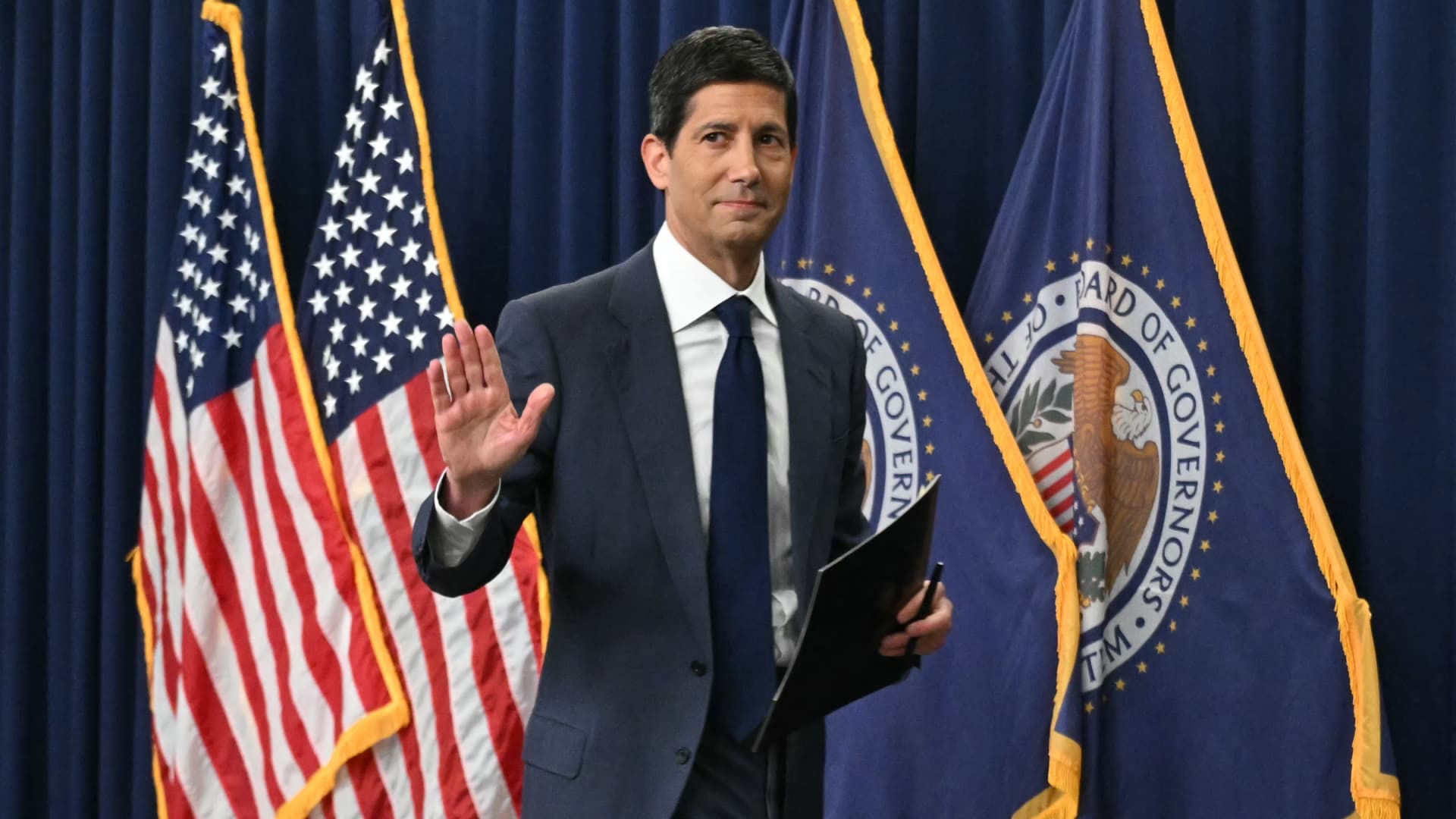

In an October meeting, Federal Reserve officials asserted the necessity for potential interest rate increases to combat stubborn inflation but opted to maintain their current rates temporarily while evaluating more economic data. Central to their discussions was the looming impact of artificial intelligence, identified as a crucial contributor to inflationary pressure. With inflation concerns squarely on their agenda, certain policymakers hinted at the possibility of a rate hike during their next meeting in December, fostering ongoing debates among Fed leadership regarding appropriate measures to stabilize the economy.
| Article Subheadings |
|---|
| 1) Concerns Over Inflation and Interest Rates |
| 2) The Role of Artificial Intelligence |
| 3) Fed’s Decision-Making Dynamics |
| 4) Market Reactions and Future Projections |
| 5) Summary of Key Points and Implications |
Concerns Over Inflation and Interest Rates
Federal Reserve officials convened in October, expressing a resolute stance on necessary actions to address ongoing inflation pressures. The minutes from the meeting indicated that most participants felt “further action to raise the target range for the federal funds rate… would likely be appropriate,” advocating for a return to the 2 percent inflation objective. However, the resolution to pause hikes at this meeting was based on the need for additional information to ascertain the economic landscape following previous increases.
The Fed’s current benchmark overnight borrowing rate is maintained between 3.75% and 4%, a decision arrived at through a 10-2 vote, highlighting internal divisions on the urgency for immediate escalation. While officials noted broad inflationary pressures across the economy, some members expressed the view that a quarter-point increase could be advantageous if data warranted such a move, illustrating the delicate balance the Fed must maintain as it navigates inflation without risking economic instability.
The Role of Artificial Intelligence
A significant focus of the recent discussions revolved around the implications of artificial intelligence on inflation and financial stability. Officials voiced concerns that the rapid growth of AI-related businesses and their associated debt could lead to substantial risks. Reports from Fed staff underscored that the off-balance-sheet leasing commitments and intricate financial arrangements of AI firms might exacerbate potential losses, particularly if earnings from AI investments fell short of expectations.
As highlighted in the meeting minutes, the rapid accumulation of AI-related debt has occurred through complex and less transparent financing methods, calling for a more cautious approach among policymakers. This situation has raised eyebrows regarding the concentration of financial exposures among a narrow group of firms. Additionally, officials anticipate that inflation will recede significantly as the current disruptions dissipate, with expectations that by 2027, inflation rates may substantially drop.
Fed’s Decision-Making Dynamics
The voting pattern reflected the Fed’s ongoing deliberation on the best path forward against persistent inflation. While those in favor of maintaining current rates cited the possible benefits of acquiring further data to hone policy decisions, dissenters such as Federal Governor Lisa Cook and Beth Hammack, President of the Cleveland Fed, supported a quarter-point increase to better align with the inflationary reality. This split indicates a growing intrigue and apprehension surrounding inflation dynamics and the corresponding Fed actions.
As the prevailing economic conditions are evaluated continuously, inflation remains higher than the target, evidenced by the consumer price index rising 0.4% in October. Most officials have recommended a patient approach toward adjusting rates, emphasizing the importance of careful analysis instead of hasty actions. The desire to mitigate inflation risks while ensuring economic recovery underscores the challenging role the Fed plays during these volatile times.
Market Reactions and Future Projections
Recent statements from Fed Governor Christopher Waller, who voiced the necessity for potential “shock” market adjustments, have stirred speculation about possible continued rate hikes. With markets currently factoring in a quarter-point increase for the upcoming December meeting, the discussion continues regarding how much action should be taken as rate fluctuations impact broader financial elements.
While some officials foresee the need for further adjustments—including larger hikes—others caution against acting too aggressively, fearing it could erode the Fed’s credibility. The pivotal influence of external factors, notably geopolitical tensions such as concerns arising from the conflict in Iran and previous tariff implementations, adds layers of complexity to the Fed’s decision-making landscape, warranting careful scrutiny as they weigh their options moving forward.
Summary of Key Points and Implications
As discussions surrounding inflation, interest rates, and the influence of emerging technologies unfold, it becomes evident that the Federal Reserve is at a critical juncture in its policymaking journey. The emphasis on artificial intelligence as both a driver of inflation and a potential threat to financial stability has sparked significant debate within Fed ranks. Furthermore, market unpredictability and the need for patient analysis compel officials to consider long-term strategies that secure a balanced economic environment while addressing immediate inflation concerns.
Continued vigilance is required as policymakers navigate the intricacies of the evolving economic landscape, ensuring comprehensive data analysis plays a vital role in crafting strategies aimed at returning inflation to desired levels while fostering sustainable economic growth.
| No. | Key Points |
|---|---|
| 1 | Federal Reserve officials are considering further interest rate hikes to combat persistent inflation. |
| 2 | Artificial intelligence has been identified as a significant source of inflation risk and financial instability. |
| 3 | After discussions, the Fed decided to keep current interest rates stable for now while evaluating additional economic data. |
| 4 | Policymakers are wary of market reactions and the implications of external factors on inflation trends. |
| 5 | A nuanced and patient approach is being advocated by most officials amidst rising prices, focusing on long-term economic strategies. |
Summary
The Federal Reserve’s October meeting underscored the ongoing challenges posed by inflation, emphasizing the critical role that both economic factors and technological advancements play in shaping future policies. As officials weigh different monetary strategies, the interplay of artificial intelligence and its influence on financial stability remains a primary concern. Moving forward, the balancing act of stimulating the economy while curtailing inflation will require thoughtful analysis and vigilance from the Fed.
Frequently Asked Questions
Question: How does the Federal Reserve decide on interest rate changes?
The Federal Reserve’s decision-making process involves evaluating economic data, inflation rates, and overall financial stability. Officials discuss these factors during policy meetings to determine appropriate interest rate adjustments aimed at achieving their economic objectives.
Question: What role does artificial intelligence play in inflation concerns?
Artificial intelligence is seen as both an innovative tool and a potential contributor to inflation, as its rapid development could lead to market disruptions and financial instabilities, necessitating close scrutiny from policymakers.
Question: What can we expect at the upcoming Federal Reserve meeting in December?
The December meeting is anticipated to discuss potential interest rate hikes, with current market expectations leaning toward a modest quarter-point increase, although some Fed officials may advocate for more significant adjustments based on ongoing inflation data.
