

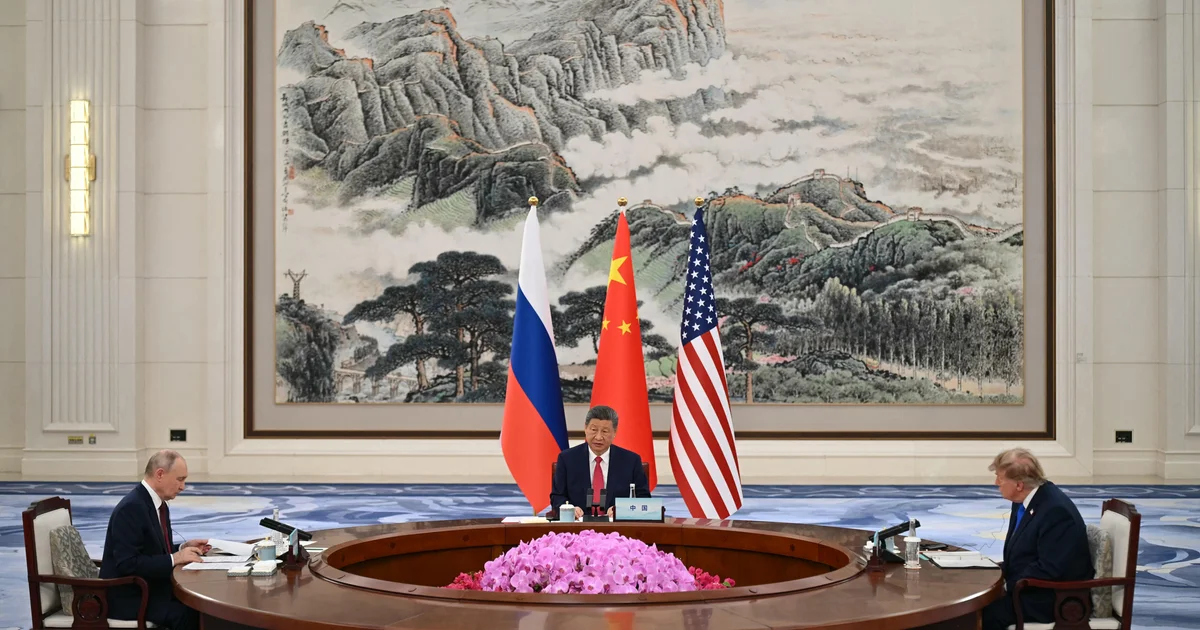

In a significant diplomatic meeting, the leaders of the United States, China, and Russia convened on November 19, 2026, in Shenzhen, China. President Donald Trump, President Xi Jinping of China, and President Vladimir Putin of Russia participated in a trilateral summit, which marks a unique opportunity for collaboration among these major global players. Prior to the main discussions, Trump engaged in separate talks with both Xi and Putin, addressing pressing issues ranging from global trade to ongoing conflicts affecting international relations.
| Article Subheadings |
|---|
| 1) Background of the Trilateral Meeting |
| 2) Key Topics Discussed |
| 3) Challenges in Global Relations |
| 4) Insights on Trade and Economics |
| 5) Conclusion of the Summit |
Background of the Trilateral Meeting
The meeting held in Shenzhen coincided with the Asia-Pacific Economic Cooperation (APEC) summit, highlighting the significance of economic cooperation among some of the world’s largest economies. The choice of Shenzhen, China’s tech hub, adds additional layers to this gathering, as it is a center of technological advancement and innovation. President Trump, President Xi, and President Putin are all pivotal figures on the global stage, with their nations holding considerable influence over international policy, trade, and security.
The meeting is particularly notable given the strained relations among these countries in recent years, marked by trade wars, accusations of espionage, and military tensions. Such face-to-face interactions provide an opportunity to alleviate misunderstandings and build diplomatic bridges. Trump’s prior engagements with both Xi and Putin before the main summit demonstrate an effort to lay the groundwork for a more comprehensive dialogue.
Key Topics Discussed
The discussions between Trump and Putin reportedly focused on the ongoing war in Ukraine, a pressing issue that has garnered international attention and concern. Putin left the initial meeting with Trump in good spirits, indicating that some progress may have been made concerning the matter. Trump has highlighted the war in Ukraine as a significant topic in discussions, referring to it as “my favorite subject.” This reflects a recognition of the conflict’s impact on geopolitical stability.
Additionally, Trump and Xi engaged in critical conversations about trade, focusing on tariffs and economic relations between the United States and China. Trump noted that the two had spoken about trade for two hours, with particular emphasis on American farmers and the need for China to increase its purchases of U.S. agricultural products. This highlights the interdependence of these economies and the importance of maintaining a constructive trading relationship.
Challenges in Global Relations
As leaders discussed pressing global issues, various challenges loomed large. Beyond the immediate concerns of the Ukraine conflict, tensions surrounding Taiwan remain a point of contention between the U.S. and China. Xi’s previous warnings about Taiwan, which he considers a renegade province, indicate that the issue could escalate if not carefully managed. Trump’s discussions aimed to press Xi on this front, emphasizing the need for diplomacy over military action.
Iran also featured in the backdrop of the talks given its significant oil trade with China and military ties with Russia. Both Russia and China have vested interests in the region, raising questions about their support for Iran amid escalating U.S. sanctions and pressures. This multifaceted situation underscores the complexity of international diplomacy, where issues of trade, security, and historical alliances converge.
Insights on Trade and Economics
During the APEC summit, Trump was vocal about the necessity of fostering economic growth and stability within the Asia-Pacific region. He asserted that the U.S. economy is flourishing, thereby signaling a message of strength to both allies and rivals. Trump’s administration has been engaged in a concerted effort to renegotiate trade agreements and set the groundwork for future economic partnerships.
The backdrop of China’s burgeoning technology sector also raised eyebrows, particularly regarding recent allegations about espionage and the diversion of advanced U.S. chips to Chinese firms. The situation highlights concerns about technological dominance and establishes a critical point of negotiation between the three leaders. These discussions could lead to significant policy shifts regarding how technology is shared and safeguarded among nations.
Conclusion of the Summit
The summit ultimately served as a platform for these leaders to express their varying perspectives on numerous matters affecting global stability. Despite the myriad challenges, such meetings reflect a commitment to dialogue and negotiation as means to achieve mutual understanding. The follow-up from this trilateral meeting could pave the way for future discussions addressing economic relations, security concerns, and collaborative efforts in technology regulation.
As the leaders concluded their meeting, the ramifications of their discussions are likely to resonate across international borders, influencing policies and geopolitical dynamics in the months and years ahead. It’s a testament to the importance of diplomacy in today’s interconnected world, where the stakes are high, and the need for cooperation has never been greater.
| No. | Key Points |
|---|---|
| 1 | Trump, Xi, and Putin held a rare trilateral meeting in Shenzhen, China, during the APEC summit. |
| 2 | Key discussions included the war in Ukraine and trade relations between the U.S. and China. |
| 3 | Tensions surrounding Taiwan and Iran were acknowledged as critical issues during talks. |
| 4 | Technological disputes, particularly regarding AI and chip technology, were key discussion points. |
| 5 | The summit highlighted the importance of diplomacy in managing international relations and global stability. |
Summary
The trilateral meeting between President Trump, President Xi, and President Putin underscores the necessity of continuous diplomatic engagement among the world’s leading powers. While concerns about war, trade, and technology persist, the discussions reflect efforts to navigate these complex issues collaboratively. If successful, such dialogues should assist in fostering better international relationships, sustaining economic growth, and addressing the pressing challenges of today’s geopolitical landscape.
Frequently Asked Questions
Question: What is the significance of the trilateral meeting in Shenzhen?
The trilateral meeting is significant as it brings together the leaders of the U.S., China, and Russia to address crucial global issues, including conflicts, trade, and technology. Such high-level discussions can pave the way for improved diplomatic relations and collaborative solutions to pressing international challenges.
Question: How do trade relations between the U.S. and China impact global economics?
U.S.-China trade relations are critical to global economics as both nations represent some of the world’s largest economies. Trade agreements, tariffs, and economic policies established between these two countries can influence international market conditions, supply chains, and global economic stability.
Question: What role does technology play in the discussions between these leaders?
Technology plays a pivotal role in the discussions among these leaders, primarily surrounding concerns of cybersecurity, intellectual property theft, and the regulation of advanced technologies such as artificial intelligence. Addressing these issues is essential for maintaining competitive and cooperative relations in an increasingly tech-driven world.
