

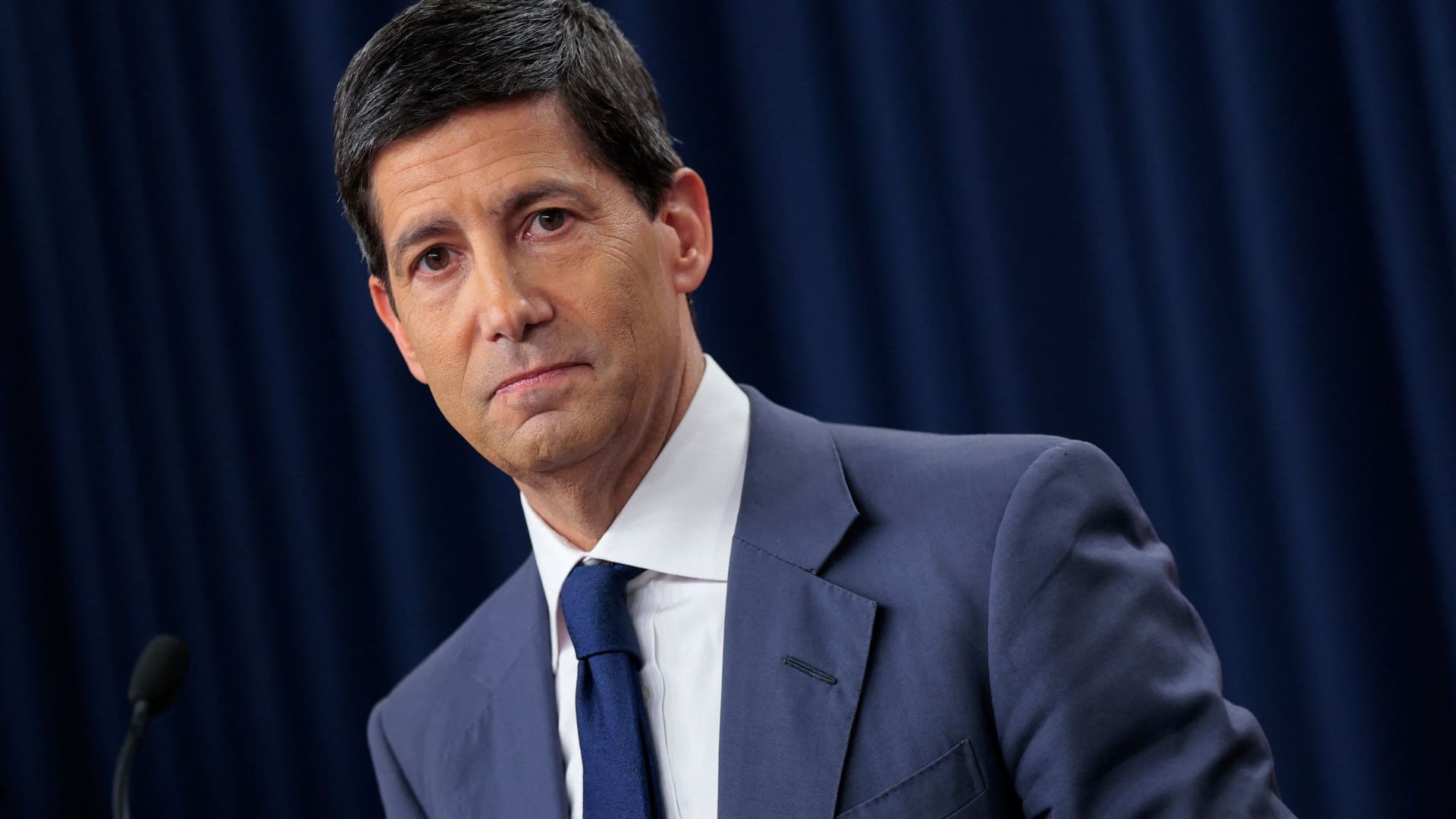

In a rapidly evolving economic landscape, Kevin Warsh, the new chairman of the Federal Reserve, has maintained a cautious stance regarding monetary policy and interest rates. His colleagues, however, have been vocal in expressing differing views on inflation management. The debate within the Federal Open Market Committee (FOMC) has intensified, with key officials advocating for urgent rate hikes amidst rising inflation. This article explores the implications of the FOMC’s divergent opinions and the dynamics at play under Warsh’s leadership.
| Article Subheadings |
|---|
| 1) Warsh’s Cautious Approach to Monetary Policy |
| 2) Rising Consensus on Rate Hikes |
| 3) The Internal Tensions Within the Fed |
| 4) Market Reactions and Future Predictions |
| 5) The Importance of Clear Communication |
Warsh’s Cautious Approach to Monetary Policy
Since his appointment, Kevin Warsh has taken a conservative approach towards providing guidance on future monetary policy. Notably, in his inaugural six months, he has refrained from signaling where interest rates might head. This strategic withholding of forward guidance appears intentional, allowing flexibility for policymakers and preventing premature commitments. Warsh has articulated a preference for allowing market conditions to dictate decisions, rather than locking into anticipated moves based on forward guidance.
In this context, Fed officials have filled the void left by Warsh’s cautiousness, each espousing their own perspectives on the necessity of increasing interest rates to combat persistent inflation. The diverse views shared publicly by FOMC members—while potentially distracting—underscore the varied economic scenarios each official perceives. Fed officials emphasize that investors need clarity to understand the rationale behind their policy decisions, which underscores the rising necessity for succinct communication from the central bank.
Rising Consensus on Rate Hikes
Current discussions among Fed officials suggest an increasing agreement on the urgency of addressing inflation through higher rates. A consensus appears to be forming around the idea that rates should be raised sooner rather than later, capturing the attention of economists and market participants alike. Prominent figures in the FOMC, including Christopher Waller and Alberto Musalem, advocate for aggressive hikes to take place quickly, emphasizing the need for proactive measures.
These discussions are set against a backdrop of conflicting opinions within the Fed, where some officials recognize the economic implications of introducing rate hikes too hastily. The Bank of America reports that the volume of public discussions—termed “Fedspeak”—has significantly increased, suggesting heightened anxiety among officials regarding managing inflation. Traders are responding to these signals with expectations of rate increases at the Fed’s upcoming meetings, heightening the stakes for policymakers as they gauge how quickly to respond to inflationary pressures.
The Internal Tensions Within the Fed
The FOMC currently embodies a landscape marked by internal tension, particularly concerning their communications strategy. The reluctance of Warsh to lead with clear guidance complicates the dialogue surrounding necessary rate hikes. Experts note that the absence of explicit direction from Warsh could be spurring other members of the committee to voice their opinions more fervently, with each member’s unique viewpoint shaping the overall perception of the Fed’s direction.
Minutes from recent meetings reveal significant discord, with some officials voicing their concerns about the lack of coordinated forward guidance. The prevailing attitude among these officials has been that having a clear communication strategy regarding future tightening could help maintain market stability. As Ed Yardeni highlighted, misalignment in communication could restrict the Fed’s ability to act decisively when it’s most required, thus demonstrating how nuanced discussions can lead to critical policy ramifications.
Market Reactions and Future Predictions
Financial markets, in response to the Fed’s varied signals, have reacted with a hawkish outlook. Current market indicators now imply a high probability of at least a quarter-point increase in rates during the next FOMC meeting. Analysts predict that a string of hikes may follow soon thereafter as traders adjust their expectations based on the Fed’s public communications, signaling their readiness for rapid adjustments to monetary policy.
Moreover, as inflation remains above the central bank’s target of 2%, the continued inflationary climate poses significant challenges. Markets, however, have shown some resilience; for instance, long-term inflation expectations have declined despite the ongoing volatility. This juxtaposition points to traders’ growing confidence that inflation will stabilize, even as the Fed contemplates aggressive action in the immediate future. Yet, amid these mixed signals, the risk of excessive rate volatility persists, potentially destabilizing economic recovery efforts.
The Importance of Clear Communication
In light of the increasing complexity surrounding monetary policy, effective communication from the Federal Reserve becomes vital. As Fed officials navigate the fine line between transparency and commitment, the importance of clarifying their viewpoints emerges as critical. Recent statements from officials indicate a commitment to maintaining open lines of communication with the markets while avoiding rigid forward guidance that could prove detrimental in a rapidly changing economic climate.
Some officials, like Austan Goolsbee, have underscored the necessity for central banks to express their perspectives without locking themselves into a predetermined course of action. This balance of providing adequate insight while maintaining flexibility will be essential for the Fed as it seeks to manage public expectations. As Anna Paulson articulated, ensuring that the public comprehends Fed’s views and communication styles is essential for maintaining confidence in the central bank’s competency.
| No. | Key Points |
|---|---|
| 1 | Chairman Kevin Warsh has taken a cautious approach towards forward guidance, emphasizing decision-making flexibility. |
| 2 | A rising consensus among Fed officials is pushing for imminent interest rate hikes to combat inflation. |
| 3 | Internal tensions are evident in the Fed as officials disagree on the need for forward guidance. |
| 4 | Markets have reacted with a hawkish outlook, anticipating increases in interest rates, amid perennial inflation. |
| 5 | Effective communication from the Fed is critical for maintaining market confidence and understanding its monetary policy direction. |
Summary
The discussions arising from the Federal Reserve showcase a complex interplay of voices seeking to understand and respond to enduring inflationary challenges. As Kevin Warsh navigates his role amid rising pressures, the necessity for cohesive communication and responsive action remains paramount. The conflicting viewpoints among Fed officials underline the importance of flexibility in policymaking, especially in the face of evolving economic conditions that require a delicate balance of transparency and adaptability.
Frequently Asked Questions
Question: What is the role of the Federal Reserve?
The Federal Reserve, often referred to as the Fed, serves as the central bank of the United States, tasked with regulating monetary policy, maintaining price stability, and promoting economic growth.
Question: Why is communication important for the Federal Reserve?
Clear communication from the Fed helps to manage market expectations surrounding monetary policy, which can influence economic conditions and ensure stability within financial markets.
Question: What does a “hawkish” stance mean in monetary policy?
A hawkish stance refers to an approach that favors higher interest rates to control inflation, signifying a readiness to take aggressive action against rising prices, contrasting with a dovish stance that supports lower rates to stimulate economic growth.
