

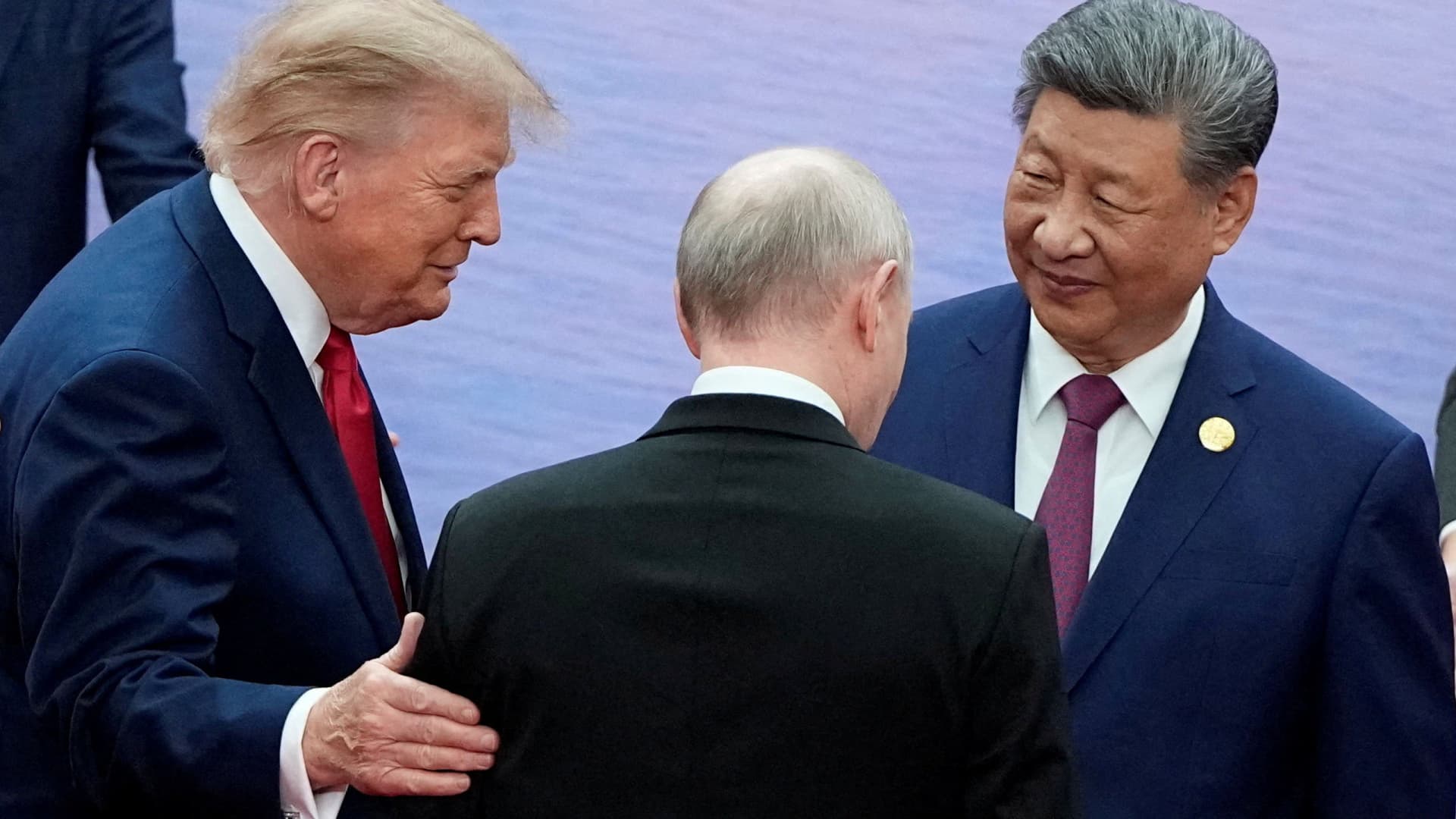

In a striking demonstration of global diplomacy, U.S. President Donald Trump, Russian President Vladimir Putin, and Chinese President Xi Jinping convened at the Asia-Pacific Economic Cooperation (APEC) summit held in Shenzhen, China, from November 17 to 19, 2026. This year, the summit has provided an essential platform for leaders to address significant global issues while also navigating the intricate dynamics of international relations. During a welcoming banquet, critical discussions surrounding innovation and mutual cooperation were initiated, as leaders prepared for bilateral and trilateral meetings to explore pathways to strengthen their nations’ relationships.
| Article Subheadings |
|---|
| 1) Observations from the APEC Banquet |
| 2) Absence of Key Tech Figures at the Summit |
| 3) The Shift in U.S.-China Relations |
| 4) Reactions to the Opening Speeches |
| 5) Implications for Future Global Cooperation |
Observations from the APEC Banquet
The APEC banquet held in Shenzhen showcased a gathering of world leaders at a critical juncture in international relations. As the attendees mingled, U.S. President Donald Trump arrived to recognize the diplomatic atmosphere draped in discussions of economic cooperation and support for mutual growth. During this event, Xi Jinping extended a toast to his fellow leaders, emphasizing the need to “expand mutual opening up” and “explore pathways to innovation-driven growth.” The banquet served as more than just a social gathering; it was the precursor to significant correspondences that the leaders would engage in over the APEC summit’s three days. Attendees noted that despite previous tensions, a cooperative spirit seemed to dominate the evening, prompting optimism amongst representatives for fruitful discussions ahead.
Absence of Key Tech Figures at the Summit
The absence of prominent figures from the technology sector, such as Jensen Huang, CEO of Nvidia, and Elon Musk, CEO of Tesla, was palpable during the Shenzhen summit. Just two months prior, both had been central figures at a meeting with Trump and Xi in Washington, D.C. Their nonattendance raised questions about the shifting landscape of influence within the global political economy. Observing the proceedings, one could sense a deliberate distancing, with leaders showing a readiness to confront pressing global concerns, such as artificial intelligence and technological advancement, independently of legendary industry figures. This strategic omission seemed to signify a new direction in which geopolitical discourse could operate without being dominated by business magnates.
The Shift in U.S.-China Relations
The ongoing meetings at APEC offered a reflective backdrop for the evolving dynamics between the United States and China. In recent months, there had been considerable media speculation surrounding potential confrontations regarding allegations against Huang involving an alleged Chinese spy. However, reports indicated that Trump planned to avoid these sensitive topics in favor of focusing on constructive dialogue. The absence of heated rhetoric, combined with an emphasis on collaboration, suggested a departure from previous cycles of escalating tensions. Observers noted that despite lingering issues in bilateral relations, such as trade disputes, the leaders appeared committed to fostering a collaborative environment aimed at tackling shared global challenges.
Reactions to the Opening Speeches
During the APEC CEO Summit, there was a noticeable buzz of anticipation among the attendees as the leaders prepared to address the gathering. Xi Jinping opened the summit with a call for multilateral cooperation, emphasizing the importance of smaller nations in the global dialogue. His remarks resonated positively among those present, although the initial applause was subdued, and many attendees captured the moment on their smartphones. Shortly after, the Malaysian Prime Minister Anwar Ibrahim followed suit, advocating for changes within the multilateral framework and highlighting the responsibility of major nations to recognize and uplift smaller economies. Despite powerhouse leaders not taking center stage, the speeches shed light on evolving perspectives on international cooperation.
Implications for Future Global Cooperation
As the APEC summit progressed into substantive discussions involving supportive economic policies and the integration of innovative technologies, leaders were presented with an opportunity to reshape the narrative around global cooperation. The friendly exchanges between representatives, including Trump and Wang Wentao, China’s Commerce Minister, indicated a potential thaw in relations that could open doors for future engagement. As demonstrated throughout the banquet and discussions, the convergence of strong leadership from major economies could usher in new policies aimed at collaboration, ensuring that nations can thrive together in a fast-paced, technology-driven world. While differences remain, the summit marked a significant step toward a more collaborative global stage.
| No. | Key Points |
|---|---|
| 1 | The APEC summit in 2026 provided a platform for major world leaders to address pressing global issues. |
| 2 | Notable technology executives were absent from the summit, indicating a shift in how discussions are conducted without direct business involvement. |
| 3 | U.S.-China relations seem to be evolving toward more constructive dialogues despite ongoing tensions. |
| 4 | Leaders emphasized multilateral cooperation in opening speeches, focusing on the roles of smaller nations. |
| 5 | The summit showcased potential pathways for future cooperation on global challenges amid a changing power dynamic. |
Summary
The 2026 APEC summit in Shenzhen served as a crucial event for international cooperation and dialogue, where world leaders began laying the groundwork for future relations amid existing tensions. As discussions unfolded in a constructive manner, the absence of key tech figures signaled a renewed focus on governmental roles in global policymaking. With indications of evolving diplomatic relationships, particularly between the U.S. and China, the summit highlighted the necessity for a concerted effort to navigate complementary paths forward in addressing urgent global challenges. Ultimately, the conversations and actions taken at this APEC summit could foreshadow a more collaborative approach to international relations going forward.
Frequently Asked Questions
Question: What is APEC?
APEC, or the Asia-Pacific Economic Cooperation, is a forum for 21 Pacific Rim countries that promotes free trade and economic cooperation throughout the Asia-Pacific region.
Question: Why was the absence of tech executives significant at the summit?
The absence of prominent tech executives like Elon Musk and Jensen Huang at the summit indicated a shift in focus towards government-led discussions, allowing leaders to engage in critical dialogues without direct influence from major industry figures.
Question: What were the main topics discussed during the summit?
Key topics included economic cooperation, innovation-driven growth, and addressing the roles and recognition of smaller nations in the multilateral framework, particularly in the context of U.S.-China relations.
