

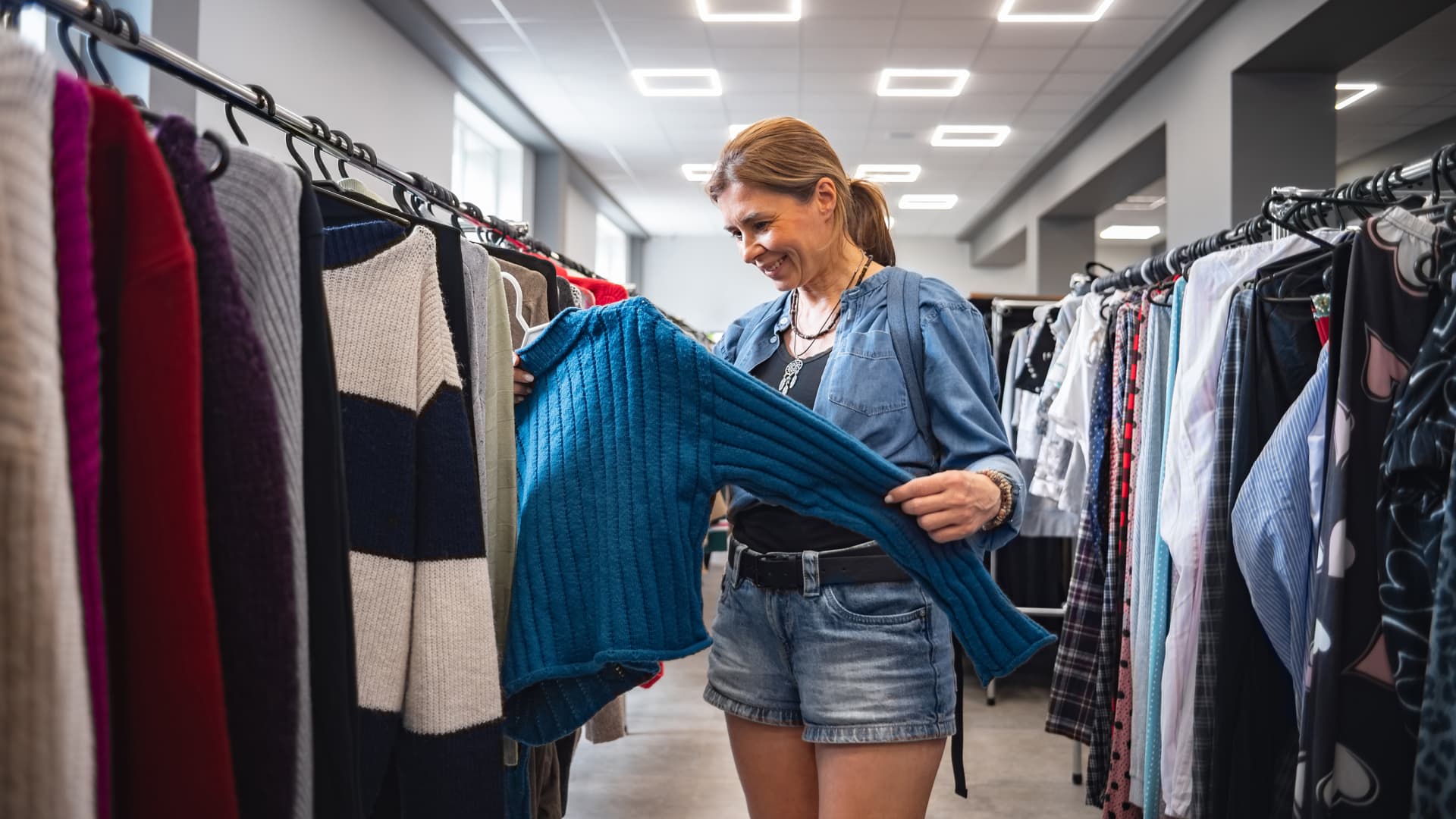

As consumers navigate the challenges of high living costs this holiday season, a significant shift is occurring in shopping habits, with many turning to secondhand retail and thrifting for holiday purchases. The trend is evolving as consumers seek better value and personalization in their gifts, with the U.S. secondhand apparel market experiencing rapid growth influenced predominantly by younger generations. Analysts suggest that this phenomenon not only reflects changing economic conditions but also highlights a desire for uniqueness in consumer purchases.
| Article Subheadings |
|---|
| 1) Financial Constraints Driving Shift to Secondhand Shopping |
| 2) Secondhand Market Expansion and Consumer Perspectives |
| 3) Value and Quality: The New Consumer Mantra |
| 4) Personalization Over Mass Production |
| 5) Retailers Adapt to the Changing Landscape |
Financial Constraints Driving Shift to Secondhand Shopping
As inflation and rising living costs continue to pressure household budgets, consumers find themselves seeking alternatives to traditional retail. According to recent data, the consumer price index saw an increase of 0.4% in October, underscoring the economic challenge many face. This climate of financial constraint has prompted shoppers to pivot towards secondhand items, with expectations that total holiday spending will exceed $1 trillion for the first time. However, some of this projected growth is attributed to inflation, which adds to the urgency for consumers to find more affordable options.
Analysts suggest that the trend towards secondhand shopping is not merely a response to costs but also an active choice motivated by the desire for value. As shoppers become more selective about their spending, items classified as ‘pre-loved’ or ‘thrifted’ are gaining newfound prestige. Such purchases are perceived not only as budget-friendly but also as opportunities to find unique items that add character to one’s wardrobe or home.
Secondhand Market Expansion and Consumer Perspectives
The U.S. secondhand apparel market, which has expanded by 13% over the past year, is projected to reach nearly $80 billion by 2030. Much of this growth stems from Gen Z and millennials, who prioritize unique shopping experiences over conventional retail purchases. A recent survey from consumer insights firm The Consumer Collective indicated that 34% of respondents believe secondhand items provide better value than new ones.
This shift towards secondhand shopping is reflected in the experiences of many consumers, who report a growing excitement about discovering exceptional finds. According to Katherine Cullen, a global senior retail analyst, today’s consumer behaviors draw parallels to the ‘thrill of the hunt’ that characterized shopping during previous economic downturns. More consumers are willing to seek out secondhand options, particularly during the holiday season when personalized gifts carry greater importance.
Value and Quality: The New Consumer Mantra
A notable aspect of the secondhand shopping experience is the perceived value of quality that older or vintage items often possess. Shoppers like Vanessa Roberts, who has been thrifting for two decades, highlight a stark contrast between current mass-produced goods and those available in thrift stores. “It’s crazy that you can find better quality items at the thrift store right now from 20 years ago versus what you can find at stores right now,” Roberts reflects.
As quality declines in mass-market fashion, consumers are actively seeking alternatives that offer substantial value beyond mere cost. Items such as vintage clothing and unique home décor pieces come with their adds inherent stories and rich histories, creating a sense of connection for buyers. The allure of obtaining quality items at lower prices while rediscovering the charm of vintage craftsmanship has revitalized interest in thrifting during the holiday season.
Personalization Over Mass Production
In an era dominated by algorithms and mass production, consumers increasingly crave individuality in their purchases. The desire for uniqueness plays a pivotal role in shopping habits, especially when selecting gifts for loved ones. Survey findings from Alon Rotem, chief strategy officer at ThredUp, reveal a burgeoning appreciation for one-of-a-kind items, alongside the value—highlighting a significant shift in consumer expectations.
Instead of relying on conventional retail offerings, shoppers are finding joy in the concept of ‘snowflake’ products that are not only distinctive but also carry a sense of authenticity. This means turning to secondhand markets where the likelihood of encountering truly unique pieces is far greater than in mainstream retail outlets. As consumers prioritize personal expression through their choices in shopping, pre-owned items resonate deeply compared to off-the-shelf selections.
Retailers Adapt to the Changing Landscape
Recognizing the transformative nature of these shopping trends, larger retail players are beginning to adapt their strategies to embrace the growing interest in secondhand and vintage goods. Companies like Lululemon, Patagonia, and Madewell have ventured into offering pre-owned items, signaling a shift in the industry’s approach to consumer engagement. Such moves demonstrate that even high-end brands are attuned to the changing tastes of consumers who seek sustainability while also maintaining style.
As Wall Street begins to take a closer look at whether this secondhand movement signifies a lasting change, stocks in platforms specializing in resale, such as eBay, have seen significant gains. Conversely, companies that focus on resale models have faced mixed results, with some experiencing declines. Analysts point to a growing conversation about authenticity in the marketplace, fueling optimism surrounding the expansion of the secondhand economy.
| No. | Key Points |
|---|---|
| 1 | The U.S. secondhand apparel market is experiencing rapid growth driven largely by younger generations. |
| 2 | Consumers seek unique, personalized gifts over mass-produced items, particularly during the holiday season. |
| 3 | High inflation and increased living costs lead consumers to favor secondhand options for cost-effectiveness and quality. |
| 4 | Larger retailers are increasingly recognizing the demand for secondhand items and adapting their business models accordingly. |
| 5 | The appeal of vintage and unique secondhand items is reshaping consumer shopping habits and preferences. |
Summary
As economic pressures mount and consumer preferences evolve, the trend towards secondhand and thrift shopping is surging. This shift not only reflects a quest for value in the marketplace but also signifies a growing interest in personalized and unique shopping experiences. By embracing the charm of pre-owned treasures, consumers are redefining the narrative around holiday gift-giving, merging sustainability with individuality. Retailers’ responses to this changing landscape may well determine the future of retail in an era where value and uniqueness reign supreme.
Frequently Asked Questions
Question: Why are consumers shifting to secondhand shopping this holiday season?
Consumers are shifting to secondhand shopping due to rising costs of living, inflation, and a desire for unique, personalized gifts that stand out from mass-produced options.
Question: How is the secondhand apparel market performing in comparison to traditional retail?
The secondhand apparel market is growing significantly, at a rate four times faster than the overall retail clothing market, with expectations to reach nearly $80 billion in the coming years.
Question: What demographic is primarily driving the growth of secondhand shopping?
The growth of secondhand shopping is primarily driven by younger generations, particularly Generation Z and millennials, who are more focused on individualism and sustainability in their purchasing choices.
