

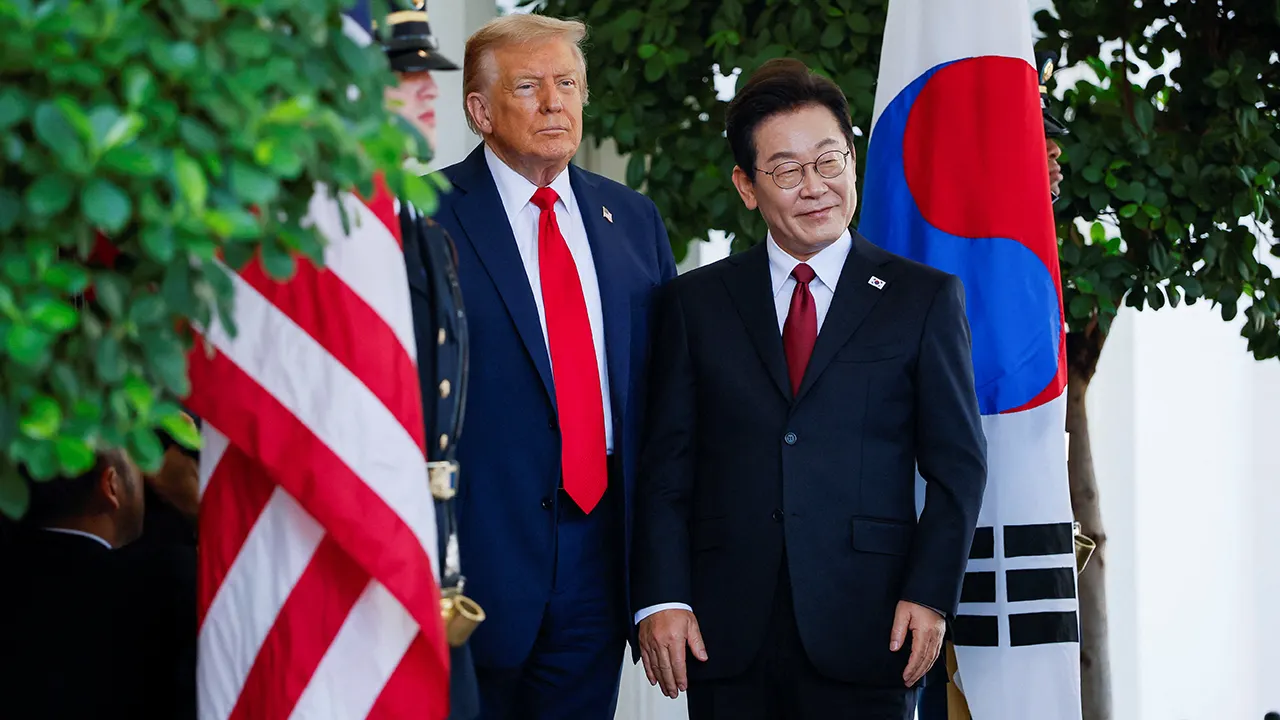

The escalating tensions between the United States and South Korea have come to a head as officials from the White House have accused the South Korean government of breaching its commitments to fair treatment of American tech companies. The accusations specifically target Coupang, South Korea’s leading e-commerce platform, which has recently faced substantial fines totaling nearly $688 million from South Korean regulators. The situation highlights underlying friction in bilateral relations, particularly regarding trade practices and allegations of discrimination against U.S. businesses.
| Article Subheadings |
|---|
| 1) Overview of the Dispute Between the U.S. and South Korea |
| 2) Coupang: The Backbone of South Korea’s E-Commerce |
| 3) South Korea’s Response to U.S. Allegations |
| 4) The Implications for U.S.-South Korea Relations |
| 5) The Way Forward: Finding Common Ground |
Overview of the Dispute Between the U.S. and South Korea
The White House has publicly criticized South Korea for allegedly failing to uphold its commitment to fair treatment of American companies, particularly in relation to Coupang, which has recently been levied hefty fines. Officials claim that these fines, amounting to approximately $688 million, which include a provisional penalty of $224 million targeted specifically at Coupang’s food delivery services, represent a breach of the agreed-upon principles of fair competition.
This situation has significant ramifications for the U.S.-South Korea economic partnership, with the tensions emerging in a context where both countries heavily rely on each other for trade and investment. The recent fines against Coupang signal a growing rift that could potentially impact broader strategic goals between the two nations.
The White House has called for South Koreans to adhere to their commitments on equitable treatment towards U.S. companies, emphasizing that fairness and reciprocity are paramount for fostering long-term business relations. The administration is currently evaluating various policy options to respond to these disparities.
Coupang: The Backbone of South Korea’s E-Commerce
Coupang, often dubbed the “Amazon of South Korea,” has grown exponentially since its inception in 2010 by Bom Kim, a Korean-American entrepreneur who left Harvard Business School to start the company. Currently headquartered in Seattle and listed on the New York Stock Exchange, Coupang dominates South Korea’s e-commerce landscape, largely due to its innovative logistics system known as “Rocket Delivery,” which enables rapid delivery of goods.
Despite its operations being primarily based in South Korea, Coupang contributes significantly to the American economy. The company is noted for driving over $5 billion in overseas sales of U.S. goods and services in 2025 alone. This economic activity reinforces the argument that ensuring fair treatment for Coupang is not merely a national interest issue for South Korea; it is also essential for maintaining the integrity of U.S. business practices abroad.
Coupang’s success demonstrates the increasing globalization of markets and the intricacies of multinational trade relationships, further complicating the ongoing disputes between South Korea and the U.S.
South Korea’s Response to U.S. Allegations
In response to the allegations put forth by U.S. officials, South Korean representatives have firmly denied any wrongdoing. A spokesperson from the South Korean embassy emphasized the nation’s commitment to lawful investigations, stating that all actions taken by regulatory bodies conform to existing laws and regulations. Furthermore, the embassy has reiterated the country’s dedication to maintaining a fair business environment for both local and foreign companies.
South Korean officials view the accusations as unfounded and detrimental not only to their reputation but also to the economic discussions between the two countries. They stress that maintaining strategic partnerships with the U.S. remains a priority and that allegations of bias or unfair treatment are taken seriously.
The government claims that it remains open to dialogue with American officials in order to rectify misunderstandings and strengthen the bilateral relationship, indicating that the future of this partnership will depend on continued communication and cooperation.
The Implications for U.S.-South Korea Relations
The ongoing crisis holds substantial implications for U.S.-South Korea relations, which have been historically characterized by shared values and economic cooperation. Disputes such as these can lead to increased skepticism and tensions that may affect cooperation on broader global issues, including North Korea’s nuclear threat and other regional security matters.
Moreover, as the U.S. identifies the potential for discrimination against its companies, it could lead to a broader reevaluation of trade agreements and foreign investment policies between the countries. The potential fallout from any retaliatory measures could strain not only specific sectors, like tech and e-commerce, but also general business sentiments among American enterprises looking to operate in South Korea.
This rift raises concerns over the future of economic partnerships and showcases the delicate balance required in managing international relations, particularly in an environment of global economic uncertainty.
The Way Forward: Finding Common Ground
To address the issues at hand, both the U.S. and South Korea may need to engage in open and constructive dialogue to resolve the underlying tensions. This will require willingness from both sides to listen to concerns and explore alternatives that foster mutual growth and understanding.
Developing frameworks for fair competition that are acceptable to both nations could enhance business prospects and repair trust. Moving forward, it is crucial for policymakers to collaborate to identify solutions that not only address the specific grievances surrounding Coupang but also reinforce the broader commitment to collaboration and trade.
By focusing on communication and transparency, the two countries can work towards a resolution that serves their mutual interests and upholds the core principles of equity and non-discrimination in international business.
| No. | Key Points |
|---|---|
| 1 | U.S. officials accuse South Korea of breaching fair treatment commitments regarding U.S. tech companies like Coupang. |
| 2 | Coupang, a major player in e-commerce, faces significant regulatory fines from South Korean authorities totaling approximately $688 million. |
| 3 | South Korea has vehemently denied the allegations, asserting compliance with laws and promoting fair practices. |
| 4 | The escalating tensions threaten to strain the historically collaborative U.S.-South Korea relationship, pivotal for regional stability. |
| 5 | Finding common ground and promoting open dialogue will be crucial in resolving disputes and strengthening the economic partnership. |
Summary
The current standoff between U.S. officials and the South Korean government over allegations of unfair practices against American tech companies underscores the complexities of international economic relations. With growing scrutiny over Coupang’s operations and substantial fines being imposed, both nations are at a critical juncture that necessitates diplomatic engagement and resolution. Strengthening trust and cooperation between the U.S. and South Korea can ensure that both countries benefit from mutual trade—and ultimately contribute to regional stability.
Frequently Asked Questions
Question: What are the repercussions of the fines imposed on Coupang?
The fines could lead to a deterioration of the economic relationship between the U.S. and South Korea, ultimately affecting future investments and trade agreements that depend on equitable treatment.
Question: How does Coupang compare to Amazon?
Coupang is often referred to as the “Amazon of South Korea” due to its vast e-commerce platform and rapid delivery services, though it operates independently and has no affiliation with Amazon.
Question: What steps might the U.S. take in response to South Korea’s actions?
The U.S. government is currently evaluating various policy options to address perceived discrimination against American companies, and potential diplomatic engagements could emerge as part of this effort.
