

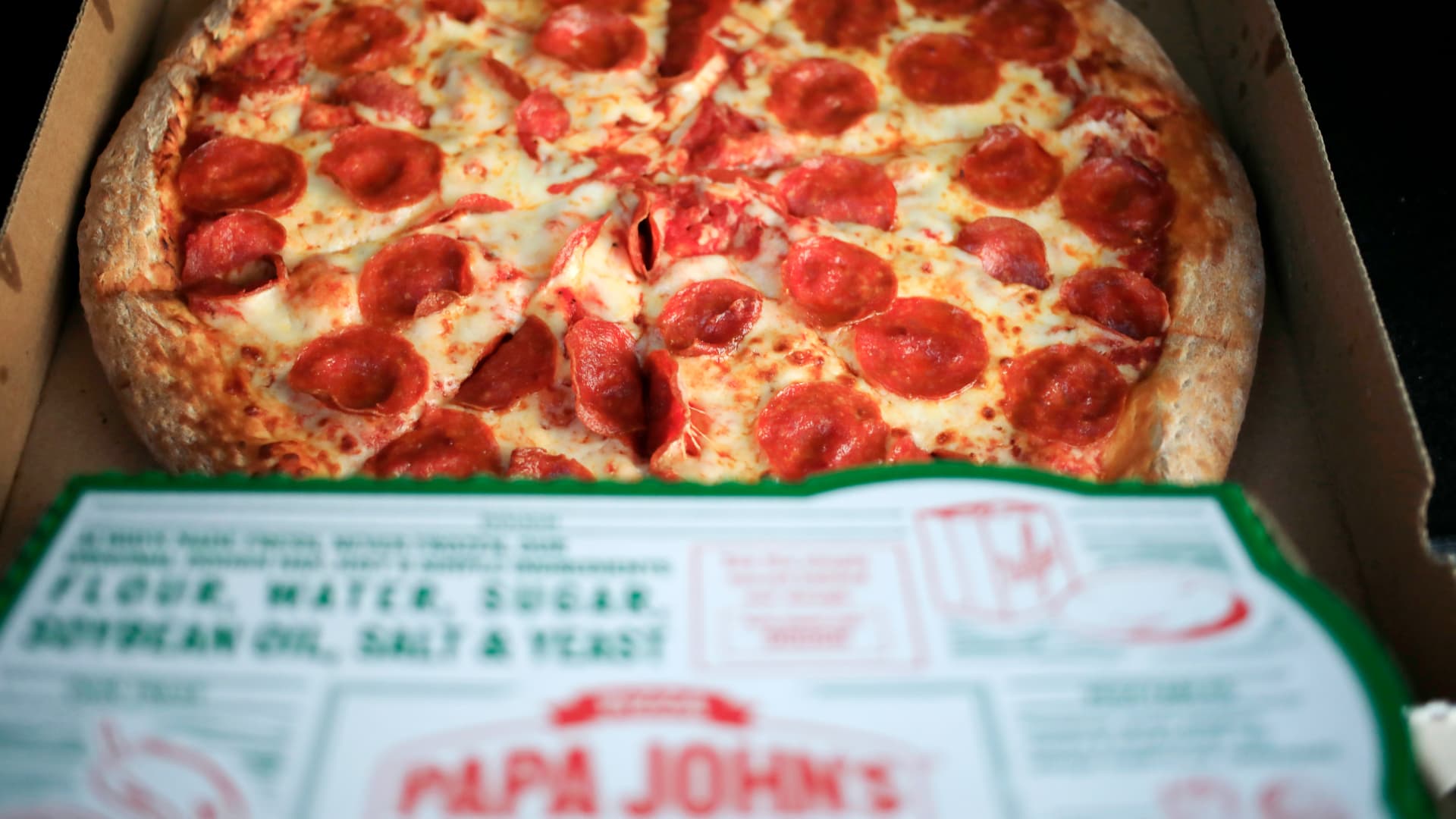

Recent trends indicate that major pizza chains in the U.S. are facing significant struggles, driven by reduced consumer spending and an increase in competition from diverse dining options. Following the pandemic, chains such as Domino’s Pizza, Papa John’s, and Pizza Hut have witnessed a notable decline in sales as customers explore myriad alternatives for dining. Additionally, the surge in the popularity of GLP-1 medications, which influence dietary choices, along with rising food prices, is further complicating the landscape for these traditional favorites.
| Article Subheadings |
|---|
| 1) Pandemic Boom Turns to Struggles |
| 2) Sales Declines Across Major Chains |
| 3) Competition Intensifies in the Food Delivery Sector |
| 4) Dietary Shifts and Their Impact |
| 5) Strategies for Recovery and Future Outlook |
Pandemic Boom Turns to Struggles
During the COVID-19 pandemic, leading pizza chains enjoyed unprecedented growth as consumers sought comfort food from the safety of their homes. Major players in the industry like Domino’s Pizza, Papa John’s, Little Caesars, and Pizza Hut thrived in an environment where takeout and delivery became the norm. However, as dining rooms began to reopen and restrictions eased, these chains faced a stark reality: shifting consumer preferences and increased competition from a broader array of dining options.
The reopening of dining establishments has resulted in a decrease in the volume of pizza sales, with consumers now opting to explore a variety of cuisines available through easy-access delivery services. Even as the demand for pizza remains, it is no longer the primary choice it once was. Analysts cite factors such as rising costs and a growing emphasis on value as significant hurdles for these chains.
Sales Declines Across Major Chains
Amid changing market dynamics, the financial repercussions for U.S. pizza restaurants have been concerning. According to reports, the number of pizza establishments has seen a dramatic decrease in recent years. From a peak of 83,035 pizzerias in August 2019, over 9,600 have shut down by July 2026. This decline in establishments is mirrored by a reduction in sales; with a reported 0.3% drop in 2025 sales across U.S. pizza restaurants. Even independent pizzerias, known for their unique offerings, saw a similar dip in revenue.
Specific chains report similar struggles: Papa John’s experienced a 2.5% decline in same-store sales in North America, while Pizza Hut recorded a staggering 5% decrease in the same metric. Contrastingly, only Domino’s marked an increase in its U.S. same-store sales, managing a growth of 3%. This stark difference highlights a significant divide in performance amid the same industry pressures.
Competition Intensifies in the Food Delivery Sector
The competitive landscape for pizza has transformed substantially since the height of the pandemic, with diners now having access to a plethora of food delivery options beyond just pizza. Rapidly growing third-party delivery platforms have significantly increased the variety of available cuisines, placing traditional pizza chains in competition with fast-food giants and other dining establishments for target customers.
The financial ramifications of this increased competition are palpable. With a growing popularity of alternatives, the average cost of a large cheese pizza has also risen to almost $17, according to the 2026 Pizza Power Report. This price increase may deter price-sensitive consumers from opting for pizza in favor of more affordable delivery or takeout options, including traditional fast food, which often comes with lower price points.
Additionally, frozen pizzas have risen in sales, appealing to budget-conscious diners. Retailers report a 2.9% increase in frozen pizza sales over the previous year, further indicating a shift away from ordering fresh pizzas from restaurants. Industry experts suggest that as more consumers prioritize cost-effectiveness and convenience, pizza’s attractiveness in the marketplace is waning.
Dietary Shifts and Their Impact
The rise of GLP-1 medications, commonly prescribed for weight management and diabetes, has contributed to significant dietary changes among consumers, especially in regards to high-carbohydrate foods. Pizza’s inherent composition of dough and cheese makes it less appealing to individuals on these medications, which may reduce their interest in traditional pizza offerings. Surveys indicate that spending on pizza at quick-service restaurants dropped by 22.2% per GLP-1 household after just six months of medication usage.
In light of these shifts, chains have been slow to adapt to evolving nutritional preferences. Although Papa John’s was the only major chain to attempt to innovate by testing a pizza crust with added protein—as part of a one-day promotion in a single Atlanta location—others have not significantly altered their offerings. This failure to respond to dietary trends may further alienate health-conscious customers who were once loyal to these chains.
Strategies for Recovery and Future Outlook
Despite the challenges currently facing the pizza sector, industry analysts remain optimistic about its long-term viability. While overall servings of pizza have decreased by only approximately 1% this year, proactive measures are in place to help reverse sales declines. Major chains are implementing new strategies to attract consumers and rejuvenate the pizza experience.
For example, Domino’s has launched a customizable Detroit-style personal pizza specifically designed for solo diners. Meanwhile, Papa John’s revealed a turnaround plan aimed at enhancing food consistency across locations and improving restaurant operations. Pizza Hut, too, has rolled out holiday-themed meal deals to entice diners back during a traditionally busy season.
Commenting on the current state of the industry, observers believe, “Pizza’s not going anywhere.” The general consensus is that while chains are working through a turbulent period, consumer love for pizza presents room for recovery and continued engagement in this beloved culinary segment.
| No. | Key Points |
|---|---|
| 1 | Major U.S. pizza chains are struggling with declining sales post-pandemic. |
| 2 | Competition has increased significantly from diverse food delivery options. |
| 3 | Consumer dietary trends, particularly related to GLP-1 medications, affect pizza sales. |
| 4 | Pizza chains are implementing new strategies to counteract loss of business. |
| 5 | Industry experts believe the pizza category will recover despite current challenges. |
Summary
The landscape for U.S. pizza chains is undoubtedly challenging, with declining sales exacerbated by increased competition and changing consumer preferences. While the pandemic initially allowed these chains to thrive, they are now confronting the results of evolving dining habits and economic pressures. However, adaptive strategies and an ongoing love for pizza suggest that these challenges may not equate to an end for the beloved dining option; rather, they could motivate innovative changes within the industry.
Frequently Asked Questions
Question: What are the current challenges faced by pizza chains?
Pizza chains are struggling with declining sales post-pandemic, faced with increased competition and changing consumer preferences, particularly regarding dietary shifts.
Question: How have food delivery options affected pizza sales?
The rise of third-party food delivery platforms has introduced a wider variety of cuisines for consumers, leading to increased competition for pizza chains as customers explore different dining options.
Question: What strategies are pizza chains deploying to attract customers?
Chains such as Domino’s and Papa John’s are launching new menu items and turnaround plans to enhance food quality and customer experience, in an effort to regain their customer base.
