

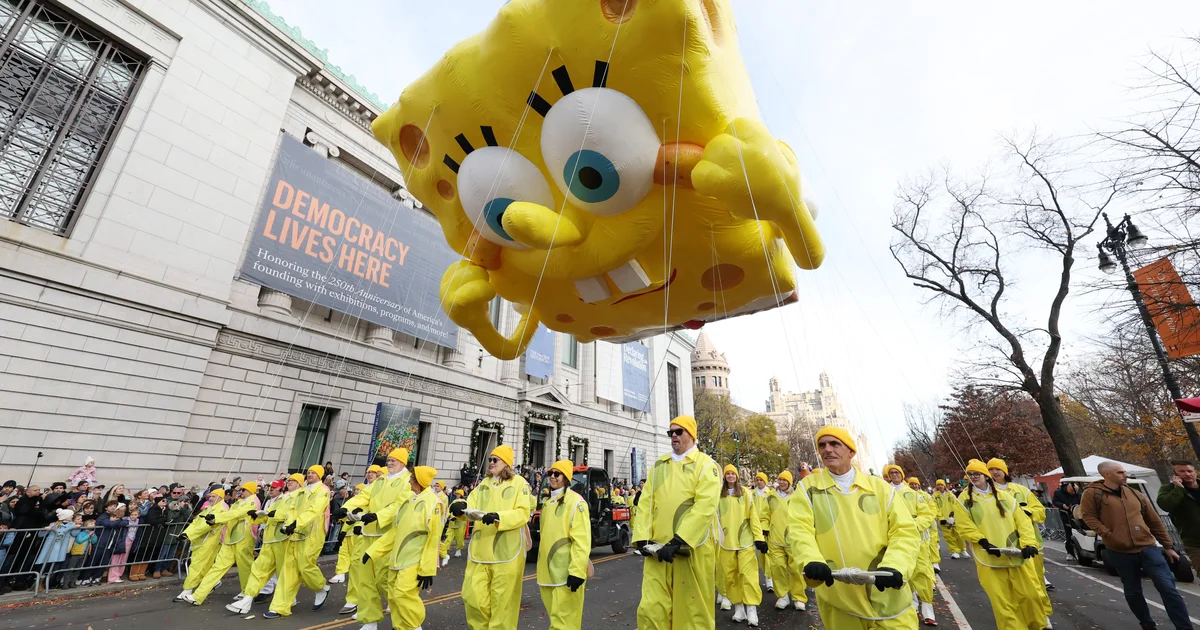

In a historic first, the Macy’s Thanksgiving Day Parade has been postponed due to severe weather conditions, according to announcements made by parade officials. The 100th annual event was originally scheduled for Thanksgiving morning and is now set to take place on Saturday at 8:30 a.m. This decision comes as New York City braces for a powerful coastal storm expected to bring heavy rain and gusty winds, prompting officials to prioritize the safety of participants and spectators alike.
| Article Subheadings |
|---|
| 1) Reasons Behind the Postponement |
| 2) The Impact of Severe Weather |
| 3) Historical Context of the Parade |
| 4) Logistical Challenges of Rescheduling |
| 5) Future Precautions and Planning |
Reasons Behind the Postponement
Macy’s officials cited the paramount importance of safety as the primary reason for postponing the iconic parade. The company’s statements reflect a broad consensus with city officials and emergency management authorities, underscoring the unpredictable nature of New York weather during this transitional season. Concerted discussions with local authorities informed the decision, with a statement from Macy’s emphasizing:
“The safety of our participants and spectators is our top priority, and after close consultation with our city and agency partners, we’ve made the decision to move the celebration due to expected severe weather.”
This commitment to safety highlights the challenges of hosting large-scale public events in rapidly changing weather conditions.
The Impact of Severe Weather
As the storm approaches, forecasters predict strong winds, heavy rainfall, and potential flash flooding affecting New York City and its surrounding areas. Mayor Zohran Mamdani acknowledged the extreme weather’s potential impacts, warning that gusts could reach up to 65 mph, creating unsafe conditions for the large balloons and crowds traditionally associated with the parade. Public safety officials are particularly vigilant given historical incidents during past parades that led to injuries caused by wayward balloons and hazardous conditions. The mayor stated,
“While we were looking forward to celebrating Macy’s 100th Thanksgiving Day Parade tomorrow, extreme weather has forced us to reschedule for Saturday instead.”
Historical Context of the Parade
The Macy’s Thanksgiving Day Parade, established in 1924, holds a revered place in American culture. This year’s event marks a significant milestone as it celebrates its 100th anniversary, potentially adding to the emotional weight of postponing the event on Thanksgiving for the first time in history. The parade has previously faced interruptions, such as from 1942 to 1944 during World War II when helium resources were repurposed for the war effort. However, weather-related postponements have never occurred, making this decision a notable point in parade history.
Logistical Challenges of Rescheduling
Rescheduling the parade involves considerable logistical hurdles. As a massive public event with thousands of participants, including performers, marching bands, and volunteers, there are complexities in re-arranging travel, accommodations, and schedules. Will Coss, executive producer of the parade, indicated that the team has been in constant communication with participants, many of whom traveled from various parts of the country. He noted the constraints imposed on preparations, stating,
“By moving the parade to Saturday when weather conditions are much more favorable, we can give New Yorkers the celebration that they’ve been looking forward to without compromising on safety.”
Despite these challenges, there is optimism around successfully executing the parade two days later.
Future Precautions and Planning
Looking forward, Macy’s and city officials emphasize the importance of safety as they plan future events, particularly in light of climate change and increasing unpredictability in weather patterns. The decision made this year will likely set a precedent for how such significant events are handled in the future. Safety protocols may adapt to account for severe weather forecasts, ensuring that the festivities can proceed without jeopardizing public safety. Rescheduling the parade also affects police and city services, prompting over 1,000 officers to be called back into duty to manage the event on Saturday. In this dynamic environment, the collaboration between event organizers, city officials, and safety personnel will be crucial.
| No. | Key Points |
|---|---|
| 1 | The Macy’s Thanksgiving Day Parade has been postponed due to severe weather conditions for the first time in history. |
| 2 | Safety concerns from winds up to 65 mph prompted the decision to reschedule the parade to Saturday. |
| 3 | This year marks the 100th anniversary of the parade, adding to the emotional significance of the rescheduling. |
| 4 | The logistical challenges of moving the parade include rearranging participants’ travel and accommodations. |
| 5 | Organizers and officials plan to implement new safety protocols for future events in light of potential weather-related disruptions. |
Summary
The postponement of the Macy’s Thanksgiving Day Parade underscores the impact of severe weather on large public events. By prioritizing safety, parade officials have set a precedent for future celebrations, emphasizing the need for flexibility and preparedness in the face of changing environmental conditions. As the parade marks its centennial anniversary, the collaboration between city authorities and organization teams reflects a commitment to ensure that the festival continues to be a source of joy and inspiration for millions, reiterating the mantra that safety always comes first.
Frequently Asked Questions
Question: What led to the postponement of the Macy’s Thanksgiving Day Parade?
The parade was postponed due to a powerful coastal storm predicted to bring severe weather conditions, including strong winds and heavy rain, making it unsafe for participants and spectators.
Question: How has the parade been affected in the past?
Historically, the parade has faced interruptions, but this is the first instance of a weather-related postponement. Previous interruptions were primarily due to World War II, when helium was redirected for war efforts.
Question: What adjustments are being made for the rescheduled parade?
Organizers are coordinating with participants to manage logistics, including travel and accommodations, to ensure a successful celebration on the new date.
