

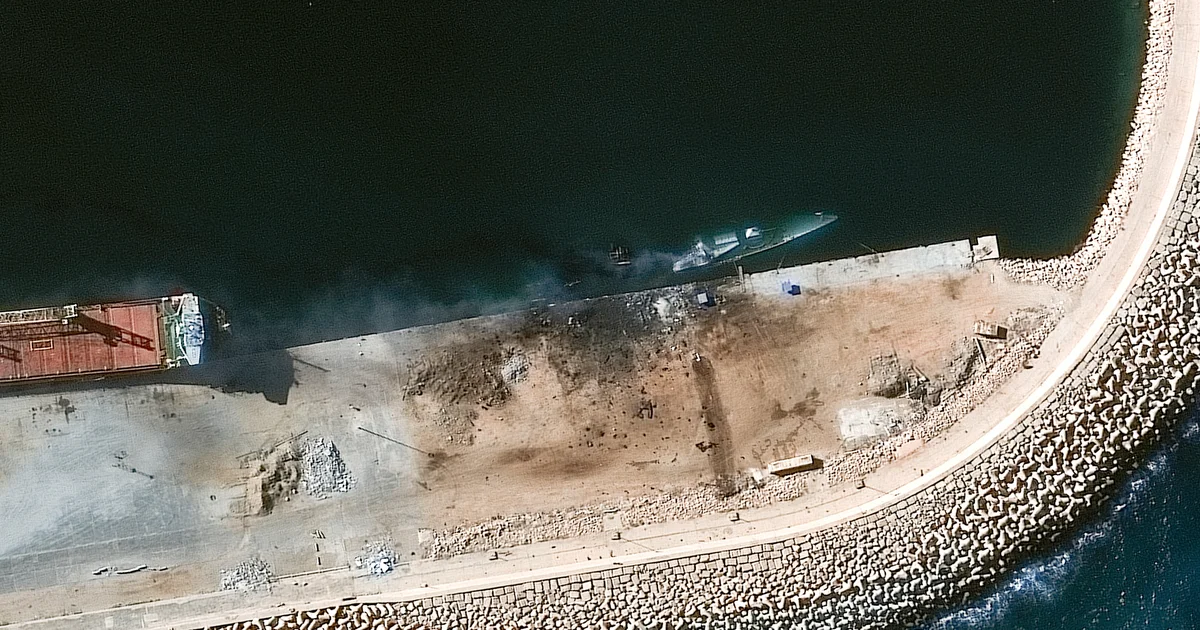

In a bold declaration, Ukrainian President Volodymyr Zelenskyy confirmed that his nation was responsible for an attack on a Russian warship near Libya, employing naval drones in the operation. This striking assault, which resulted in the sinking of a Russian corvette, highlights the ongoing tensions stemming from the Russia-Ukraine conflict, now encroaching into the North African region. As conflict persists, the situation draws attention from international bodies, emphasizing the need for stability in Libya.
| Article Subheadings |
|---|
| 1) The Attack on the Russian Corvet |
| 2) Details of the Operation |
| 3) The Aftermath of the Strike |
| 4) Regional and International Reactions |
| 5) The Importance of Libya in Global Conflicts |
The Attack on the Russian Corvette
In a significant escalation of naval tensions, Ukrainian President Volodymyr Zelenskyy announced that Ukrainian forces successfully attacked a Russian corvette in a targeted operation off the Libyan coast. The incident marks a notable instance of Ukrainian military engagement extending beyond its borders in response to ongoing conflict with Russia. The Ukrainian president emphasized that this action demonstrates Ukraine’s resolve to confront Russian military aggressions directly. The corvette, identified as the Merkury, was noted as one of the newest vessels commissioned by Russia amid its continued military efforts in Ukraine.
Details of the Operation
According to President Zelenskyy, the assault on the Merkury involved the deployment of seven domestically produced naval drones, showcasing Ukraine’s growing capabilities in modern warfare technology. This strategic operation was executed after meticulous planning, in which Ukrainian forces were able to penetrate defensive measures that the Russian military had likely set up around the ship. The successful sinking of the corvette underscores Ukraine’s commitment to retaliate against Russian naval assets, reflecting a broader strategy to undermine Russian military dominance in the region.
Zelenskyy expressed confidence in the operation’s success, stating, “The targets we set were achieved,” signifying a morale boost for Ukrainian maritime operations. Ukrainian forces took additional steps to target associated Russian assets, reportedly striking the MV Angara, a cargo ship used to transport military supplies, and destroying a Ka-27 military helicopter during the barrage. These actions are seen as direct responses to the ongoing arms supply from Russia to pro-Russian entities.
The Aftermath of the Strike
The impact of the Ukrainian naval operation reverberated beyond military circles into local civilian lives, particularly in the city of Benghazi, Libya, where the attack occurred. Residents reported hearing loud explosions early Sunday morning, followed by smoke and fire emanating from the naval base. Eyewitness accounts and local media suggest that confusion and panic ensued among the residents as civil defense forces were dispatched to extinguish the blaze arising from the stricken corvette.
Libyan officials have since confirmed that the corvette suffered extensive damage due to the drone strike, leading to its eventual sinking. The situation has created a complex dynamic in Libya, a nation already grappling with internal divisions between rival administrations. These developments draw attention to the inherent instability in the region and how external conflicts can influence local geopolitics.
Regional and International Reactions
The United Nations Support Mission in Libya (UNSMIL) expressed deep concern regarding the recent attack, emphasizing the need for immediate investigations. In a statement, the mission underscored that “Libya cannot afford, and must not become a battleground for foreign conflicts.” This statement reflects a growing anxiety within the international community about potential escalations affecting Libya’s already tenuous stability.
Officials from various nations have called for restraint, highlighting the elevated risk of broader confrontations resulting from cross-border military operations. The attack has drawn mixed reactions; some view it as a necessary act of defense by Ukraine, while others worry that it could prompt increased Russian military responses in the region, escalating tensions further. Observers are now more focused on how the conflict might unfurl in Libya, particularly with the ongoing presence of international and regional powers who have vested interests in the outcome of conflicts in Ukraine and Libya.
The Importance of Libya in Global Conflicts
Libya’s geopolitical significance cannot be overstated; the country has become a focal point for international rivalries following the fall of long-time dictator Muammar Gaddafi in 2011. Ever since, Libya has been fragmented into competing administrations, creating a fertile ground for foreign powers to exert influence. Russia has developed close ties with the eastern-based government, while the U.S. and its allies have primarily supported the government in Tripoli.
The current conflict between Ukraine and Russia further complicates Libya’s status on the global stage, as attacks like the recent one against the Russian corvette raise questions about the lengths to which nations may go to assert their territorial claims and military capabilities. Libya remains an area where strategic interests clash, making it essential for observers to monitor developments closely, especially as nations respond to shifting alliances and military engagements.
| No. | Key Points |
|---|---|
| 1 | Ukraine claimed responsibility for the sinking of a Russian corvette using naval drones near Libya. |
| 2 | The operation involved the deployment of seven domestically produced naval drones by Ukrainian forces. |
| 3 | Local residents in Benghazi reported explosions and fires at the naval base, resulting from the Ukrainian attack. |
| 4 | The UN has expressed serious concerns about the ramifications of the attack and the potential escalation of conflict in Libya. |
| 5 | Libya’s strategic location makes it a battleground for international power dynamics involving Russia and the West. |
Summary
The recent announcement by Ukrainian President Volodymyr Zelenskyy regarding the successful sinking of a Russian corvette off the Libyan coast marks a significant escalation in the Russia-Ukraine conflict. Highlighting the expanding theatre of warfare, this event emphasizes the broader implications of military engagements in Libya, a nation already entwined in complex geopolitical struggles. As the international community expresses concern, the future of Libya hangs in the balance as it becomes a potential battleground that bears witness to foreign international power plays.
Frequently Asked Questions
Question: What was the significance of the attack on the Russian corvette?
The attack underscores Ukraine’s commitment to countering Russian military threats, showcasing their evolving naval capabilities and willingness to project force beyond their borders.
Question: How did local residents respond to the attack?
Residents in Benghazi reported hearing loud explosions and witnessing fire at the naval base due to the attack, indicating a significant impact on the local community.
Question: What implications does this attack have for Libya?
The attack raises serious concerns about Libya’s stability and its potential role as a battleground for international conflicts, stressing the importance of diplomatic efforts to maintain peace in the region.
