

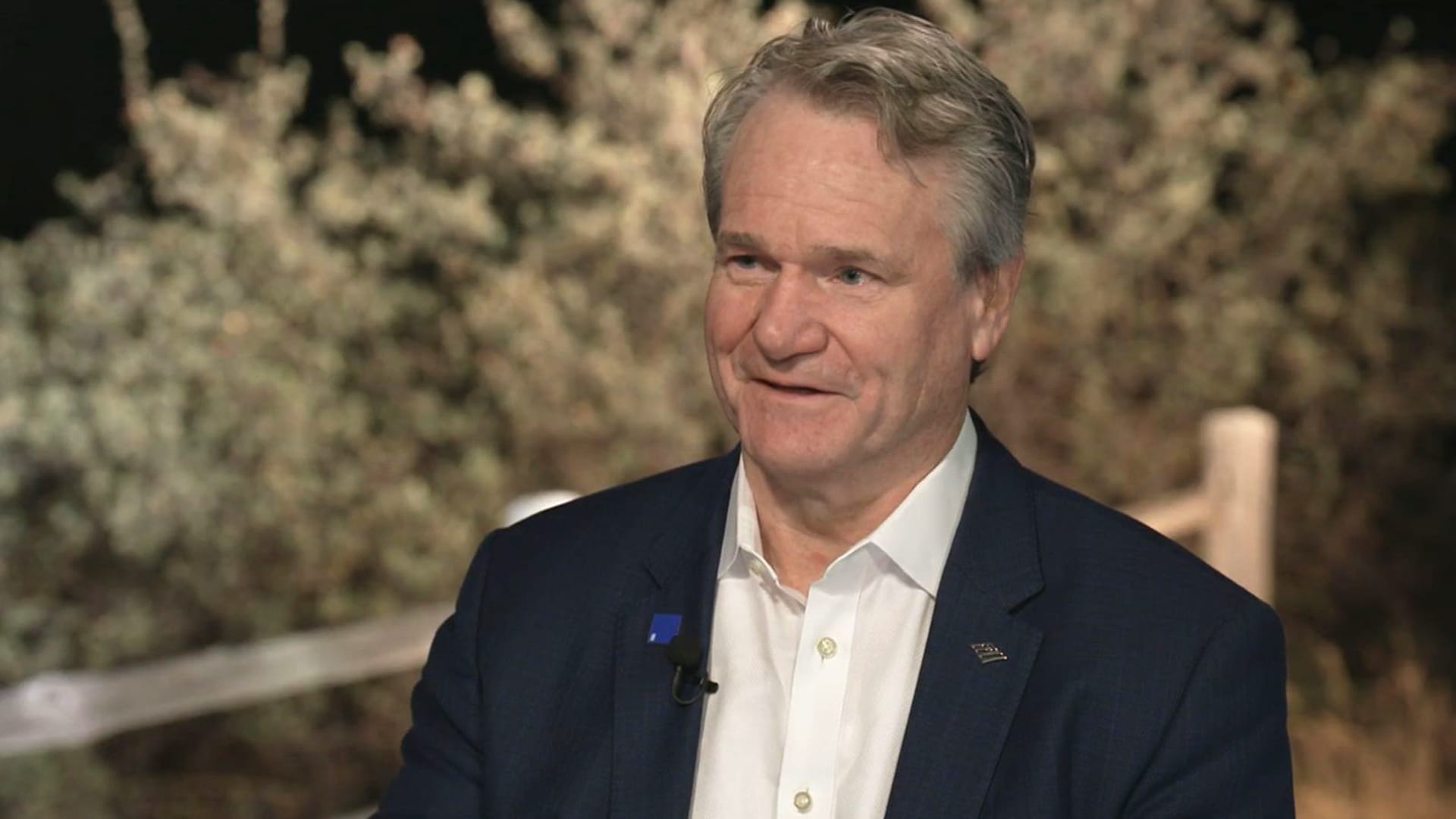

Bank of America is proactively addressing the challenges posed by advanced artificial intelligence (AI) models like Anthropic’s Mythos by hiring external contractors to patch software vulnerabilities. CEO Brian Moynihan shared insights on this initiative during an interview following the bank’s third-quarter earnings call, revealing that the company has mobilized a significant workforce to mitigate risks associated with these emerging technologies. The financial institution’s approach underlines the dual nature of AI, which can drive efficiencies while also exposing critical security gaps that need urgent attention.
| Article Subheadings |
|---|
| 1) Understanding the Immediate Threats Posed by AI |
| 2) The Scale of Bank of America’s Response |
| 3) Financial Implications of Software Remediation |
| 4) The Future of AI in Banking |
| 5) Balancing AI’s Benefits and Risks |
Understanding the Immediate Threats Posed by AI
The emergence of advanced AI systems like Anthropic’s Mythos has presented new and formidable risks to businesses, particularly in the financial sector. These AI models, capable of developing and exploiting software vulnerabilities, have required companies to reevaluate their cybersecurity strategies. The threat is not just theoretical; vulnerabilities that have remained dormant for years can be exposed and exploited at an alarming rate, prompting organizations to act decisively. Brian Moynihan emphasized that this risk is “real,” indicating a pronounced urgency among corporations to bolster their defenses.
In light of these developments, Bank of America recognized the need for swift remediation efforts to ensure the security of its internal systems. By leveraging external contractors alongside its internal workforce, the bank is establishing a comprehensive defense against potential breaches that could lead to significant financial and reputational fallout. This march to modernize and secure software systems reflects a broader trend within the industry, wherein firms are compelled to navigate a rapidly evolving landscape of technological risks.
The Scale of Bank of America’s Response
In a bid to tackle the pressing issues raised by advanced AI, Bank of America has deployed an extensive workforce. According to Brian Moynihan, the bank enlisted around 1,000 external contractors to assist with patching work in the second quarter, augmenting the efforts of approximately 3,000 internal employees already dedicated to the task. This collaborative approach illustrates the magnitude of the threat and the bank’s commitment to safeguarding its technology against potential exploits.
The proactive stance taken by Bank of America underscores the urgent need to enhance software code reliability amidst rising exposure to risk from AI advancements. By adopting a strategy that combines both external manpower and existing staff, the bank is sending a clear message: it takes the security of its digital infrastructure seriously. The rapid gathering of resources reflects a broader industry awareness regarding the necessity of fortifying cybersecurity to combat the challenges posed by malefactors leveraging state-of-the-art AI systems.
Financial Implications of Software Remediation
In conjunction with its cybersecurity efforts, Bank of America has made substantial financial investments. Brian Moynihan disclosed that the bank has incurred costs exceeding a few hundred million dollars, aimed at addressing software vulnerabilities alongside regulatory matters such as anti-money laundering compliance. This substantial expenditure highlights the financial burden associated with maintaining a secure software environment, particularly in light of advanced AI threats.
Despite the immediate financial implications, Moynihan assured investors that this increase in spending would be temporary. Once necessary updates and patches are completed, remediation costs are expected to stabilize and decrease. This perspective provides a measure of reassurance to stakeholders concerned about the ongoing financial demands of maintaining cybersecurity in an increasingly complex technological landscape. The proactive groundwork being laid now could potentially lead to greater budgetary efficiency in the future, as sustained compliance requires fewer resources over time.
The Future of AI in Banking
As the banking industry grapples with the paradoxical role of AI as both a threat and a tool for efficiency, Bank of America is leveraging its 130 internal AI projects to drive operational savings. Brian Moynihan indicated that savings generated from these projects are poised to grow from $300 million this year to an anticipated $700 million by 2027. This ambitious projection reflects a keen understanding of AI’s potential to transform operations. However, it also underscores a critical balancing act between harnessing AI’s benefits and continuously defending against its risks.
The banking landscape is transitioning; institutions are now compelled to adopt AI technologies to stay competitive, while simultaneously fortifying their cybersecurity frameworks. Moynihan’s outlook points to a future where AI will likely play an essential role not only in addressing operational challenges but also in driving innovation across the financial services sector. However, as companies navigate this path, ongoing vigilance against potential vulnerabilities remains crucial.
Balancing AI’s Benefits and Risks
While the investment in cybersecurity and software remediation presents one side of the equation, the other reveals an organization adapting to the lucrative prospects that AI offers. As Bank of America and similar institutions race to integrate artificial intelligence into their operational frameworks, the dual-edged nature of these advancements becomes pronounced. While AI can lead to significant cost-cutting measures and enhance productivity, it simultaneously poses a threat by leveraging inherent software flaws for malicious purposes.
Bain Moynihan poignantly highlighted this balancing act, suggesting that those involved in software development are often also selling services. This intersection complicates the dynamic between AI advancement and cybersecurity, as firms must continuously evaluate their vulnerabilities while exploring how to utilize AI effectively as a tool for enhancing business profitability. The drive to keep ahead of potential threats thus becomes central to any AI strategy being employed in the sector.
| No. | Key Points |
|---|---|
| 1 | Bank of America is employing a substantial number of external contractors to address vulnerabilities due to AI advancements. |
| 2 | CEO Brian Moynihan revealed they have a dedicated workforce of approximately 4,000 personnel focused on software patching. |
| 3 | The bank has incurred significant costs exceeding hundreds of millions related to software remediation and compliance. |
| 4 | AI projects within the bank are projected to save up to $700 million by 2027. |
| 5 | The bank acknowledges the balancing act between embracing AI’s benefits while addressing the threats it poses. |
Summary
In conclusion, Bank of America’s approach to managing the risks associated with advanced AI models highlights the importance of robust cybersecurity measures in today’s digital landscape. The combination of external resources and internal efforts signifies a proactive stance that not only addresses immediate vulnerabilities but also positions the bank for the future. As it navigates through an era defined by AI, Bank of America is setting a precedent for industry participants in balancing innovation against security risks.
Frequently Asked Questions
Question: What is Bank of America’s primary focus following AI advancements?
Bank of America’s primary focus is on patching software vulnerabilities exposed by advanced AI models to safeguard its digital infrastructure.
Question: How many personnel are involved in Bank of America’s cybersecurity efforts?
Approximately 4,000 personnel are dedicated to cybersecurity efforts at Bank of America, including both external contractors and internal employees.
Question: What financial burden has Bank of America faced regarding software remediation?
The bank has incurred costs exceeding a few hundred million dollars in addressing software vulnerabilities and regulatory compliance efforts.
