

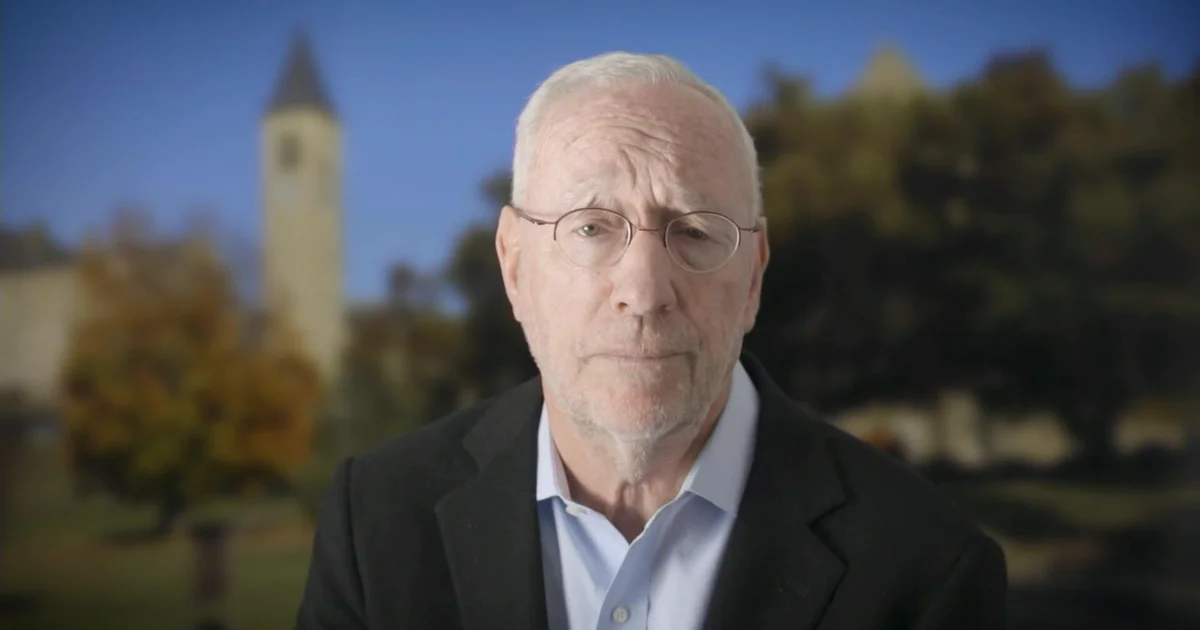

The recent investigation at Cornell University regarding serious allegations of sexual assault has drawn significant scrutiny and criticism, prompting a strong response from university administration. President Michael I. Kotlikoff acknowledged the administration’s shortcomings and expressed a commitment to better support victims and improve safety on campus. Central to the ongoing concerns is the case of a former student, referred to as Jane Doe, who has filed a lawsuit alleging gang rape by multiple individuals associated with a fraternity in 2024. As the investigation unfolds, it raises important questions about institutional response and accountability.
| Article Subheadings |
|---|
| 1) Background of the Allegations |
| 2) Institutional Response and Investigative Actions |
| 3) Criticism and Calls for Transparency |
| 4) The Role of External Authorities |
| 5) Future Measures and Community Engagement |
Background of the Allegations
In October 2024, a Cornell University student, identified only by the pseudonym Jane Doe, alleged that she was drugged and raped by several men at the university’s Chi Phi fraternity chapter. The incident has become a focal point for discussions around campus safety and sexual assault prevention. Following the allegations, the university’s internal investigation resulted in two of the accused facing expulsion and another pair receiving suspensions, while one individual graduated before any disciplinary measures could be enforced. Despite the serious nature of the allegations, the Tompkins County District Attorney’s office determined there was “insufficient evidence” to pursue criminal charges against those implicated in the incident.
Institutional Response and Investigative Actions
Following the allegations, Cornell’s administration publicly committed to addressing the issue. President Michael I. Kotlikoff expressed the need for improved mechanisms to support victims and prevent such incidents from recurring. In a recent video communication, he stated, “We must do everything we can to prevent what happened to Jane Doe and everyone before her and anyone after her from ever happening again.” The university’s Title IX investigation found that two individuals were expelled and two suspended, reflecting an institutional response to hold those found responsible accountable. However, the revelations regarding the inadequacy of evidence presented to the District Attorney’s office raise concerns about the thoroughness of the initial investigative procedures.
Criticism and Calls for Transparency
In recent statements, President Kotlikoff recognized a prevailing sense of frustration among the community stemming from the perceived lack of transparency around how the university handled the allegations. He admitted that the institution had not effectively communicated its actions post-assault, which contributed to a growing distrust among students and the broader community. The university initially reported to the DA that it provided all relevant details concerning the Title IX investigation, including Jane Doe’s sworn statement and a Snapchat screenshot related to the case. However, concerns arose when District Attorney Matthew Van Houten noted he had not received full details from the university regarding the police interview conducted with Jane Doe. In light of this, the administration has vowed to enhance its communication efforts and be more forthcoming about the investigatory processes involved.
The Role of External Authorities
Amidst the unfolding situation, New York Governor Kathy Hochul appointed State Attorney General Letitia James as a special prosecutor to investigate the allegations further. This decision underscores the severity of the case and the high stakes involved, as both state and local authorities seek to ensure accountability and justice for Jane Doe. Both the university’s administration and Governor Hochul expressed their intent to engage deeply with the ongoing criminal probe, indicating a collective recognition of the need for external scrutiny in the handling of such sensitive matters. The reopening of the investigation by the District Attorney could potentially yield new evidence or insights, influencing future actions regarding those involved.
Future Measures and Community Engagement
In response to the criticisms and the broader implications of the allegations, Cornell University plans to initiate several community engagement initiatives. President Kotlikoff stated that the administration would create opportunities for dialogue between students, parents, and university leadership to foster a more transparent environment. Furthermore, the university has established the Presidential Task Force on Campus Sexual Assault to recommend better practices and procedures aimed at preventing future incidents. The task force’s creation is part of the university’s broader commitment to reforming its approaches to handling sexual assault allegations and ensuring that victims feel heard and supported.
| No. | Key Points |
|---|---|
| 1 | Allegations of gang rape by a former student have sparked controversy and scrutiny at Cornell University. |
| 2 | Cornell’s internal investigation led to expulsion and suspensions of some individuals, raising questions about evidence sufficiency. |
| 3 | District Attorney Matthew Van Houten lacked full documentation related to the allegations, prompting calls for greater transparency. |
| 4 | Governor Kathy Hochul appointed Attorney General Letitia James as special prosecutor to oversee the case. |
| 5 | Cornell plans community engagement initiatives to foster dialogue and improve transparency regarding sexual assault policies. |
Summary
The serious allegations surrounding Cornell University and the systemic failures highlighted by the ongoing investigation illuminate critical issues surrounding campus safety and the handling of sexual assault allegations. Both the university and external authorities are under increasing pressure to ensure accountability and reform. As Michael I. Kotlikoff has emphasized, this situation represents a pivotal moment in Cornell’s history—one that compels action not just for the sake of justice for Jane Doe, but for the broader community striving for a safer and more responsive educational environment.
Frequently Asked Questions
Question: What action did the Cornell administration take regarding the accused individuals?
Cornell’s Title IX investigation resulted in two of the accused being expelled and two others receiving suspensions of at least two semesters.
Question: What has prompted legislators to intervene in this case?
The lack of sufficient evidence presented to the District Attorney’s office has led to frustrations, and Governor Kathy Hochul appointed State Attorney General Letitia James to oversee the investigation as a special prosecutor.
Question: How has the university addressed the concerns about transparency?
President Michael I. Kotlikoff acknowledged the need for better communication and transparency and announced plans for community engagement initiatives to foster dialogue between university leadership and the community.
