

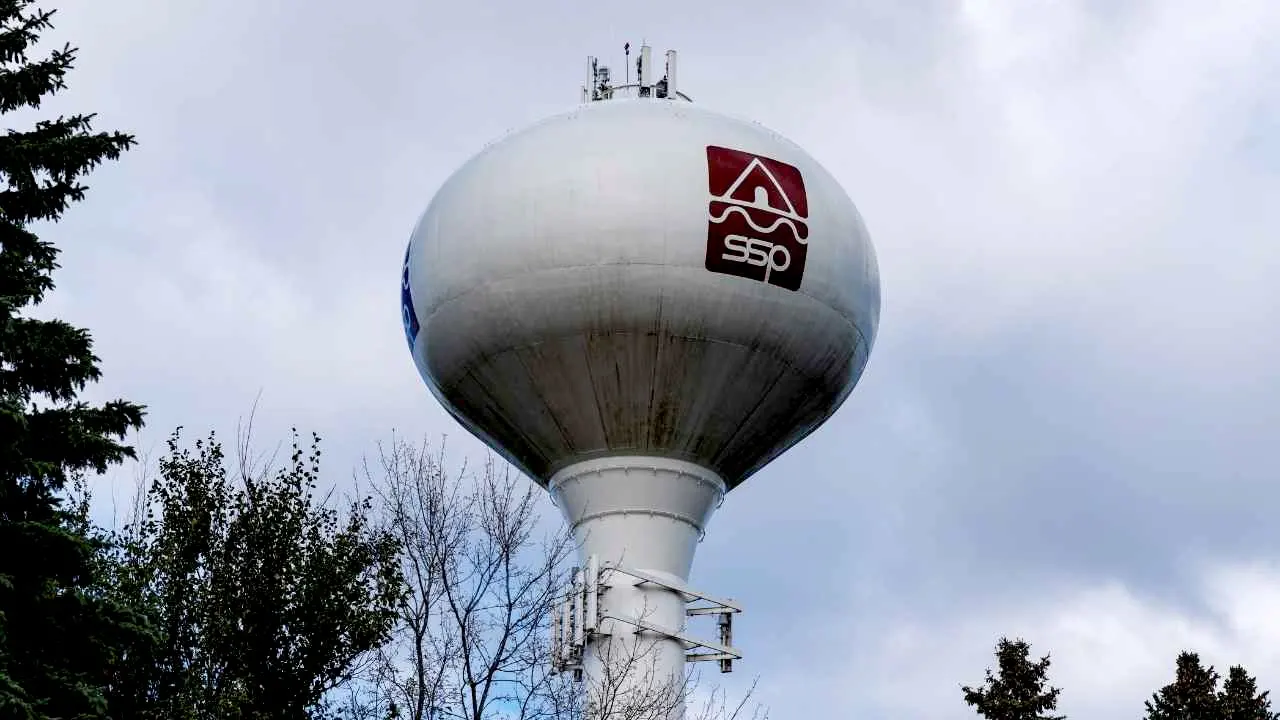

Recent reports have highlighted a growing concern over the cybersecurity of U.S. water infrastructure, following a series of cyberattacks on municipal systems in Colorado and Minnesota. Federal authorities have indicated that state-sponsored actors may be behind these unauthorized intrusions, which have affected various operational controls within water utilities. As the threat landscape evolves, officials urge localities to enhance their cybersecurity measures to safeguard critical water supply systems.
| Article Subheadings |
|---|
| 1) Overview of Recent Cyber Threats |
| 2) Details of the Colorado Intrusions |
| 3) Nationwide Impact and Response |
| 4) Federal Actions Against Cyber Vulnerabilities |
| 5) Recommendations for Improved Security |
Overview of Recent Cyber Threats
In the past month, two small water utility systems in Colorado were compromised by cyber intrusions that allowed hackers to manipulate critical operations. This alarming trend follows a larger series of cyberattacks affecting water infrastructure across the United States, heightening concerns about the potential disruption of municipal services. Cybersecurity experts warn that such intrusions can expose vulnerabilities within water systems, potentially impacting public health and safety.
The surge in cyber threats against municipal water utilities has drawn attention from local and federal officials alike. It reflects an ongoing menace posed by malicious actors who exploit weaknesses within operational technology. The Environmental Protection Agency (EPA) reported a significant increase in incidents this year, with high-profile attacks affecting more than 100 water systems across twelve states. Concerns are escalating over the potential dangers that could arise from these breaches, as they challenge the integrity of water quality controls and jeopardize community safety.
Details of the Colorado Intrusions
On Thursday, Colorado officials detailed the cyberattacks on two small utility systems, confirming that hackers had gained access to computerized controls. During these incidents, operators reported altered equipment settings, disabled alarms, and modified pumping cycles, which brought about temporary control disruptions. Thankfully, there was no impact on drinking water quality. State officials reassured the public that the risks were swiftly managed by utility providers, who promptly alerted state authorities about the breaches.
The Colorado Governor’s office confirmed that the systems affected serve a small population of around 400 residents. While the intrusions were classified as brief and successfully contained, the incidents demonstrate the vulnerability of critical infrastructures. This doesn’t just reflect poorly on operational efficacy but raises serious questions about the potential for far more significant impacts if such breaches remain unaddressed.
Nationwide Impact and Response
Colorado’s cyber intrusions are part of a broader trend of increasing assaults on water systems that have so far encompassed seven states, including notable incidents in Minnesota. Authorities revealed that attackers utilized internet-facing programmable logic controllers (PLCs) to access and tamper with device configurations which sometimes resulted in compromised operations, including loss of water pressure and flooding. Federal agencies have indicated that malicious cyber actors, including those backed by state sponsors like Iran, are keenly focused on exploiting the systems that control vital infrastructure.
Despite ongoing investigations into the actors responsible for these intrusions, including possible connections to Iranian hackers, the broader implications for the security of U.S. water infrastructure remain. Reports suggest that more than 30 community water systems in Minnesota also fell victim to cyber activity, suggesting a concerning trend across multiple states. As the situation evolves, local governments must grapple with the urgent need for improved security and vigilance.
Federal Actions Against Cyber Vulnerabilities
In light of the recent cyberattacks, federal agencies like the FBI and the EPA have stepped up their efforts to bolster protections for water systems. The FBI has been monitoring the threats posed by cybercriminal syndicates and state-sponsored hackers, particularly as they target operational technology at utilities. The EPA has been proactive in identifying and mitigating vulnerabilities across more than 650 water systems since the start of fiscal year 2025, successfully addressing over 700 security issues.
The federal government is also providing direct support and guidance to localities to help them understand their vulnerabilities better. This includes technical assistance programs that offer resources to strengthen cybersecurity and enhance operational resilience. Federal agencies are urging utilities to adopt stringent measures such as removing PLCs from direct internet exposure and enhancing access controls. This cooperative effort aims to foster a more robust cybersecurity framework to protect critical infrastructure.
Recommendations for Improved Security
With the risk landscape constantly shifting, experts suggest various improvements to safeguard water utilities against cyber threats. One of the primary recommendations is the implementation of enhanced access control measures to manage who can enter sensitive systems. Authorities also recommend continuous cybersecurity training for utility staff to ensure they are aware of potential threats and respond adequately in case of breaches.
Moreover, experts advise incorporating intrusion detection systems and regular updates of security software to reduce vulnerabilities. Local governments are encouraged to conduct comprehensive risk assessments to identify existing weaknesses and develop strategic plans to address them. Collaborations among utilities, local governments, and federal agencies can strengthen defensive postures and lessen the impact of potential cyber incidents on public health and safety.
| No. | Key Points |
|---|---|
| 1 | Cyberattacks on U.S. water infrastructure have surged, impacting many municipal systems. |
| 2 | Recent breaches in Colorado involved unauthorized alterations to critical equipment settings. |
| 3 | Federal authorities are investigating potential links to state-sponsored actors, including Iran. |
| 4 | Proactive measures from the EPA and the FBI aim to bolster cybersecurity across vulnerable utilities. |
| 5 | Experts recommend extensive risk assessments and measures to secure access and training. |
Summary
The recent wave of cyberattacks against municipal water systems underscores a significant vulnerability in U.S. infrastructure. With regulatory bodies rallying to enhance security protocols, it is imperative for local entities to remain vigilant. The threats posed by malicious cyber actors compel a reevaluation of how water utilities safeguard against potential disruptions that could affect public health and safety. As these incidents serve as a wake-up call, the response will shape the effectiveness of safeguards in place—rendering further actions vital to fortifying vital water systems across the nation.
Frequently Asked Questions
Question: What are the main concerns regarding cyberattacks on water systems?
Cyberattacks on water systems raise concerns about the potential for compromising public health and safety, as malicious actors may disrupt essential services and operations.
Question: How are federal agencies responding to these threats?
Federal agencies like the EPA and FBI are taking proactive steps to identify vulnerabilities, enhance cybersecurity protocols, and provide technical assistance to local water utilities.
Question: What measures can local utilities implement to protect against cyber threats?
Local utilities can implement stronger access controls, conduct regular cybersecurity training for staff, and utilize intrusion detection systems to mitigate potential risks.
