

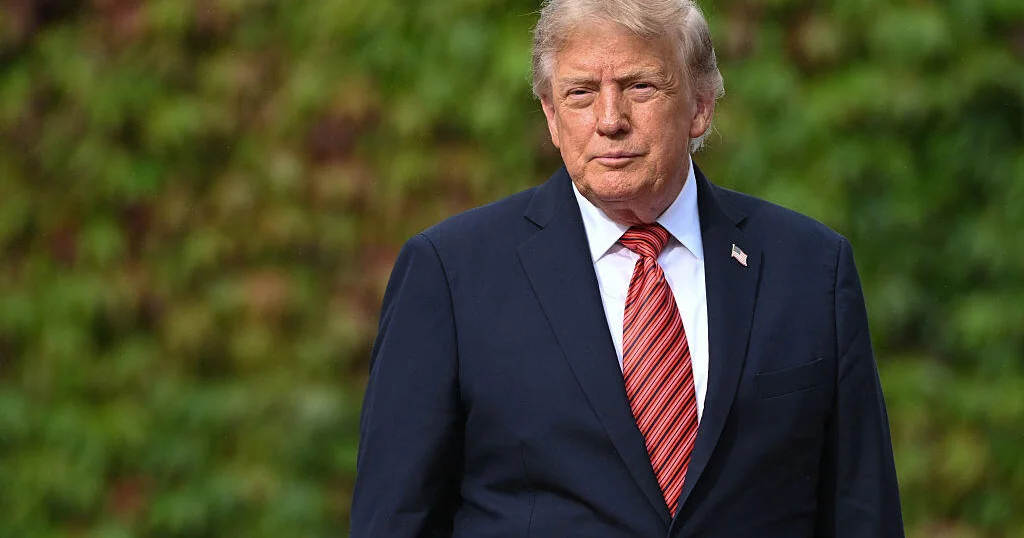

In a significant move reflecting congressional discontent with ongoing military operations in Iran, the House of Representatives voted to limit President Trump’s authority to engage further in hostilities against the country. With a vote tally of 220 to 204, this decision marks the third such attempt to curtail the President’s war powers since the conflict’s inception six months ago. Notably, seven Republicans joined Democrats in this endeavor, signaling a bipartisan effort to address concerns regarding the protracted military engagement and its financial implications.
| Article Subheadings |
|---|
| 1) Vote Outcome and Bipartisan Support |
| 2) The Context of Military Engagement |
| 3) Financial Implications of the Conflict |
| 4) Political Reactions and Future Projections |
| 5) Summary of Congressional Actions |
Vote Outcome and Bipartisan Support
On Tuesday, the House voted 220 to 204 to restrict President Trump’s military actions concerning Iran, marking a significant move by lawmakers who are increasingly apprehensive about the ongoing war. This latest resolution saw heightened bipartisan support, with seven Republican representatives breaking ranks to vote in favor, indicating a growing unease within the party regarding the current military strategy. The resolution was spearheaded by Democratic Representative Seth Moulton of Massachusetts and aims to mandate the withdrawal of U.S. Armed Forces from any hostilities involving Iran. The participation of new Republican supporters, including Representatives Nancy Mace, Mariannette Miller-Meeks, and Zach Nunn, reflects a potential shift in party dynamics as officials grapple with the implications of protracted military involvement.
The Context of Military Engagement
The current military engagement in Iran has spanned six months and escalated following Operation Epic Fury, a series of airstrikes initiated by the Trump administration in early March. The Pentagon has since declared that these operations formally concluded in May. However, this declaration has not halted ongoing hostilities, as U.S. and Iranian forces have continued to exchange aggressive actions. The conflict began when President Trump sought to eliminate what he termed “growing threats” from Iran, with earlier predictions suggesting the war would be short-lived, lasting only four to five weeks. The lack of an exit strategy and continued military operations has raised alarms among members of Congress who argue that the situation in Iran could spiral further without clear objectives.
Financial Implications of the Conflict
The financial burden of the conflict has come under scrutiny, particularly as the Congressional Budget Office recently estimated that the war could cost the U.S. upwards of $2 billion to $3 billion monthly for the foreseeable future. This steep financial toll has prompted calls for clearer accountability regarding military expenditures. Between late February and early August, it is estimated that the conflict has already cost approximately $38 billion. With such staggering figures, lawmakers are increasingly concerned about the sustainability of continued military spending, especially as further funding measures totaling around $73 billion are being considered.
Political Reactions and Future Projections
Amidst these developments, President Trump has defended his military strategy in Iran, suggesting that it weakens Iran’s military capabilities. He expressed a belief that the conflict will conclude shortly after the upcoming elections. However, skepticism remains among both Republicans and Democrats in Congress regarding the administration’s handling of the situation. The stalled war powers resolution in the Senate, originally passed by the House in July, indicates possible challenges ahead in further limiting the President’s military authority. As the Senate approaches its last two weeks of session before the November elections, the fate of this resolution remains uncertain, highlighting a contentious period in U.S. foreign policy.
Summary of Congressional Actions
In summary, the House’s recent vote to restrict President Trump’s military authority over operations in Iran reflects a growing concern among lawmakers regarding the implications of this ongoing conflict. With a notable increase in bipartisan support, particularly from within the Republican Party, the dialogue around military engagement and its financial impact is gaining traction. As these debates continue, the legislative outcomes will play a critical role in shaping U.S. foreign policy and military strategy moving forward.
| No. | Key Points |
|---|---|
| 1 | The House voted 220 to 204 to limit President Trump’s military power regarding Iran. |
| 2 | Bipartisan support increased, with seven Republicans voting in favor of the resolution. |
| 3 | The war has cost an estimated $38 billion since its onset, with monthly expenses projected to be around $2 to $3 billion. |
| 4 | The resolution aims to mandate the removal of U.S. forces from Iran, reflecting congressional discontent. |
| 5 | The future of the resolution in the Senate is uncertain as the November elections approach. |
Summary
The recent legislative actions taken by the House underscore a growing unease among lawmakers regarding the financial and strategic implications of the ongoing military campaign in Iran. With increased bipartisan support, there are clear calls for a reevaluation of the U.S. military’s role and strategies abroad. As Congress navigates this complex issue, the outcomes of these discussions will undoubtedly shape future foreign policy directions and the balance of military authority within the U.S. government.
Frequently Asked Questions
Question: What initiated the military engagement in Iran?
The military engagement in Iran was initiated by President Trump in response to perceived threats from the country, following a series of escalating tensions between the U.S. and Iran.
Question: What are the financial implications of the military conflict?
The conflict has been estimated to cost the U.S. around $2 to $3 billion per month, with a total cost of approximately $38 billion incurred since the war began in February.
Question: What does the recent House resolution aim to accomplish?
The House resolution aims to restrict President Trump’s authority to engage in military actions against Iran and mandate the withdrawal of U.S. Armed Forces from hostilities involving the country.
