

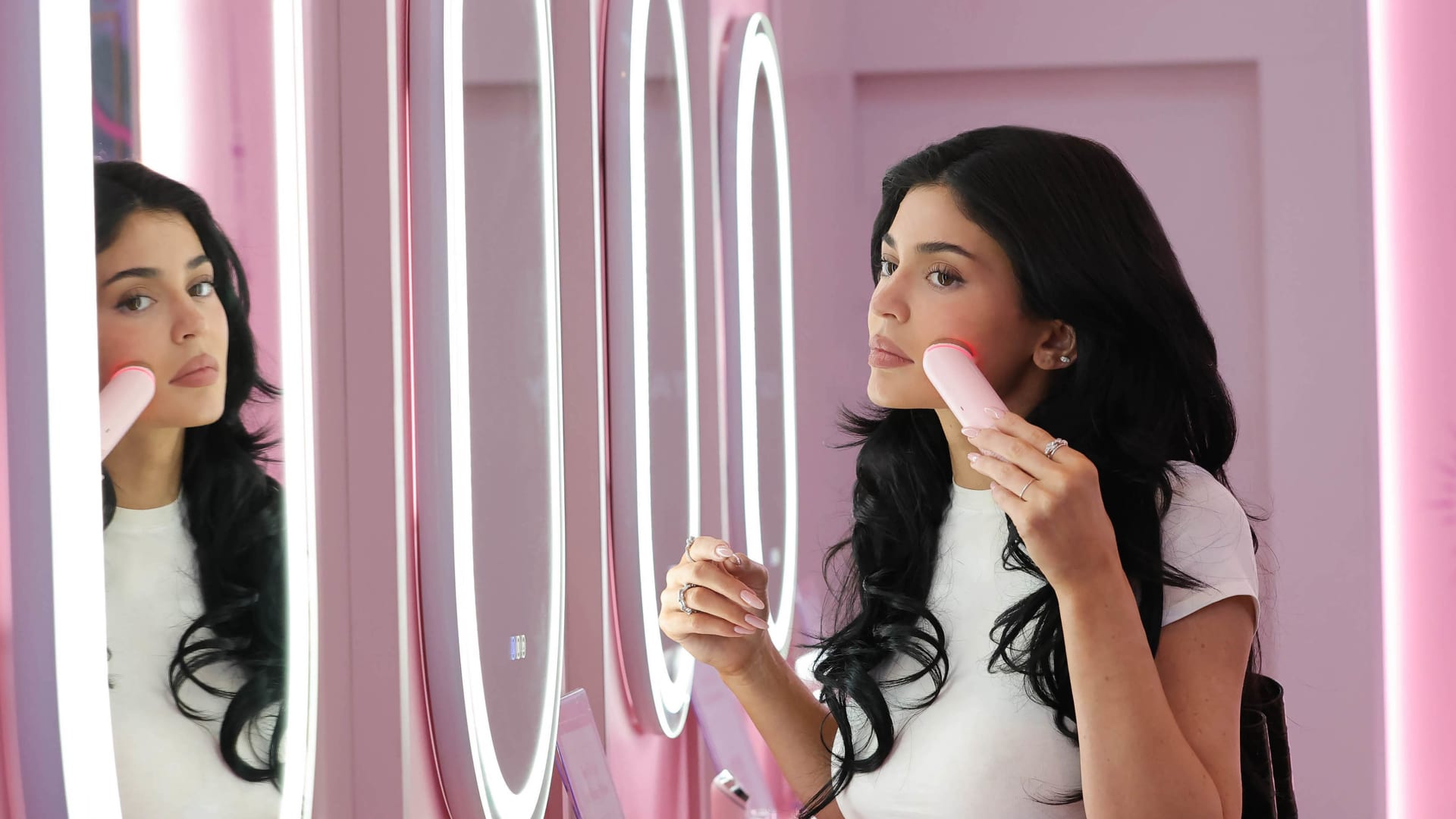

In a notable shift within the global cosmetics landscape, Korean beauty products, often referred to as K-beauty, are gaining significant traction within the U.S. market. Following the launch of what is claimed to be the first K-beauty exchange-traded fund (ETF), KBTY, the industry is seeing a surge in investments and popularity among consumers. With impressive export growth figures and a rise in brand recognition among U.S. shoppers, the potential for sustained growth in this sector raises questions about long-term viability against various challenges, including changing tariffs and consumer trends. The following article delves into the factors contributing to this booming market and analyzes the implications for future growth.
| Article Subheadings |
|---|
| 1) The Rise of K-Beauty and Its Impact on U.S. Consumers |
| 2) The Significance of South Korean Exports |
| 3) Investing in K-Beauty: The Launch of KBTY ETF |
| 4) Challenges Facing the K-Beauty Sector |
| 5) The Future of K-Beauty in the Global Market |
The Rise of K-Beauty and Its Impact on U.S. Consumers
K-beauty has taken substantial strides in capturing the attention of U.S. consumers, with products ranging from snail mucin serums to innovative LED skincare devices making their way onto retail shelves. The widespread popularity of these products is largely attributed to their unique formulations and strong social media presence. The marketing strategies employed, particularly on platforms like TikTok and Instagram, demonstrate how effectively the K-beauty brands engage with a younger demographic eager for new beauty solutions.
By 2025, reports indicated that K-beauty had officially surpassed France as the leading exporter of cosmetics to the U.S., highlighting a significant shift in consumer preference. Shoppers are increasingly spending on K-beauty labels, contributing to a $2.8 billion industry within the U.S.
The demographic shifts also reflect broader trends towards wellness and self-care, where consumers prioritize products that promise enhanced efficacy and innovative solutions. This change in consumer behavior presents opportunities for brands, especially as they cater to the evolving needs of buyers concerned with both beauty and health.
The Significance of South Korean Exports
The phenomenon of K-beauty is not merely a passing trend; it underpins a substantial economic growth narrative for South Korea. From 2020 to 2024, exports of K-beauty products surged an impressive 197%, according to data released by Nielsen IQ. The impact of these figures extends beyond mere statistics; they signify a cultural exchange where South Korean beauty philosophies and techniques are being embraced internationally.
This globalization of beauty couldn’t have happened without the Korean government’s support for beauty exports and initiatives that encouraged innovation across the country. Brands like Medicube, Laneige, and Dr. Jart have not only gained traction in local markets but are now staples in beauty aisles across the U.S. Enhancing this appeal are the effective marketing and storytelling that resonate with U.S. audiences, demonstrating the unique qualities of K-beauty products that differentiate them from their western counterparts.
Investing in K-Beauty: The Launch of KBTY ETF
In November, Guinness Atkinson launched KBTY, the first ETF dedicated to K-beauty, aiming to provide investors with a curated selection of companies that embody the Korean beauty sector. This fund tracks 25 key players in the industry, including manufacturers, distributors, and retailers, reflecting the comprehensive nature of K-beauty’s supply chain.
The potential for growth within the KBTY fund is underscored by its constituents. Among them, APR, the leading brand owner of Medicube, has seen its market capitalization soar to approximately $8.4 billion. This growth trajectory is reflective of the wider trends towards K-beauty, affirming its place in investment portfolios focused on high-growth sectors. By strategically aligning with these brands, investors are positioning themselves to benefit from sustained demand in the cosmetics market.
While the beauty industry is generally characterized by volatility, the structured approach of KBTY provides a framework for potentially reducing risk through diversification across multiple key brands. Analysts are increasingly optimistic about the future of this ETF as K-beauty continues to expand its footprint in the U.S. market.
Challenges Facing the K-Beauty Sector
Despite the promising outlook, K-beauty faces several challenges that could hinder its growth trajectory. As indicated by analysts, one major concern is the volatility surrounding consumer preferences influenced by social media trends. While these trends can drive quick sales spikes, translating that enthusiasm into long-term consumer loyalty remains elusive. A case in point is the experience of Pop Mart, a company that saw a dramatic drop in revenues after an initial surge — underscoring the risk involved in consumer trends that are difficult to predict.
Compounding the challenge is the potential for tariff increases on South Korean imports, a consequence of shifting trade policies. Reports have suggested that duties on these products could rise to as high as 15%. Such tariffs significantly threaten the affordability of K-beauty products, a key selling point that has attracted U.S. consumers thus far.
The K-beauty appeal lies in its balance of innovation and affordability. If brands are unable to maintain competitive pricing in the face of new tariffs, they risk alienating the very consumers who propelled their growth in the first place.
The Future of K-Beauty in the Global Market
The trajectory of K-beauty in the global market appears to be on a forward path, bolstered by cultural export and consumer interest. The enduring popularity of K-beauty suggests an evolving landscape where traditional beauty norms are continuously challenged.
As brands innovate and adapt, it is crucial for them to remain agile in response to changing market dynamics. Some strategies might include broadening product lines or exploring collaborations with Western companies, as seen with Cosmax and L’Oréal’s partnership to leverage research and development capabilities.
Looking ahead, it will be vital for industry players to strike a balance between maintaining their unique brand identities while embracing operational strategies that promote flexibility and address potential cost challenges. The continual rise of social media will also play a judicious role in shaping perceptions and driving market interest, helping to engage both new and returning consumers.
| No. | Key Points |
|---|---|
| 1 | K-beauty has emerged as a dominant force in U.S. markets, demonstrating significant sales growth and consumer interest. |
| 2 | The launch of the KBTY ETF signifies a structured investment opportunity within the rapidly growing K-beauty sector. |
| 3 | South Korean cosmetics exports to the U.S. have skyrocketed, outgrowing traditional markets like France. |
| 4 | Challenges such as tariff increases and market volatility pose risks to sustained K-beauty growth. |
| 5 | The future of K-beauty depends on brands’ ability to balance innovation with price competitiveness amidst changing consumer trends. |
Summary
The growing prominence of K-beauty in the U.S. represents not only a trend but a profound shift in consumer preferences and beauty standards. With an evolving landscape shaped by cultural exchanges, investment opportunities like the KBTY ETF are bringing more attention and resources to this burgeoning sector. However, potential challenges from tariffs and fluctuating consumer behavior must not be overlooked. Navigating these dynamics will be crucial for K-beauty brands aiming to secure their foothold in the global market for years to come.
Frequently Asked Questions
Question: What is K-beauty?
K-beauty refers to skincare and cosmetics products developed in South Korea, known for their innovative ingredients and effective formulations.
Question: How has K-beauty impacted the U.S. cosmetics market?
K-beauty has significantly increased consumer spending in the U.S., with a market value of $2.8 billion and notable year-on-year growth.
Question: What factors could affect the long-term growth of K-beauty?
Factors such as tariff changes, shifts in consumer preferences influenced by social media, and competition could affect K-beauty’s long-term viability in the market.
