

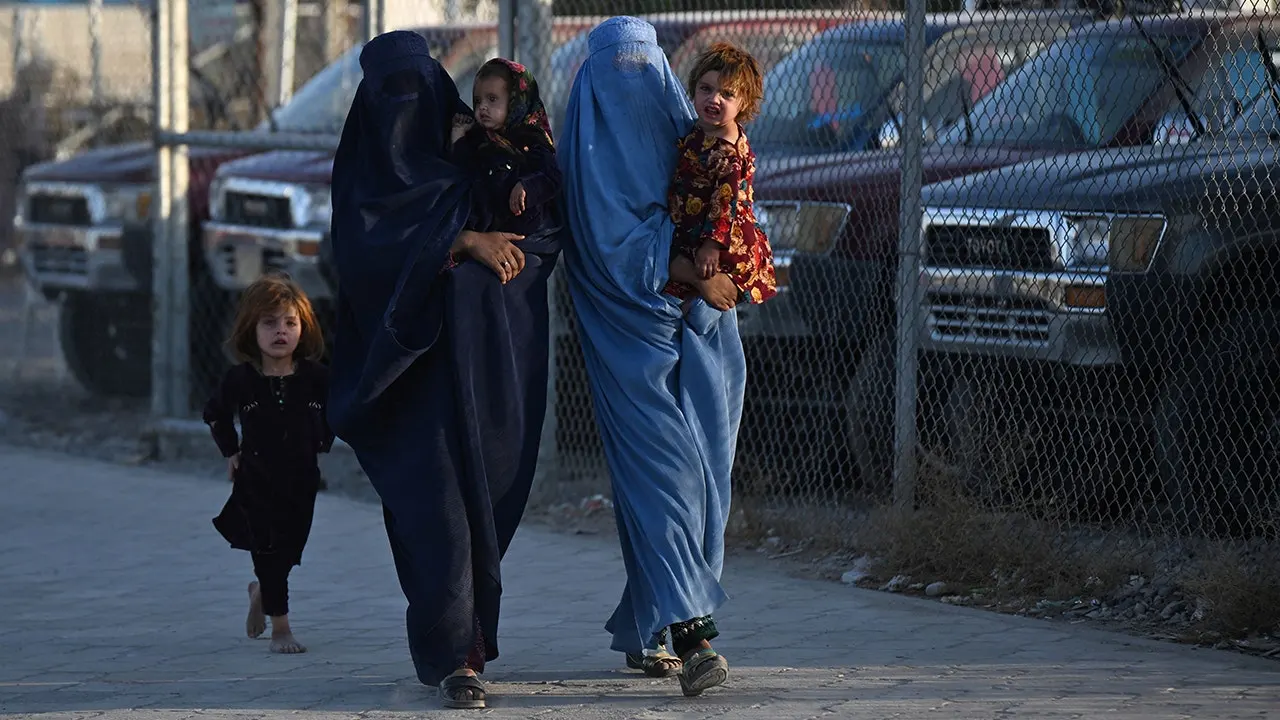

In a disturbing escalation of gender discrimination, the Taliban has reportedly imposed a ban on the use of women’s names in official documents in Balkh province, Afghanistan. This unsettling measure comes alongside accounts of women being referred to by degrading terms, including names of animals. Healthcare professionals are now instructed to address female patients using terms like “Bibi,” translating to “grandmother” or “old woman,” fostering widespread concern that this discriminatory policy may extend throughout the country.
| Article Subheadings |
|---|
| 1) The Ban on Women’s Names in Official Documentation |
| 2) Dehumanizing Language and Its Implications |
| 3) Activist Response and Regional Trends |
| 4) Ongoing Challenges for Afghan Women |
| 5) The Path Forward: Resistance and Advocacy |
The Ban on Women’s Names in Official Documentation
The Taliban’s recent mandate in Balkh province prohibits the use of women’s names on official documents, including medical records and prescriptions. Reports from various sources confirm that healthcare providers have been instructed to utilize the diminutive title “Bibi,” effectively stripping women of their identities within the healthcare system. Such actions highlight a systematic approach to dehumanizing women, as women are increasingly objectified and referred to by terms relating to their roles or even as animals. This measure reflects a broader strategy by the Taliban to suppress women’s rights and autonomy, likely echoing across other provinces as the group consolidates its power.
Dehumanizing Language and Its Implications
The ramifications of this language shift extend beyond mere nomenclature; they compromise the integrity of essential healthcare services. As noted by Afghan women’s rights activist Lalah Osmany, who is now based in Germany, some reports suggest that women are referred to by even more degrading terms, such as “goat” or “cow.” This kind of vernacular not only undermines women’s humanity but also complicates medical care processes. For instance, when names are homogenized across medical records, it increases the potential for errors that could jeopardize a woman’s health. The Taliban’s focus on such language reveals a grave intent: to further marginalize half of the population.
Activist Response and Regional Trends
Activists are voicing their concerns regarding the implications of this policy. According to Zubaida Akbar, director of the Afghanistan program at the women’s rights organization Femena, the fear is that this local restriction may serve as a precursor for broader national policies that diminish women’s rights. Akbar’s assertion is grounded in the Taliban’s historical pattern of expanding localized decrees into broader laws. Afghan activists are also taking steps to challenge these unjust restrictions, with some women opting to resist by continuing to use their names in private settings, engaging in underground businesses, and participating in secret education initiatives. As this situation unfolds, the efforts to combat systemic oppression will likely escalate in intensity.
Ongoing Challenges for Afghan Women
The recent developments surrounding the restriction on women’s names signify yet another chapter in the decline of women’s rights in Afghanistan since the Taliban regained control in August 2021. Many women have been barred from education past the age of 12, and they face significant barriers to employment and other aspects of public life. In addition, strict regulations govern how women can interact in society, illustrating an overarching framework of oppression that affects multiple generations. Notably, the Taliban has issued over 144 decrees aimed at constraining Afghan women’s rights, creating a hostile environment for any women seeking to assert their independence or engage in public life.
The Path Forward: Resistance and Advocacy
While the situation remains dire, initiatives aimed at empowering women are taking root, albeit in clandestine forms. Many women are launching underground schooling and educational programs to circumvent the educational restrictions imposed by the Taliban. For instance, some female teachers are risking their safety to provide education to young girls in secret locations. Activists, like Lalah Osmany, have highlighted the importance of recognizing their real identities, stating, “Calling a woman by her real name in Afghanistan is an act of resistance.” Such defiance illustrates the resilience and determination of Afghan women to reclaim their identities and rights, even when faced with systematic efforts to erase them.
| No. | Key Points |
|---|---|
| 1 | The Taliban has banned the use of women’s names in official documentation in Balkh province, Afghanistan. |
| 2 | Healthcare providers are now instructed to refer to women as “Bibi,” degrading their personal identities. |
| 3 | Activists are concerned this ban may expand to a nationwide policy affecting all Afghan women. |
| 4 | Despite severe restrictions, many Afghan women are actively resisting through underground education and businesses. |
| 5 | The changing dynamics reflect a broader trend of the Taliban’s intensified oppression of women’s rights since resuming power in 2021. |
Summary
The Taliban’s recent ban on using women’s names in official documents marks a significant escalation of gender-based discrimination in Afghanistan, perpetuating a cycle of dehumanization and oppression. With reports of degrading language used to address women, concerns mount over the implications for their healthcare and overall rights. Activists are voicing resistance to these measures, highlighting the ongoing struggle for women’s rights in the country. As Afghanistan faces a dire human rights crisis, the resilience of its women remains a critical aspect in the fight for justice and equality.
Frequently Asked Questions
Question: What is the impact of the name ban on Afghan women?
The ban on women’s names in official documents undermines their identities and could lead to increased medical errors, as healthcare providers may confuse female patients due to lack of distinct identification.
Question: How are Afghan women resisting Taliban restrictions?
Many Afghan women are engaging in underground education and secret businesses to combat the Taliban’s oppressive measures, seeking to preserve their rights and identities despite the risks involved.
Question: What historical context led to these restrictions on women’s rights?
Since the Taliban regained power in August 2021, numerous decrees have been issued that restrict women’s education, employment, and personal freedoms, reflecting a systematic approach to oppressing women’s rights in Afghanistan.
