

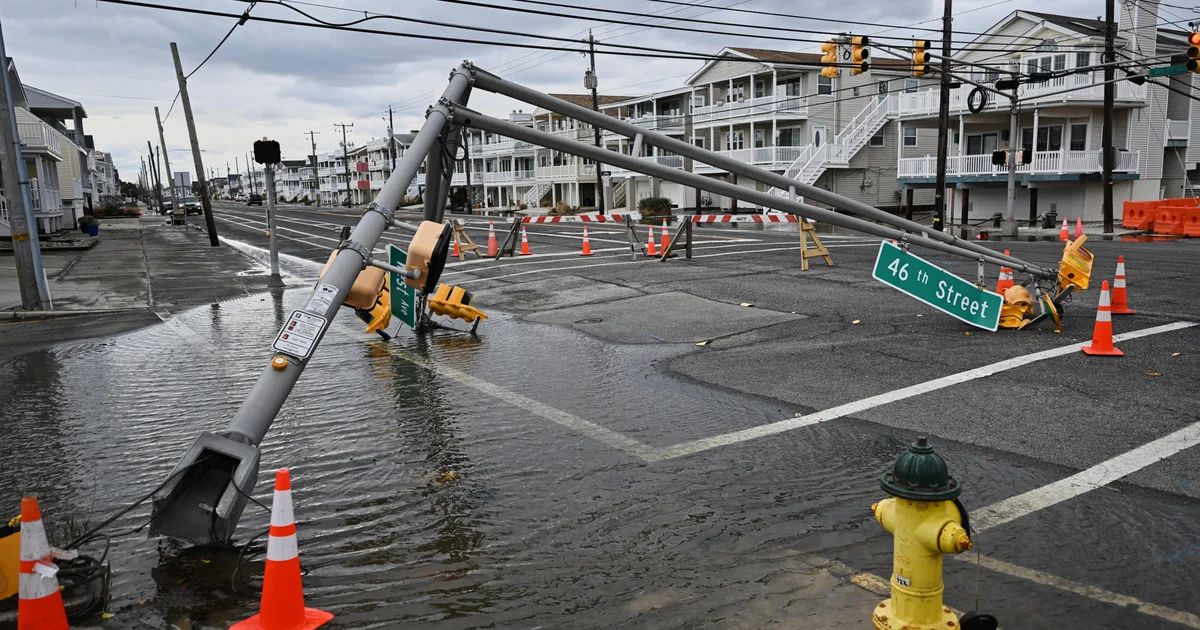

Recent heavy rainfall has left communities across the East Coast grappling with the aftermath of severe storms that began to ease on Friday. Power restoration efforts are underway for hundreds of thousands of affected customers, while many residents are still on alert for high-tide flooding. Travel disruptions caused by the storms have also raised concerns, particularly with major events such as the Macy’s Thanksgiving Day Parade facing unprecedented challenges. As conditions improve, further weather systems may pose ongoing threats to the region.
| Article Subheadings |
|---|
| 1) Overview of the Storm’s Impact |
| 2) Specific Damage Reports and Rescues |
| 3) Weather Forecast for Affected Areas |
| 4) Snow and Ice Conditions in the Midwest and South |
| 5) Coastal Flooding and Emergency Responses in California |
Overview of the Storm’s Impact
A significant weather system has swept across the East Coast, causing heavy rain and high winds that began earlier this week. As of Friday evening, reports indicated that the rain had finally begun to taper off, but the region is still dealing with the lingering effects, including flooded roadways and widespread power outages. According to data, power outages peaked at over 900,000 customers but had decreased to just under 300,000 by late Friday. The National Weather Service is keeping close watch on the situation, warning that while conditions are improving, the system’s impact will take time to fully mitigate.
Travel disruptions have been paramount, with thousands of flights delayed and cancelled as passengers faced challenges during the busy holiday travel season. This disruption not only affected thousands of travelers attempting to return home after the Thanksgiving holiday but also posed significant logistical challenges for airports and airlines. Now, as restoration efforts continue, officials are prioritizing restoring power and helping affected communities return to normalcy.
Specific Damage Reports and Rescues
Throughout the East Coast, there have been numerous reports detailing the scale of the damage inflicted by the storms. Particularly hard-hit areas include Hampton, Virginia, where the city saw a renowned local tree known as the “Grieving Tree” succumb to the strong winds and rain. Homeowners have reported severe property damage, including siding ripped off homes and fallen tree branches littering streets. One resident, Chris Rizzo, described the challenges he faced: “A lot of standing water, tree branches, siding ripped off of houses and buildings.”
In addition to property damages, emergency services have reported multiple water rescues, particularly in Virginia, where crews saved 39 individuals and two pets from distress. The storm also wreaked havoc in Baltimore, which experienced record rainfall of over 3 inches in a single day, resulting in dangerous flood conditions. Along with flooding, structural damage was reported with parts of a fishing pier collapsing in Virginia Beach, indicating the significant impact of the extreme weather.
Weather Forecast for Affected Areas
As officials begin to assess the damage, meteorologists are predicting additional rain and strong winds could return to the East Coast as early as Sunday. With projections of up to two inches of rainfall and wind gusts reaching 65 mph, residents are being advised to remain vigilant. Various coastal flood warnings are still in effect, and storm surges could heighten flooding risks in susceptible areas. The National Weather Service is monitoring the situation closely and will provide updates as conditions evolve.
Meteorologist Nikki Nolan outlined that the upcoming system could again lead to significant disruptions to travel and normal daily activities. “We’ve seen how quickly conditions can change with these storms, and with more rain on the way, it’s critical that residents prepare for potential hazards,” she stated.
Snow and Ice Conditions in the Midwest and South
While the East Coast deals with heavy rain, parts of the Midwest and South are navigating their own weather-related challenges. A winter storm warning has been issued in Tennessee, as rain transitioned into snow, creating hazardous travel conditions. The Midwest previously endured heavy snowfall during Thanksgiving, with some regions reporting accumulations of 15 inches. As this latest storm system moves southeast, forecasts indicate that snow could accumulate in areas stretching from Montana to Colorado.
With changing weather patterns, areas in the South, including parts of New Orleans and Nashville, may also see rain as the system spreads further into the Gulf Coast. As a precaution, emergency teams are on standby, prepared to manage any incidents similar to those seen over the past weeks.
Coastal Flooding and Emergency Responses in California
On the West Coast, California is grappling with its own set of weather-related issues. Coastal flooding has been exacerbated by high tides, leading to evacuations from Humboldt County in the northern part of the state down to Ventura County near Los Angeles. The state has been tasked with dealing with contentions around flooding and infrastructure robustness, especially as additional storms are anticipated.
The atmosphere is predicted to bring renewed moisture to parts of California, further complicating matters as emergency responders work to manage evacuations and assess damages caused by the extreme weather. Officials emphasize the need for readiness as they prepare for continuous challenges associated with the ongoing storm systems.
| No. | Key Points |
|---|---|
| 1 | Heavy rain and winds caused extensive damage across the East Coast. |
| 2 | Thousands of flights were disrupted due to the inclement weather. |
| 3 | Several emergency water rescues were carried out in Virginia. |
| 4 | More rain is expected to hit the East Coast on Sunday evening. |
| 5 | California faces coastal flooding and evacuation efforts due to record tides. |
Summary
The recent severe weather that swept across the East Coast has resulted in significant flooding and power outages, highlighting the vulnerabilities of communities to extreme weather events. As recovery efforts unfold, the threat of additional storms looms, prompting residents and officials alike to remain vigilant in their preparations. The situation underscores the importance of preparedness and resilience in the face of increasing climate-related challenges.
Frequently Asked Questions
Question: What measures are being implemented to assist affected residents?
Emergency services are providing assistance through water rescues, housing support, and power restoration efforts, while local officials assess damages and deploy resources as needed.
Question: How has the weather impacted travel schedules?
Severe weather has resulted in thousands of flight delays and cancellations, significantly impacting holiday travel plans for many passengers attempting to return home.
Question: What is the outlook for the upcoming weather systems?
Meteorologists are forecasting more rain and strong winds for the East Coast, with preparations in place for possible flooding and travel disruptions.
