

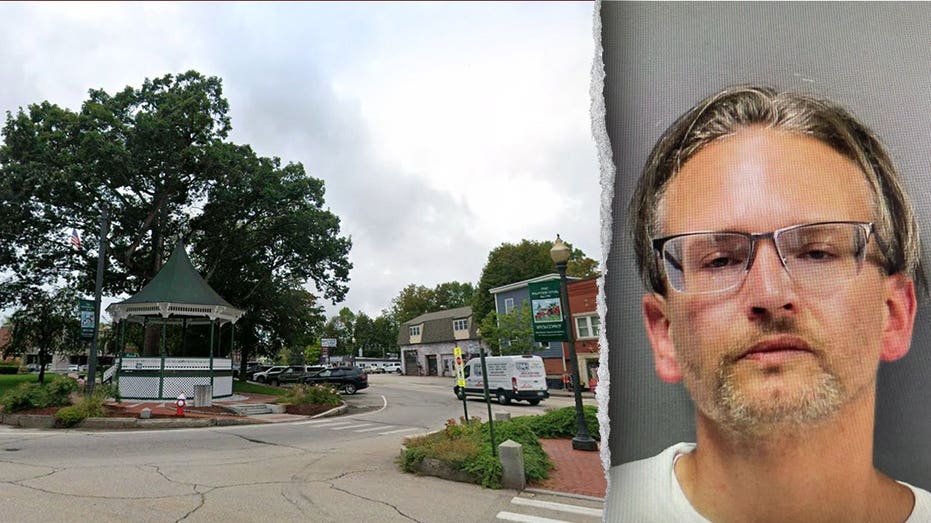

Douglas Herlihy pleaded guilty to manslaughter in the 2003 killing of his father in Milford, New Hampshire. The case remained unresolved for more than two decades before investigators connected Herlihy to evidence from the home. He faces 12 to 24 years in New Hampshire State Prison under a plea agreement. A sentencing hearing is expected in early 2027.
| Article Subheadings | |
|---|---|
| 1) | The 2003 discovery in Milford |
| 2) | Evidence found inside and outside the home |
| 3) | A later statement draws renewed attention |
| 4) | Arrest, extradition and plea agreement |
| 5) | Officials emphasize continued cold-case work |
The 2003 discovery in Milford
Paul Herlihy, 50, was found dead at his Milford home on August 27, 2003, after a relative requested a welfare check. Officers entered through a window and reported hundreds of flies and a strong odor of decomposition. His body was on the kitchen floor, wrapped in carpet and covered with a blue tarp.
An autopsy classified the death as a homicide caused by blunt-force trauma sustained within the previous four days. Investigators said the victim had injuries to his nose and jaw, skull fractures and damage to his voice box. They concluded that repeated blows to the head caused his death. No killer was identified at the time.
Evidence found inside and outside the home
Investigators documented blood spatter on the kitchen cabinets, refrigerator, walls and ceiling. In the backyard, directly outside the bedroom window associated with Douglas Herlihy, police found carpet and carpet padding with blood stains. The bedroom window was open when officers examined the property.
DNA testing later indicated that the blood on the carpet and padding could have belonged to Paul Herlihy. Inside the bedroom, a towel covered a closet door. After it was removed, investigators saw a large handwritten message stating, “I WILL SEE YOU IN HELL.” The evidence became part of the investigation that eventually focused on the victim’s son.
A later statement draws renewed attention
The father and son had a turbulent relationship that included prior violence and contact with law enforcement. After Paul Herlihy’s death, Douglas Herlihy had additional encounters with police involving drugs and a stolen vehicle. In 2010, when investigators questioned him about his father’s death, he referred them to his attorney and continued to deny involvement to family members, according to court records.
A statement made after a 2020 arrest brought new attention to the case. Herlihy told an officer that authorities would dismiss the charges against him, then added:
“That’s what I do. I beat cases. I beat my first body when I was 17!”
The officer said he understood the remark as a possible admission that Herlihy had killed someone in the past. Herlihy was 17 when his father died in 2003.
Arrest, extradition and plea agreement
After investigators developed the case, an arrest warrant was issued in June 2025. Herlihy was arrested in Saugus, Massachusetts, and extradited to New Hampshire. He was initially charged with two counts of second-degree murder and one count of falsifying physical evidence.
The case was resolved through a plea agreement. Herlihy pleaded guilty to manslaughter and accepted a sentence range of 12 to 24 years in state prison. The agreement also suspends for 20 years a possible sentence of three and a half to seven years for attempting to falsify evidence. The court is expected to schedule sentencing for early 2027.
Officials emphasize continued cold-case work
John M. Formella, New Hampshire’s attorney general, said the case demonstrates that investigators can continue pursuing accountability long after a crime occurs. He credited the state’s Cold Case Unit, law enforcement partners, investigators and prosecutors for following the evidence over many years.
“The pursuit of justice does not end with the passage of time,” Formella said.
The Herlihy family told the state Department of Justice Cold Case Unit that it wished to maintain its privacy and would not comment publicly. Herlihy’s attorney was not immediately available for comment.
| Number | Key Point |
|---|---|
| 1 | Paul Herlihy was found dead in Milford on August 27, 2003. |
| 2 | Investigators documented blunt-force injuries and blood evidence in the home. |
| 3 | A 2020 statement helped draw renewed attention to the investigation. |
| 4 | Herlihy was arrested in Massachusetts after a 2025 warrant and extradited to New Hampshire. |
| 5 | He pleaded guilty to manslaughter and faces 12 to 24 years in prison. |
Summary
The guilty plea closes the criminal case against Douglas Herlihy in the killing of his father, but sentencing remains pending. Evidence preserved from the Milford home, later DNA testing and statements made years after the death helped investigators advance the cold case. The case also underscores the continuing role of specialized investigators in reviewing unresolved homicides.
Frequently Asked Questions
When was Paul Herlihy killed?
Paul Herlihy was found dead on August 27, 2003. The medical examiner determined that the fatal injuries occurred within the preceding four days.
What did Douglas Herlihy plead guilty to?
He pleaded guilty to manslaughter under an agreement that calls for 12 to 24 years in New Hampshire State Prison.
Where was Herlihy arrested?
He was arrested in Saugus, Massachusetts, after a New Hampshire arrest warrant was issued in June 2025. He was later extradited to New Hampshire.
When will sentencing take place?
A sentencing hearing is expected to be scheduled for a date in early 2027.
